







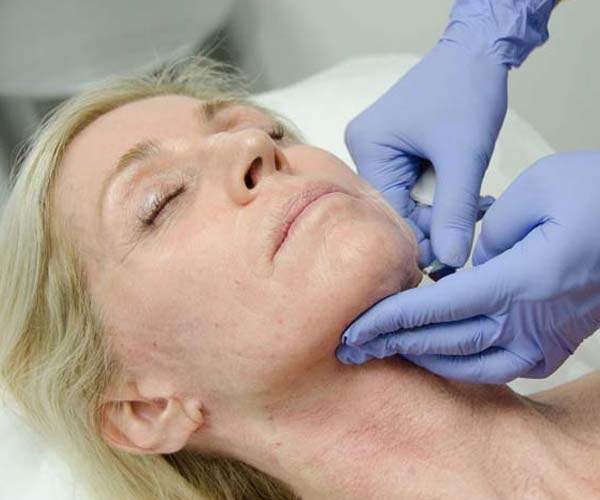
PDO thread lift cost is the first question almost every patient asks — and the hardest one to answer with a single number. A thread lift is a minimally invasive alternative to surgical lifting that uses dissolvable polydioxanone (PDO) sutures to reposition sagging tissue while stimulating the body’s own collagen production. Because it requires no general anesthesia, no large incisions, and very little downtime, it has earned the nickname “lunchtime facelift.” But the price ranges widely depending on where you’re treated, how many threads you need, and who is holding the needle.
This guide breaks down typical thread lift cost by treatment area — brow, nose, midface, jawline, neck, and full face — along with the factors that drive pricing up or down, how threads compare to fillers and to a surgical facelift, and why the annual cost of maintaining results matters more than the sticker price on day one.
How Much Does a PDO Thread Lift Cost? The Short Answer
Across treatment areas, PDO thread lift pricing commonly falls somewhere between roughly $1,000 and $4,000 per procedure, with small, highly localized treatments coming in well below that and full-face work sitting at or above the top of it. A very simple, single-area procedure can cost as little as a few hundred dollars.
That spread isn’t sloppy pricing. It reflects real differences in the amount of suture material used, the technique required, the provider’s training, and the market. Any practice quoting you a firm price before examining your anatomy is guessing.
One thing worth understanding up front: the quoted price is usually a bundle, not a line item for threads. Most practices fold the initial consultation, treatment planning, the PDO threads themselves, numbing agents, aftercare instructions, and follow-up visits into the total. Some include minor touch-ups. Additional or combination treatments — filler, for instance — are typically priced on top.
Thread Lift Cost by Treatment Area
Threads are priced by the work required, and the work is driven largely by the size and complexity of the area being lifted. Here’s how the common treatment zones compare.
PDO Thread Brow Lift Cost
The brow is the most commonly requested thread lift area and the best-documented on price. The average cost of a PDO thread brow lift ranges from about $1,000 to more than $4,000, with most patients landing in the $2,000 to $3,000 range. Very straightforward procedures can come in under $1,000.
A brow lift uses threads inserted beneath the skin to lift and reposition the brow, opening the eye area and softening a heavy or hooded look. The procedure is performed in an office setting and usually takes under an hour, with no general anesthesia and no meaningful downtime. Where a patient falls in the range depends mostly on how much lift is desired and how many threads it takes to get there.
Nose Thread Lift Cost
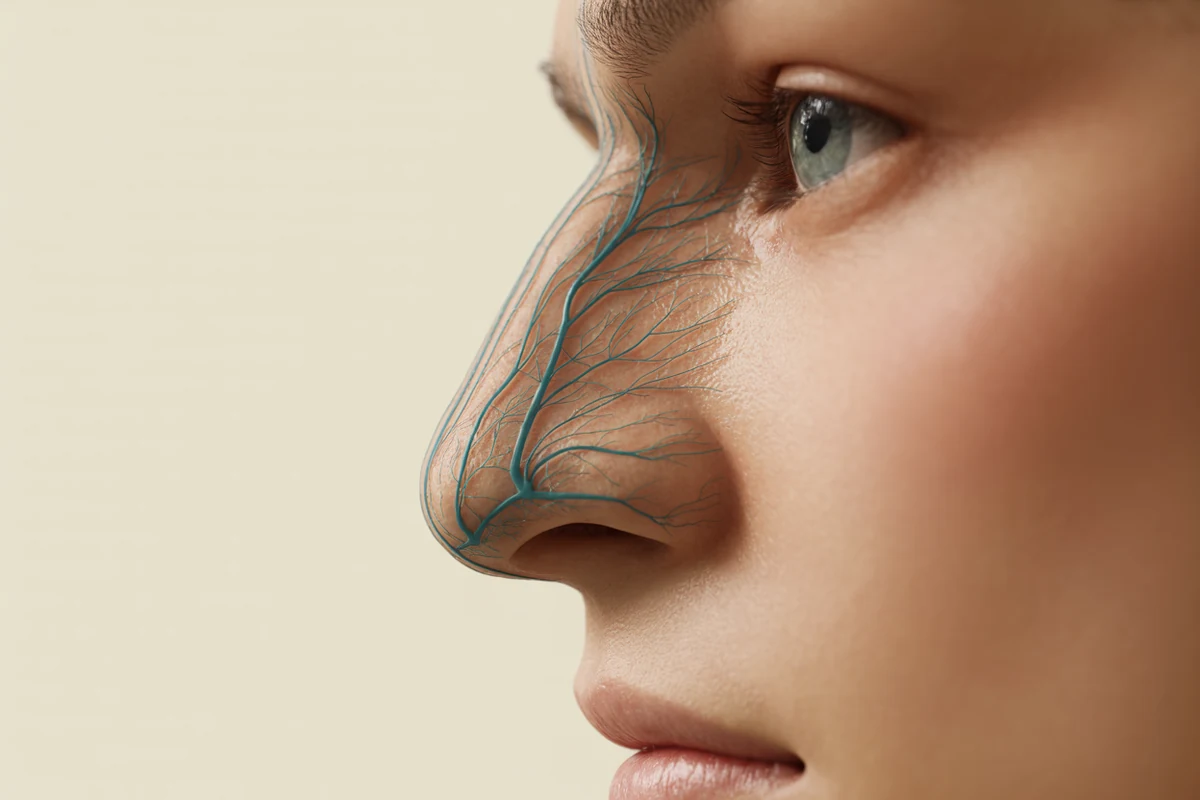
A nose thread lift — sometimes performed as a HIKO nose thread lift, though other techniques exist — uses dissolvable sutures to temporarily lift the nasal tip or define the bridge. It’s a nonsurgical alternative to rhinoplasty, and it may hold longer than hyaluronic acid filler used for the same purpose.
Nose thread lift cost is generally the most accessible of any area. A simple nose thread lift can cost as little as $200, though higher figures are more typical in practice. Cost drivers specific to the nose include:
- Procedure type. The technique determines both how much suture material is needed and what type of thread is used. Ask your provider which approach they’re using and why.
- Extent of the treated area. A procedure spanning from the bridge to the tip uses considerably more threads than a localized tip lift.
- Your nasal anatomy. Soft tissue positioning, cartilage, and overall nose length and width all affect the plan — and the price.
- Whether filler is added. Nose fillers used to smooth irregularities or add volume carry a separate cost.
- Who performs it. A board-certified plastic surgeon or dermatologist will typically charge more.
An important caveat: a nose thread lift does not alter nasal structure the way rhinoplasty does, and results are typically measured in months rather than years. That’s a legitimate trade-off for many patients — but it’s a trade-off, not a loophole.
Midface and Cheek Thread Lift Cost
Midface and cheek lifting addresses descent of the malar fat pad and the nasolabial heaviness that comes with it. Because the midface is a larger area than the brow and typically requires longer thread vectors and a greater number of threads, pricing generally sits at or above the upper portion of the brow range. Providers commonly recommend pairing threads with volume restoration here, since lifting sagging tissue and replacing lost volume are two different problems.
Jawline and Jowl Thread Lift Cost
Jawline and jowl treatment is one of the most popular thread indications, and it is thread-count driven. Defining a jawline usually means placing threads bilaterally along multiple vectors, so cost scales accordingly — expect quotes in the mid-to-upper end of the typical thread lift range, and higher if the treatment extends into the submental area.
Neck Thread Lift Cost
Neck lifting with threads is generally the most thread-intensive single-area treatment, because the area is large and skin laxity there tends to be more advanced by the time patients seek treatment. It also tends to be the area where thread lifts are most likely to underdeliver relative to patient expectation — significant laxity is a surgical problem, not a suture problem. An honest consultation matters more here than a competitive quote.
Full-Face Thread Lift Cost
A full-face thread lift combines several of the above zones in a single session. Because pricing follows the number of threads used, a multi-zone treatment sits at the top of the range and can exceed $4,000 — still a fraction of surgical alternatives. Some practices bundle multi-area work into discounted aesthetic packages, which is worth asking about if you’re treating more than one zone.
What Actually Drives Thread Lift Prices
If you’ve gotten wildly different quotes from two practices in the same city, here’s why.
Number of Threads
This is the single biggest lever. More area, more lift, more threads — and thread count moves the price more than almost anything else. It’s also why the same procedure name can carry very different price tags for two patients.
Thread Type and Material
PDO is the most widely used material and dissolves over roughly six months while the collagen framework it stimulates persists. Barbed or cogged threads — which grip tissue to produce lift — cost more than smooth mono threads, which are used mainly to stimulate collagen rather than reposition tissue. Longer-lasting materials such as PLLA (poly-L-lactic acid) and PCL (polycaprolactone) sit at a higher price point than PDO but are engineered to persist longer, which changes the cost-over-time math. Ask which material you’re getting; “thread lift” is a category, not a product.
Provider Expertise and Credentials
Providers who have completed comprehensive thread lift training tend to charge more, and the difference is visible in the results. Choosing an inexperienced injector purely because they’re cheaper is the most reliable way to end up with side effects, a poor outcome, and a correction bill. Cost is a legitimate factor — but skill, technique, and experience should carry more weight. For more on credentialing and scope, see our guide on who can perform thread lifts.
Geography and Practice Type
Practices in major metropolitan areas often charge higher fees, driven by overhead and demand. The same procedure can differ by a four-figure margin between markets.
Whether Filler Is Combined
Providers frequently recommend complementing a thread lift with hyaluronic acid filler, because threads lift and fillers restore volume — different tools for different problems. Adding filler can increase the total by a few hundred dollars, potentially shifting a $2,000–$3,000 brow procedure into the $2,500–$3,500 range. Fillers themselves commonly run roughly $300 to $1,000 per syringe depending on formulation and provider; our dermal filler price list breaks that down further.
Cost Over Time: The Number That Actually Matters
Thread lifts are temporary. Any honest cost conversation is therefore an annual-cost conversation, not a one-time-price conversation.
Ready to put this into practice?
Explore Empire's hands-on, CME-accredited Aesthetic & Injectable Training courses — live patients, expert faculty, and ongoing mentorship.
PDO thread results typically last around 12 months or longer, meaningfully outlasting dermal filler in the same area, which can fade in as little as three to six months. Nose thread lift results are generally shorter — often a matter of months. If maintaining an outcome means repeating a $2,500 procedure annually, the real question is whether that recurring cost fits your budget indefinitely, not whether you can afford it once. For a fuller picture of durability by area and thread type, see our guide on how long a thread lift lasts.
The offsetting factor is real, though: threads stimulate collagen, and that collagen framework can help maintain some improvement beyond the life of the threads themselves.
Thread Lift vs. Surgical Facelift: The Cost Comparison
A thread lift costs a fraction of a facelift with similar objectives — but the comparison is more nuanced than the headline numbers suggest.
A plastic surgeon’s fee for a facelift alone commonly runs $10,000 or more. That’s only the beginning. The total also includes:
- Anesthesia medication
- The anesthesia team’s fee
- Pre-surgical preparation fees
- Operating suite or hospital fees
- Overnight hospital care, if required
Stacked together, these can double or triple the surgeon’s fee, putting realistic totals in the range of $20,000 to $30,000 or more.
There are indirect costs too. Surgical recovery takes weeks away from normal activity; most thread lift patients return to their routine within a few days. That difference shows up as missed work and childcare expense.
The honest counterweight: facelift results are far longer-lasting — effectively permanent by comparison. A patient who doesn’t want to repeat a lift every year or two may find surgery the better value over a decade, even at ten times the upfront price. Threads make the most sense for mild-to-moderate laxity in patients who want visible improvement without surgery and are comfortable with maintenance.
Financing, Packages, and Saving Money Safely
Many aesthetic practices offer low- or no-cost financing that spreads treatment costs over months or years. Six- and twelve-month no-interest terms aren’t unusual; pay the balance in full within the promotional window and you owe nothing beyond the original price. Multi-treatment discount packages are also common.
What we’d caution against is medical tourism. Thread lift costs aren’t overwhelming to begin with — certainly not compared to surgery — and any savings tend to be eaten by airfare and lodging. More importantly, procedure quality and complication management are genuine concerns. U.S. patients are accustomed to high standards of care and tight regulation, and those don’t apply uniformly abroad. Excellent practitioners exist everywhere, but there’s no guarantee of the training standard you should expect at home — and if something goes wrong, you’ll be on a different continent from the person who did it.
Side Effects and the Hidden Cost of a Bad Outcome
PDO thread lift side effects tend to be mild and temporary:
- Light bruising
- Minor swelling
- Temporary redness and itching
- Visible threads under the skin
Contact your provider immediately for signs of anything more serious — bleeding, infection, or major swelling. Our guide on pain after a thread lift covers what’s normal and what isn’t.
This connects directly back to price. Correcting an under-trained provider’s work — thread extrusion, visible threads, asymmetry, dimpling — costs money the original quote never mentioned. Even minimally invasive procedures like thread lifts are best performed by a board-certified medical professional with extensive, hands-on thread training.
Frequently Asked Questions
How much does a PDO thread lift cost?
Most PDO thread lift procedures fall in the range of roughly $1,000 to $4,000, with brow lifts commonly averaging $2,000 to $3,000. Simple, localized procedures can cost several hundred dollars, while full-face work can exceed the top of the range. Your quote depends on the area, thread count, thread type, provider, and market.
Is a thread lift cheaper than a facelift?
Substantially, yes — upfront. A facelift surgeon’s fee alone commonly starts at $10,000, and with anesthesia, facility, and prep fees, totals of $20,000 to $30,000 or more are realistic. Over a decade, though, repeated thread maintenance narrows the gap, and facelift results last far longer.
How much is a nose thread lift?
A simple nose thread lift can start as low as about $200, though most patients pay more. Cost rises with the extent of treatment — a bridge-to-tip lift uses far more threads than a tip-only procedure — and with the addition of nose filler.
Does insurance cover thread lifts?
No. Thread lifts are elective cosmetic procedures and are not covered by health insurance. Practice-offered financing plans are the usual alternative to paying out of pocket.
How many threads do I need?
There’s no standard number — it depends on the area treated, your degree of laxity, your anatomy, and how much lift you want. A qualified provider determines thread count during an in-person assessment, and because thread count is the main price driver, that assessment is also when you get a real quote.
Why do thread lift prices vary so much?
Five reasons, roughly in order of impact: how many threads are used, what type of thread (barbed versus smooth, PDO versus PLLA or PCL), the provider’s training and experience, geography and practice overhead, and whether filler or other treatments are combined into the same session.
How often do you need to repeat a thread lift?
PDO thread results generally last around 12 months or longer, so annual or biannual re-treatment is typical for patients maintaining a result. Nose thread lifts tend to be shorter-lived. Think in terms of annual cost: a $2,500 procedure repeated yearly is a $2,500-per-year commitment, and that’s the number to weigh against surgery.
Train to Perform Thread Lifts the Right Way
For aesthetic professionals, everything above adds up to one point: thread lift pricing tracks expertise, and expertise is trainable. Patients pay more for providers who understand facial anatomy, thread selection, vector planning, insertion depth, and complication management — and they should.
Empire Medical Training has trained healthcare professionals in aesthetic medicine since 1998. Our PDO Thread Lift Training course is CME-accredited and hands-on, covering thread types, vector design, and live technique under expert supervision. Because the difference between a $1,000 quote and a $4,000 quote isn’t the threads — it’s the person placing them.


 Claim Your Prize!