The Complete Peptide Therapy Certification
From Clinical Foundation to Advanced Application
Your patients are already asking for peptides. Become the clinician who can say yes — safely, legally and profitably. Two certification paths, from $2,999.
Watch how the program works




Developed by Empire with board-certified physicians trained at
- Mayo Clinic
- Northwestern
- Rush University
- UCLA
- Mount Sinai
- University of Florida

Empire Medical Training’s Peptide Therapy Certification Program is designed for healthcare practitioners who want more than a basic introduction to peptides. Developed for physicians, nurses, physician assistants, pharmacists, and, where applicable, dentists, the program provides a structured pathway from the foundations of peptide science to advanced clinical application, regulatory understanding, and practice implementation.
Whether you are entering peptide medicine for the first time or are an experienced functional, integrative, regenerative, or longevity practitioner, the curriculum teaches you to think clinically — patient first, peptide second — with the documentation of medical necessity behind every protocol, business training from successful practice owners, and healthcare-law education from a board-certified healthcare law firm. The most comprehensive peptide certification available to clinicians, from the company that has trained medical professionals since 1998.
One program. Three essential disciplines.
We don’t just teach you about peptides. We teach you the medicine, the regulatory environment, and how to build the service.
The demand for peptide therapy is already in your practice.
Patients ask for peptides by name. Most clinicians still have to refer them out.

- Semaglutide
- Tirzepatide
- Retatrutide
Weight and metabolic health
GLP-1 drugs made peptides a household word. Patients now arrive asking for them.

- MOTS-c
- Epitalon
- SS-31
Longevity and recovery
Longevity went from fringe to front page. Every patient over 40 wants a plan for aging well.

- GHK-Cu
- TB-500
- PT-141
Skin, hair and sexual health
Aesthetic patients ask about peptides before anyone else — and they are already in your chair.
You can answer those questions yourself, or send the patient somewhere that will.
Who the certification is for
The program is open to licensed healthcare professionals. It starts at peptide foundations, so you do not need prior peptide experience — and it goes deep enough that clinicians already prescribing use it to formalize what they built in practice.
Physicians
MD and DO. The full curriculum carries 40 AMA PRA Category 1 Credits™, and the case series and final exam are built around real prescribing decisions.
Nurse practitioners & physician assistants
Protocol selection, dosing and monitoring taught to the standard you are held to, with scope and delegation covered in the healthcare-law module.
Registered nurses
The science behind what you administer, the monitoring that catches problems early, and the documentation standard that protects the practice.
Pharmacists & compounding professionals
503A and 503B compounding, sourcing and Certificates of Analysis, and the clinical medicine behind the prescriptions you fill. See the pharmacist track →
Dentists
Where your state scope permits. Repair, inflammation and pain-adjacent protocols are the areas most relevant to dental practice.
Practice owners
Modules 11 and 12 are the business and legal build: clinic economics, package pricing, pharmacy partnership, entity structure and compliance.
Also open to other licensed clinicians. If you are unsure whether your license qualifies, call 844.997.3231 and we will tell you before you enroll.
How peptide certification works
Start online the day you enroll. Take the courses live — in person or by livestream. Pass the assessments. Certify.
1. Choose your program
The Peptide Practitioner Certification (PPC) is available today. The Master Peptide Practitioner Certification (MPPC) goes considerably deeper — the full curriculum, taught by 12 instructors.
Compare the paths2. Start online the same day
Your video curriculum unlocks the moment you enroll. Begin that evening if you want to — it is entirely self-paced, so you can work through it around clinic hours before any date is in your calendar.
3. Attend live — your choice how
The courses inside your certification are taught live. Join in person in the city that suits your schedule, or by livestream with live Q&A. Same faculty, same material, whichever you pick.
See upcoming dates4. Pass, then certify
Every lesson ends in a quiz you must pass in the Empire Portal. The MPPC adds a 50-question final exam and five documented patient cases reviewed by faculty. Certification is earned, not granted for attendance — and it is yours for life.
See what each program requiresWe talk peptides every month.
The Peptides Podcast and our free Peptides 101 series — Empire faculty on the science, the regulation and the practice.
Trending peptide topics, unpacked free for the public — a new conversation every month.
Our free intro series for the public — what peptides are, whether they are safe, and the FDA story. The certification picks up where these leave off.
Created by Empire Medical Training. Taught by world-class faculty.
Every module is built to Empire’s standard in tandem with board-certified physicians and advanced practice clinicians who prescribe these treatments themselves.
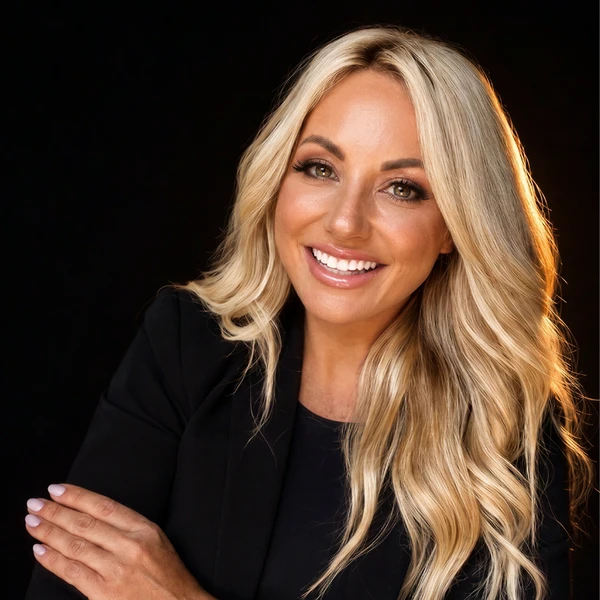
Dr. Joseph B. Beavers, MD
- Board-Certified, Family Medicine
- Residency, Mayo Clinic — Rochester
- 20+ Years in Clinical Practice
Dr. Beavers is the senior instructor of Empire's multi-part peptide video curriculum — the detailed, module-by-module foundation that anchors the PPC certification program. He earned his medical degree at Ross University School of Medicine and completed his Family Medicine residency at the Mayo Clinic in Rochester, Minnesota.
Before medicine, he trained at the United States Air Force Academy and the University of Florida, where he earned both a BS and an MS in Applied Physiology — a background that still shapes how he teaches peptide science: physiology first, protocols second. He brings more than 20 years of clinical experience to the program. Full faculty profile →
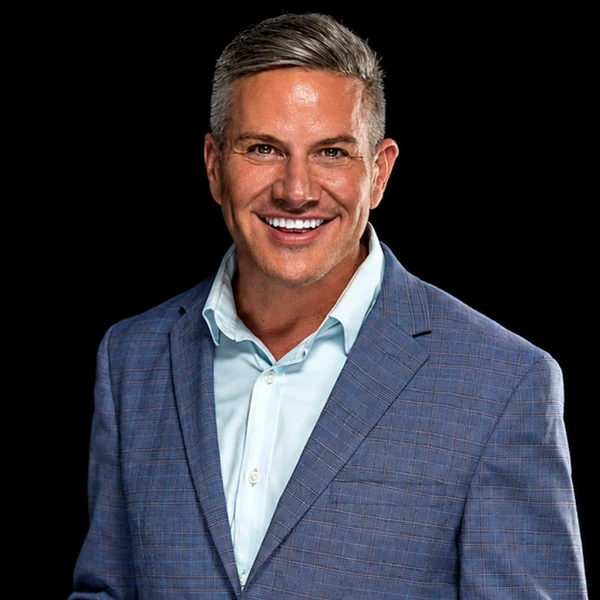
Dr. Valerie F. Civelli, MD
- Board-Certified, Family Medicine (ABFM)
- Board-Certified, Functional & Regenerative Medicine (ABAARM)
- Chief Resident, UCLA-Affiliated Residency
Dr. Civelli is double board-certified — in Family Medicine through the American Board of Family Medicine, and in Functional & Regenerative Medicine through ABAARM. She earned her MD at Windsor University School of Medicine and completed her Family Medicine residency at UCLA-affiliated Rio Bravo, where she served as Chief Resident.
Her research on chronic disease and innovative therapies has been published in peer-reviewed journals including Oxford University Press and the Journal of Investigative Medicine. She has served on multiple executive health and community boards, and her honors include being twice named "Outstanding Physician of the Year" and receiving the Hans Einstein Award. A physician, educator, and researcher, she bridges conventional medical rigor and innovation — with a mission to educate and empower clinicians through personalized, scientifically sound care.
Dr. Chris Croley, MD
- Board-Certified, Anesthesiology
- Board-Certified, Critical Care Medicine
- 20+ Years of Clinical Experience
As Chief Medical Officer of Empire Medical Training, Dr. Croley oversees the medical standards behind every Empire program — including this certification. He is board-certified in Anesthesiology and Critical Care Medicine, trained at Rush and Northwestern, with more than 20 years of clinical experience.
His role in the certification program is the standard itself: ensuring the curriculum, assessments, and clinical protocols meet the bar Empire has held its training to since 1998. Full faculty profile →
Dr. Betsy Greenleaf, DO
- Board-Certified, Obstetrics & Gynecology
- Board-Certified, Urogynecology
- Two Decades in Women’s Health
Dr. Greenleaf is Empire’s Director of Anti-Aging and the first board-certified female urogynecologist in the United States. She teaches Empire’s hormone pellet therapy and medical weight loss programs — the two areas where clinicians most often meet peptides first.
That work maps directly onto this curriculum: the metabolic and weight-management module, the hormone–peptide interface, and the longevity protocols where hormones and peptides have to be coordinated rather than stacked blindly. Full faculty profile →
Dr. Stephen Cosentino, DO
- Board-Certified, Family Medicine
- Founder of Empire Medical Training, 1998
- 22+ Years in Aesthetic Medicine
Dr. Cosentino founded Empire Medical Training in 1998 and remains actively involved in this program: he created a good portion of its content and curriculum and maintains hands-on clinical oversight of what it teaches. He earned his Doctor of Osteopathic Medicine at Nova Southeastern University and completed his Family Practice residency at Mt. Sinai in New York.
Every Empire credential carries his standard, and this one is no exception: he signs off on what the program claims, what it assesses, and what a graduate is entitled to say they can do. Full faculty profile →
Dr. Faride Ramos, MD
- Board-Certified, Internal Medicine
- Board-Certified, Functional Medicine (ABAARM, FAAMFM)
- Gut Health, Microbiome & Integrative Medicine
Dr. Ramos is double board-certified in Internal Medicine and Functional Medicine. She practiced internal medicine for several years after medical school before earning her functional medicine board certification, and today leads her own functional and integrative medicine clinic in South Florida.
Her work bridges conventional internal medicine with a root-cause, functional approach — the same framework she brings to Empire's curriculum, where she teaches the Functional Gut Health course and serves as medical reviewer for Empire's gut health and functional medicine guides. Full faculty profile →
Susan Omar, NP
- Nurse Practitioner, 7+ Years in Practice
- Advanced Training in Anti-Aging & Regenerative Medicine
- U.S. Army Veteran — 8 Years of Service
Susan Omar is a nurse practitioner with more than seven years of experience specializing in aesthetic and regenerative medicine, with advanced training across anti-aging, aesthetic and regenerative medicine, sexual health and wellness, and interventional pain management.
She serves as an educator for Empire Medical Training, where she trains and mentors other providers in advanced medical aesthetics, and practices at ELIVATE. She is a U.S. Army veteran with eight years of service.
Dr. Francisco Hernández Gómez Crespo, MD
- MD, MBA — Aesthetic & Regenerative Medicine
- Cadaver Anatomy & Ultrasound for Fillers, Universidad de Alcalá de Henares
- Research in Biostimulation & Biomimetic Peptides
Dr. Hernández is an aesthetic and regenerative medicine physician practicing in Mexico, where he founded Veyrith | Advanced Regenerative Aesthetics. His clinical work centers on advanced facial harmonization, rhinomodeling and non-surgical facial lifting, and he has developed his own protocols in facial harmonization and biorevitalization.
His research interests sit squarely in this program’s territory: biostimulation and biomimetic peptides for evidence-based skin regeneration, alongside hyaluronic acid and growth-factor approaches. He completed cadaver anatomy and ultrasound training for filler materials at the Faculty of Medicine, Universidad de Alcalá de Henares, and speaks regularly at national and international aesthetic medicine congresses.
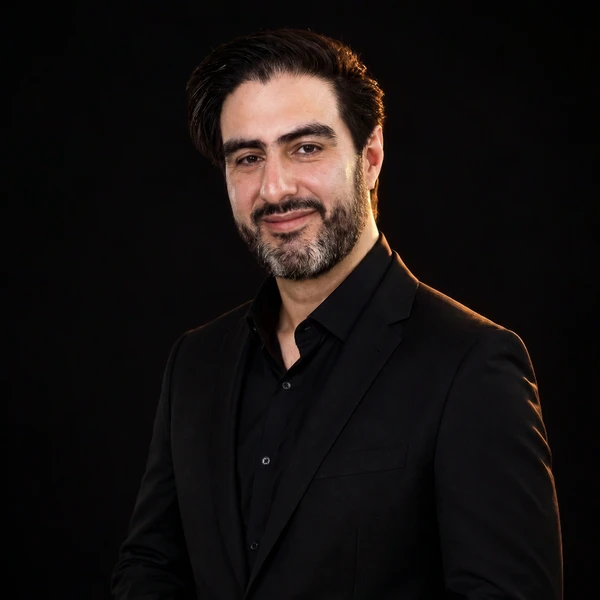
Dr. Gamil Makar, MD
- Board-Certified, Family Medicine
- Board-Certified, Aesthetic Medicine
- In Practice Since 2009
Dr. Makar is board certified in Family Medicine along with several additional boards including Aesthetic Medicine. He entered the aesthetic field in 2009 — initially including liposuction and fat transfer — and has focused exclusively on non-invasive aesthetics since 2019.
He currently practices out of two offices in Clifton and Paterson, New Jersey. Full faculty profile →
Dra. Julieth Martínez Ocampo
- International Master’s in Aesthetic Medicine, College of Catalonia
- Master’s in Aesthetic Medicine, Nutrition & Clinic Management (CTO)
- Permanent Lecturer, ACICME Colombia
Dra. Martínez Ocampo is an aesthetic physician with extensive academic and clinical experience across aesthetic medicine, nutrition, and clinic management. She holds an International Master’s Degree in Aesthetic Medicine from the College of Catalonia and a Master’s from CTO and the Colombian Medical Federation, plus a Diploma in Epidemiology from Universidad del Rosario.
She is a permanent lecturer at the annual courses of the Colombian Scientific Association of Aesthetic Medicine (ACICME), and her practice emphasizes research and clinical study alongside patient care. Full faculty profile →
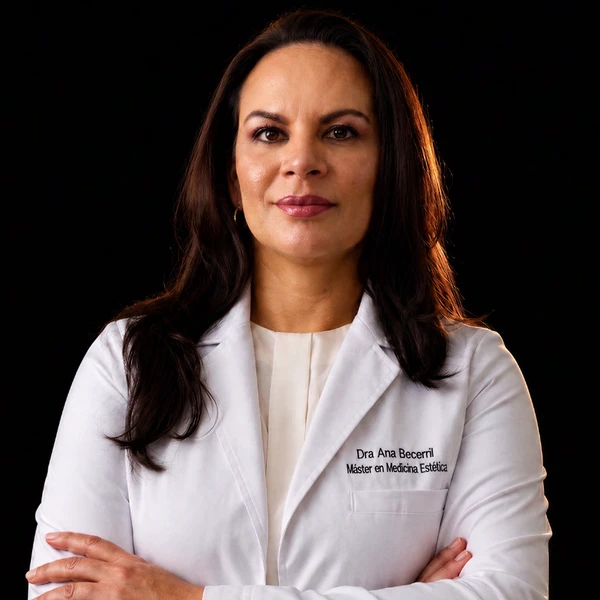
Dr. Ana Cecilia Becerril
- Master’s in Aesthetic Medicine, UIB — Palma de Mallorca
- Master’s in Aesthetic & Longevity Medicine, Mexico
- President, Asociación de Medicina Estética, Longevidad y Cosmética Clínica
Dr. Becerril holds a Medical Degree from the Universidad del Estado de Morelos, Mexico, a Master’s in Aesthetic Medicine from UIB in Palma de Mallorca, Spain, and a Master’s in Aesthetic and Longevity Medicine in Mexico.
She serves as President of the Asociación de Medicina Estética, Longevidad y Cosmética Clínica and Academic Director of its Advanced Diploma Program. A certified member of AMWC and the Sociedad Española de Medicina Estética, she is also a certified instructor with the Sociedad Médica Mexicana de Terapia Celular. Full faculty profile →
Choose your peptide certification path
The PPC is our two flagship courses. The MPPC adds the full curriculum, taught by 12 instructors instead of 2. Start the PPC today; the MPPC founding cohort is open now — full launch December 1.
Peptide Practitioner Certification (PPC)
$3,999$2,999
Available now · save $1,000 Or split it into easy monthly payments with — start now, pay over time iSubject to an eligibility check and approval. Payment options depend on your purchase amount, and a down payment may be required. Rates range from 0–36% APR. Payment options through Affirm are provided by these lending partners: affirm.com/lenders.
- 15+ hours · 18 lessons
2 live workshops
Two days — the Peptide Therapy Master Course and Peptides in Clinical Practice — taught live by Empire faculty across multiple cities and dates. Attend both in person, or by livestream with live Q&A, and begin with either course. Both certification programs include these two workshops.
Course 1: Peptide Therapy Master Course
9 lessons: GLP-1 agonists, growth-hormone secretagogues, repair peptides, hair restoration, clinical operations and compliant practice integration. Learn more about this course →
Course 2: Peptides in Clinical Practice
9 lessons: reconstitution and dosing demonstrations, sourcing and pharmacy law, screening, protocols and practice integration. Learn more about this course →
In person or livestream — your choice
Both courses run in person and by livestream with live Q&A — same course, same content, same price. Choose whatever is more convenient. Start right away on livestream, or wait for an in-person date near you. The video lessons still unlock the day you enroll.
A knowledge-based quiz after every lesson
Each of the 18 lessons ends in a quiz you must pass in the Empire Portal before moving on. No final exam or case series in this program.
Earn 3 credentials in total
A Certificate of Achievement for each of the two courses, plus the PPC certification itself — yours for life. Annual Recertification adds new educational content (on-demand video, resources and virtual training) and proficiency testing each year as agents and regulations change, so the material you hold keeps pace with the field. Earned by passing every lesson quiz, not granted for attendance.
Term: Lifetime
A lifetime credential that never goes stale. The $249-a-year Annual Recertification updates your course material every year — new training videos and new tests covering new agents, new regulatory positions and new safety findings — so you are always up to date and always protected with must-have education. Your status stays current, with no re-examination and no expiration date.
Master Peptide Practitioner Certification (MPPC)
$5,495$4,995
Pre-enroll now · save $500 · immediate early access to the video curriculum · full launch December 1 Or split it into easy monthly payments with — start now, pay over time iSubject to an eligibility check and approval. Payment options depend on your purchase amount, and a down payment may be required. Rates range from 0–36% APR. Payment options through Affirm are provided by these lending partners: affirm.com/lenders.
- 40+ hours · 56 lessons
2 live workshops
Two days building peptide protocols and stacks alongside faculty, working through a printed protocol guide you keep. Attend both in person, or by livestream with live Q&A. Included in both certification programs, not an MPPC extra.
In person or livestream — your choice
Both workshops also run by livestream with live Q&A — attend in person or online, same content, same price, whichever is more convenient for you.
Everything the PPC covers, in more depth
You still attend both workshops and earn their certificates. Their material is then woven into the MPPC curriculum and taught further by the wider faculty. Beyond it you cover many more peptides, work through many more patient scenarios, and study case studies built for clinical application — so you are equipped for the full range of concerns patients bring you, not only the most common ones.
Modules 1–10 — the clinical curriculum
46 of the 56 lessons, taught live by faculty: 1. Foundations & Peptide Science. 2. Regulatory, Sourcing & Compounding Quality. 3. Metabolic Health & Weight Management. 4. Growth Hormone Axis, Anabolic & Performance. 5. Regenerative, Musculoskeletal & Organ Repair. 6. Immune, Gut & Inflammation. 7. Neurocognitive, Mood & Sleep. 8. Longevity, Mitochondrial & Senolytics. 9. Aesthetics, Skin, Hair & Sexual Health. 10. Clinical Practice, Safety & Integration. All 128 formulary agents are taught across these ten. See every lesson →
Module 11 — business & marketing
Five lessons only in the MPPC: clinic economics and profit per treatment, package and membership pricing, pharmacy partnership, and growth — funnels, retention and scale.
Module 12 — healthcare law
Five lessons taught with a board-certified healthcare law firm: legal structure and CPOM, establishing medical necessity and documenting it correctly, delegation and medical direction.
Full curriculum, taught live by faculty
All 12 modules and their 56 lessons, livestream with live Q&A — bring your own patient cases. Every peptide for aesthetics, functional medicine and pain management, with all 128 formulary agents taught in depth.
Faculty review of your own patient cases
5 documented cases from your own practice, with follow-up — you apply every protocol on real patients, with faculty reviewing your work, before you certify.
A knowledge-based quiz after every lesson, plus a final exam
Each of the 56 lessons ends in a quiz you must pass in the Empire Portal. The MPPC then closes with one comprehensive 50-question exam across the whole curriculum — the only program with a final exam.
Earn 3 credentials in total
A Certificate of Achievement for each of the two courses, plus the MPPC certification — yours for life. Annual Recertification adds new educational content (on-demand video, resources and virtual training) and proficiency testing each year as agents and regulations change, so the material you hold keeps pace with the field. The program’s highest credential, earned through the case series and the final exam, not granted for attendance.
Term: Lifetime
A lifetime credential that never goes stale. The $249-a-year Annual Recertification updates your course material every year — new training videos and new tests covering new agents, new regulatory positions and new safety findings — so you are always up to date and always protected with must-have education. Your status stays current, with no re-examination and no expiration date.
Please note: many agents studied in these programs are not FDA-approved for the uses described or are available only as compounded preparations; regulatory status changes over time. Course content, schedules, faculty, pricing and credit designations may change. Faculty statements are their own professional opinions. Certification certifies completion of an Empire educational program and is not a license or specialty board certification. See the Legal Disclaimer, Terms & Conditions and Privacy Statement.
There is no deadline on either program. The Master Practitioner credential is earned when your documented cases are complete and reviewed — if your patients take longer, so does your certification.
Everything in the certification, course by course and module by module
The MPPC is the two live courses plus twelve modules and 56 lessons. Every one of them is listed here. The PPC is the two live courses.
The pharmacology course. It works through the peptide classes one at a time — what each compound does, what the evidence actually supports, where it stands with the FDA, and which patient it suits.
-
Lesson 01
Peptide Foundations
What a peptide is biochemically, and how peptides differ from the small-molecule drugs and biologics you already prescribe. Peptides signal the body’s own systems rather than replacing a missing hormone or blocking a pathway — then pharmacokinetics, half-lives and why route of administration changes the outcome.
-
Lesson 02
GLP-1 Receptor Agonists
The most clinically validated peptides in the course, with phase 3 data in tens of thousands of patients. Five lessons on the incretin system, the STEP and SELECT trials, the SURMOUNT head-to-head data, and the part that actually decides outcomes — titration, expectation-setting and GI management.
Agents covered- Semaglutide
- Tirzepatide
-
Lesson 03
Growth Hormone Axis
Five compounds on one axis whose mechanisms, evidence and regulatory status diverge sharply. Explicitly not weight-loss drugs: the use case is body composition, recovery, sleep and connective tissue. Includes the PCAC decisions that removed the 503A pathway for several of them.
Agents covered- CJC-1295
- Tesamorelin
- Sermorelin
- Ipamorelin
- AOD-9604
-
Lesson 04
Repair Peptides
Three compounds at the opposite end of the evidence spectrum from Module 2 — strong mechanism and animal data, limited human RCTs, heavy patient demand, and a regulatory position changing month by month. The clinical work here is evidence honesty: what you can claim, and how to document it.
Agents covered- BPC-157
- TB-500
- KPV
-
Lesson 05
Rejuvenation & GHK-Cu
The module with something you can deploy the next morning. The topical GHK-Cu pathway is unambiguous and available now, while the injectable sits in the same regulatory transition as Module 4. Origin, mechanism, evidence and applications across skin, hair and wound healing, plus combination stacks.
Agents covered- GHK-Cu
-
Lesson 06
Longevity, Mitochondrial & Neuro
The widest compound list in the course, organized around four longevity targets. The work is evidence triage rather than depth — these range from FDA-approved to forty years of data from a single research group to animal studies alone. Matching compound to patient, and saying honestly what each one rests on.
Agents covered- Epithalon
- MOTS-c
- SS-31
- Humanin
- Thymosin Alpha-1
- DSIP
- Semax
- Selank
- PT-141
-
Lesson 07
Hair Restoration
The most procedurally hands-on module, and one of the cleanest from a 503A standpoint. Four modalities ranked by evidence tier — PRP is the foundation, with 43 RCTs in a 2025 meta-analysis — plus three combination protocols and a framework for matching protocol to patient, against the real limits of minoxidil and finasteride.
Agents covered- PRP
- GHK-Cu
- PDRN
- Exosomes
-
Lesson 08
Clinical Operations
Everything in the first seven modules only matters if chairside execution is right. Five lessons: reconstitution and storage — bacteriostatic water volumes, dilution math, vial handling, refrigeration — then injection technique, needle selection, subcutaneous versus intramuscular depth, lab monitoring, adverse events and patient management.
-
Lesson 09
Practice Integration
How the pharmacology becomes a working clinic. Pharmacy partnerships and selection, marketing standards and what you may and may not say to patients, five clinical scenarios with decision frameworks, and the business architecture underneath it all.








The execution course. Where the Master Course teaches the compounds, this one teaches the doing — reconstitution and dosing on camera, vetting a pharmacy, screening a candidate, and running the follow-up that keeps patients safe.
-
Lesson 01
Peptide Foundations & Nomenclature
What peptides are and how they signal: peptides versus biologics versus hormones, secretagogues and incretins, known versus uncharacterised receptor categories, the HPA axis, and pulsatile signalling.
Agents covered- GLP-1
- GIP
-
Lesson 02
Sourcing, Purity & Pharmacy Law
503A versus 503B compounding pharmacies, state-law considerations, cGMP labs and third-party testing, API supply chains, research-use-only labelling, and how to vet a vendor before you order.
-
Lesson 03
Reconstitution, Storage & Handling
Step-by-step on camera: mixing lyophilised peptides with bacteriostatic water, vial sizing, vacuum-seal checks, insulin-syringe dosing math, refrigeration and stability, and recognizing compromised product.
-
Lesson 04
Delivery Systems & Pharmacokinetics
Subcutaneous versus intramuscular injection, nasal, sublingual, oral and topical routes — first-pass metabolism, onset and duration, injection-site selection, and managing local site reactions.
-
Lesson 05
Growth-Hormone Secretagogues
Dosing and timing, expected flushing effects, fasted administration, stacking strategies, and the IGF-1 and glucose monitoring that should accompany them.
Agents covered- CJC-1295
- Ipamorelin
- Tesamorelin
- Sermorelin
- MK-677
-
Lesson 06
GLP-1 & Metabolic Peptides
Microdosing versus standard titration, managing nausea and energy dips, B-vitamin support, patient check-in cadence, and KPV for gut and inflammation support alongside metabolic therapy.
Agents covered- Semaglutide
- Tirzepatide
- Retatrutide
- KPV
-
Lesson 07
Repair, Recovery & Immune Peptides
Oral and injectable BPC-157 and TB-500 loading and maintenance protocols, the gut health and LPS/endotoxin connection, and immune resilience agents — with the labs that track each of them.
Agents covered- BPC-157
- TB-500
- Thymosin Alpha-1
- Thymulin
-
Lesson 08
Longevity, Cognition, Skin & Sexual Health
Epithalon cycling, mitochondrial support, nasal-spray protocols for the nootropic peptides, GHK-Cu for skin, and melanocortin dosing with the interaction screening it requires.
Agents covered- Epithalon
- NAD+
- MOTS-c
- SS-31
- Selank
- Semax
- GHK-Cu
- PT-141
- Melanotan
- Kisspeptin
-
Lesson 09
Screening, Protocols & Practice Integration
Candidate screening and contraindications, informed consent and non-FDA waivers, baseline and quarterly labs, stacking rules, side-effect management, program pricing and the high-touch follow-up model.









The core of the master credential: ten clinical modules, 46 lessons and the full 128-agent formulary, taught livestream by Empire faculty. Each card links to the lesson-by-lesson breakdown on the curriculum page.
-
Module 1 · 4 lessons
Foundations & Peptide Science
The pharmacologic bedrock every later module assumes: how peptides signal rather than replace, what determines a protocol's route and cadence, and how to judge whether a peptide's evidence base is a human trial or a rat study.
Agents include- Semaglutide
- Sermorelin
- CJC-1295
- BPC-157
- GHK-Cu
-
Module 2 · 4 lessons
Regulatory, Sourcing & Compounding Quality
Peptide regulation moved twice since 2023 and is still moving.
Agents include- BPC-157
- KPV
- TB-500 / Thymosin beta-4
- MOTS-c
- GHK-Cu
-
Module 3 · 5 lessons
Metabolic Health & Weight Management
The incretin class in full — approved branded products, compounded supply, and the investigational triple agonists — plus the operational reality of running a weight-management program.
Agents include- Semaglutide
- Tirzepatide
- Retatrutide
- Liraglutide
- Dulaglutide
-
Module 4 · 4 lessons
Growth Hormone Axis, Anabolic & Performance
The full secretagogue landscape — GHRH analogs, ghrelin-receptor agents, IGF-1 biology and the myostatin pathway — taught with per-agent regulatory status rather than class generalization.
Agents include- Sermorelin
-
Module 5 · 5 lessons
Regenerative, Musculoskeletal & Organ Repair
The repair cascade end to end: the core reparative peptides, the connective-tissue and bone agents, the organ-directed bioregulators, and the procedural modalities they are combined with.
Agents include- BPC-157
- TB-500 / Thymosin beta-4
-
Module 6 · 4 lessons
Immune, Gut & Inflammation
Immune modulation, barrier integrity and inflammation resolution as one connected system — including post-viral and autoimmune protocol design, and the non-peptide adjuncts clinicians actually combine with peptides.
Agents include- Thymosin alpha-1
- Thymalin
- Thymagen
- Thymulin
- Zinc thymulin
-
Module 7 · 4 lessons
Neurocognitive, Mood & Sleep
Neuropeptide pharmacology taught with blood-brain-barrier realism, psychiatric safety and sleep physiology — not as a nootropic catalog.
Agents include- Semax
- N-acetyl semax amidate
- Selank
- N-acetyl selank amidate
- Dihexa
-
Module 8 · 5 lessons
Longevity, Mitochondrial & Senolytics
The geroscience module: hallmarks of aging, mitochondrial-derived peptides, senolytics, the bioregulator literature, and the biological-age testing market — each taught with its evidence tier stated out loud.
Agents include- Epitalon / epithalamin
- Humanin
- FOXO4-DRI
- SS-31 / elamipretide
- L-carnosine
-
Module 9 · 5 lessons
Aesthetics, Skin, Hair & Sexual Health
Cosmeceutical peptide chemistry, injectable and procedural skin restoration, hair-restoration protocol design, and the sexual-health and reproductive interface — the aesthetic content taught by a company whose core business is hands-on aesthetic training.
Agents include- GHK-Cu
-
Module 10 · 6 lessons
Clinical Practice, Safety & Integration
The module that converts knowledge into a defensible practice: selection, monitoring, adverse events, deprescribing, special populations, consent, scope of practice, medicolegal risk and program economics.
Agents include- Semaglutide
- Tirzepatide
- Tesamorelin
- Sermorelin
- CJC-1295









Clinical training tells you how to prescribe; this tells you how to build a practice around it that is profitable, recurring and scalable. Empire has taught cash-practice economics for 28 years — this is that curriculum applied to peptides.
-
Lesson 01
Clinic Economics & Revenue Mix
What a peptide service line actually earns — and how to know before you invest a dollar.
-
Lesson 02
Package & Membership Design
Turn a recurring therapy into recurring revenue — with pricing patients actually stay in.
-
Lesson 03
Supply Chain & Pharmacy Partnership
Choose a pharmacy partner you can defend — clinically, financially and legally.
-
Lesson 04
Growth: Funnels, Retention & Scale
A patient pipeline you control — from first consult to second location.
-
Lesson 05
Marketing & Advertising a Peptide Practice
Fill your schedule without triggering platform bans or claims problems.





The legal layer no clinical course touches, taught with a healthcare law firm: how the practice is structured, documented and supervised so that every protocol you run is defensible.
-
Lesson 01
Prescribing & Compounding Law
Know exactly where every peptide you prescribe stands — before a regulator asks.
-
Lesson 02
Legal Structure, CPOM & Insurance
Set the practice up right the first time — entity, ownership and coverage.
-
Lesson 03
EMR, Consent & Intake Templates
The documentation layer most practices improvise — delivered as templates you adapt.
-
Lesson 04
Telehealth & Multi-State Practice
Treat patients wherever they are — without prescribing your way into another state's problem.
-
Lesson 05
Staff Training, Delegation & Medical Direction
Delegate safely, supervise correctly — and know what to do if a board ever calls.





Every named agent above has a clinical guide in the peptide formulary, where all 128 agents in the curriculum are listed with their current regulatory status.
Clinicians who trained with Empire
4.9★ Average Rating · 200,000+ Graduates · 300+ Verified ReviewsPhysicians, nurses and PAs on what changed in their practice — and their revenue — after training with us.

A Nurse’s Journey from Challenges to Triumph
Maritza Mejia

From Urology to Aesthetics: Artistic Evolution
Dr. Lanna Cheuk
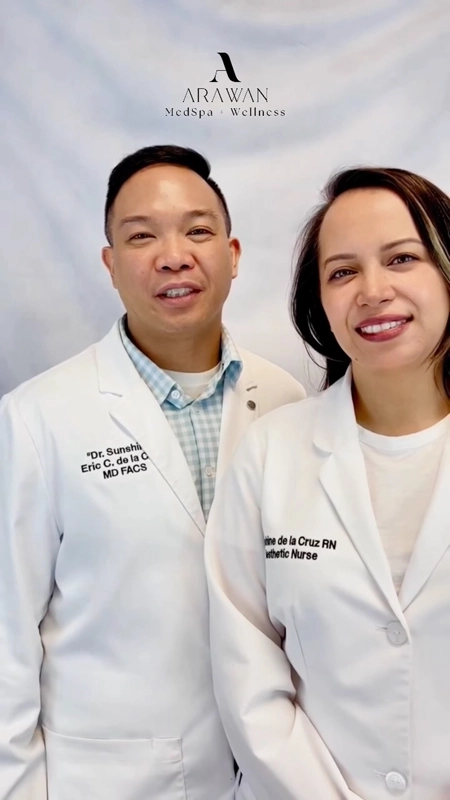
Partnering for Success: The Dynamic Journey of a Power Couple
Eric and Sunshine De La Cruz

Empowering Success: The Inspiring Journey of a Physician Assistant
Rupert Evans
Pioneering the Path from Doctor to Founder, CEO, CCO & Practice Owner
Sarah L. Allen, MD
Journey from Practitioners to Practice Owners
Chris Croley & Jerry Dwain

Remarkable Journey from Student to Key Opinion Leader
Dr. TJ Tsay
Compare the peptide certification courses
Every row is a real difference. If you want peptides as a core service line of your practice, the MPPC is the credential to hold.
| Compare | Single CoursePeptide Therapy Master Course | Certification ProgramPeptide Practitioner (PPC) | Certification ProgramMaster Peptide Practitioner (MPPC) |
|---|---|---|---|
| What you earn | 1 Certificate of Achievement a course certificate, not a certification | 2 Certificates of Achievement, one per course, plus the PPC certification | 2 Certificates of Achievement plus the MPPC certification the program’s highest credential |
| Certification term | — a course certificate, no term | Lifetime $249/yr Annual Recertification adds new educational content and proficiency testing each year | Lifetime $249/yr Annual Recertification adds new educational content and proficiency testing each year |
| Price | $1,799 monthly payments with Affirm | $2,999 was $3,999 · monthly payments with Affirm | $4,995 pre-enrollment, was $5,495 · monthly payments with Affirm |
| Hours of instruction | 7+ | 15+ | 30+ |
| AMA PRA Category 1 Credits™ | 7.5 | 16 | 40 |
| Who teaches it | 1 faculty member | 2 faculty members one lead faculty member per course | 12 instructors 11 Empire faculty, plus a law firm teaching the legal content |
| Total lessons | 9 all self-paced | 18 across the two courses, self-paced | 56 across 12 modules — 46 clinical lessons + 10 across business & marketing and healthcare law — this curriculum covers the same ground as the PPC and goes considerably deeper and wider |
| Peptide Therapy Master Course | Included | Included | Included |
| Peptides in Clinical Practice | — | Included | Included |
| The Business of Peptide Therapy Module 11 — 5 lessons | — | — | Included |
| Healthcare Law for Peptide Practice Module 12 — 5 lessons, taught with a law firm | — | — | Included |
| Full curriculum 12 modules — 10 clinical plus business & marketing and healthcare law — holding 56 lessons, taught livestream | — | — | Included |
| Live workshops | 1 live workshop the Peptide Therapy Master Course | 2 live workshops the Peptide Therapy Master Course + Peptides in Clinical Practice | 2 live workshops the two workshops both certification programs include |
| In person or livestream | Your choice — same price | Your choice — same price | Your choice — same price |
| Knowledge-based quiz after every lesson | Yes | Yes | Yes |
| 50-question final exam | — | — | Required |
| Documented patient cases | — | — | 5, reviewed by faculty |
| Typical time to complete self-paced — an estimate, not a deadline | One day | About a month | About three months |
| Availability | Available now | Available now | Pre-enrollment now · launches December 1 |
| Enroll | Enroll | Enroll | Pre-Enroll Now |
Learn how to make money with peptides
Other peptide courses stop at the prescription. The MPPC adds three things they skip — business (what it costs, what to charge), marketing (consult funnels, retention, reactivation) and legal (who may own the practice, medical-director duties, malpractice cover). 28 years of Empire cash-practice training, applied to peptides.
Calculate your profit per treatment
What a vial costs you, what to charge for it, and what you keep after staff and chair time.
Turn one-time buyers into monthly revenue
How to price packages and memberships so patients pay every month instead of once.
Set up the legal practice
Are peptides legal? Who can prescribe — and which peptides? How do you document medical necessity? Taught by a board-certified healthcare law firm — only with Empire.
Get the paperwork done for you
Intake, screening and consent forms written for peptide therapy — edit and use them.
Modules 11 and 12 of the MPPC curriculum — ten lessons across business & marketing and healthcare law, included in the Master Peptide Practitioner certification.
A credential that means something
Earned, current and verifiable — three things that make the Empire credential worth putting on the wall, on your website and next to your name.
Earned
You pass a quiz at every lesson to earn it. The Master Practitioner credential goes further — 5 of your own patient cases reviewed by faculty and a 50-question final exam. When you hold it, it is because you proved it.
Current
Your certification is yours for life, and Annual Recertification keeps it current each year. In a field where the rules moved twice in three years, your credential tells patients you are current — not certified once, years ago.
Verifiable
A digital badge for LinkedIn and your site links to a live verification record, and a public, patient-facing directory of Empire-certified peptide specialists — searchable by location — sends patients your way for as long as your credential is active.
The rules change. Your training shouldn’t go stale.
Peptide regulation moved twice in the last three years. Here is how your training stays current after you certify.

Annual Recertification
$249per year
- Maintains your eligibility and keeps your certification status current
- New educational content each year — on-demand video, resources and virtual training — plus annual proficiency testing
- Start each year knowing exactly what changed and what to do about it
- Retire protocols the evidence has moved past
- Hold a credential that reads current, not certified-in-2026
Optional, and added after you certify. It is not required to earn the Peptide Practitioner Certification (PPC) or the Master Peptide Practitioner Certification (MPPC).
The peptide therapy training curriculum: 12 modules, 56 lessons, 128 agents
Every agent you might prescribe — its mechanism, the strength of the evidence, and where the FDA stands — plus the business, marketing and legal training no other peptide program teaches.
The Ten Clinical & Patient-Care Modules
- Foundations & Peptide Science 4 Lessons
- Regulatory, Sourcing & Compounding Quality 4 Lessons
- Metabolic Health & Weight Management 5 Lessons
- Growth Hormone Axis, Anabolic & Performance 4 Lessons
- Regenerative, Musculoskeletal & Organ Repair 5 Lessons
- Immune, Gut & Inflammation 4 Lessons
- Neurocognitive, Mood & Sleep 4 Lessons
- Longevity, Mitochondrial & Senolytics 5 Lessons
- Aesthetics, Skin, Hair & Sexual Health 5 Lessons
- Clinical Practice, Safety & Integration 6 Lessons
The PPC covers the two flagship courses; the MPPC adds all 12 modules above, the case series and the exam.
 The Peptide Formulary
All 128 agents, each with its regulatory status
Look up any agent: what it does, which lessons cover it, where the FDA stands. A few of them:
Status tags describe an agent’s regulatory posture — FDA-approved drug, PCAC recommended with FDA determination pending, removed from Category 2 in 2026, restricted from routine 503A compounding, investigational, adjunctive, or status varies by state and pharmacy. A status tag is not an endorsement, and no compounded peptide is FDA-approved.
Eight things most peptide certifications never teach
Learning the peptides is easy. Explaining your choices to a pharmacy or a medical board is not. Most certifications skip all eight.
Gray-market sourcing risk
How “research use only” supply reaches practices, what a certificate of analysis does and does not prove, and how to vet a compounding pharmacy.
Advertising and telehealth law
FTC and FDA rules on how peptide services may be marketed, plus interstate telehealth prescribing and the state-by-state variation underneath it.
When not to prescribe
Contraindication screening, drug interactions, adverse-event recognition, managing non-responders and deprescribing.
Special populations
Oncology history, pregnancy and lactation, adolescents, and older adults — where the risk calculus changes and where to decline.
Anti-doping for athletes
WADA Prohibited List structure, and how collegiate, professional-league and military testing programs differ from it.
Evidence literacy
Reading peptide literature: separating preclinical and animal data from human trials, and communicating evidence tier honestly to patients.
Medicolegal and scope of practice
Documentation and informed consent standards, scope by license type, and the medicolegal exposure a peptide practice actually carries.
Labs and monitoring
Which baseline labs to order, monitoring intervals per agent class, and how to read a longitudinal response — including when a number means stop.
What peptide certification changes in your practice.
Peptide patients are monthly patients. Certification is how you win them — and keep them.
Charge for what you know
Peptide therapy is a cash-pay service built on monthly protocols — recurring revenue on top of the visits you already see. The MPPC even teaches you what to charge.
Keep the patients you already have
Every peptide referral you send out the door is a patient another practice gets to keep. Answer the question yourself and they stay with you.
Prescribe with confidence
The rules around peptides keep moving. You will know which agents stand where — and hold a verifiable credential you can show any patient, employer or board that asks.
A new program from a company that has done this since 1998
Empire is not entering peptide education. It has been teaching it for years — this is the comprehensive version.
28 years of teaching clinicians
Empire was founded in 1998 and has trained physicians, nurse practitioners, PAs and RNs in procedural medicine ever since. This is the only thing the company does.
Clinicians already trained in peptide therapy
More than 2,100 clinicians have taken Empire’s Peptide Therapy Master Course. The certification program is built on a course that has already been taught, refined and sat through — not a launch.
Workshops in the last three years
287 different workshops delivered across 74 cities in 38 states since January 2023. The logistics of running a national program at this scale are already solved.
Membership required to certify
Enrollment in your program is what earns the credential. The largest national peptide certification requires an active, separately paid academy membership on top of tuition before it will certify you.
Physician-founded, physician-led
Dr. Stephen Cosentino founded Empire in 1998 and still keeps daily oversight of what it teaches. Every module is developed to Empire’s standard with board-certified physicians who prescribe these treatments.
Trained professionals
Empire has trained more than 200,000 medical professionals — physicians, nurse practitioners, registered nurses and physician assistants. Whatever your license, this faculty has taught someone who holds it.
Depth no other program matches
Empire built the deepest peptide certification available — 56 lessons and 40+ hours of instruction, taught live, with two days in person, a graded case series and a final exam. Here is how that depth compares.
| The Empire StandardEmpire Certification Program | A Leading National Certification* | |
|---|---|---|
| Credential structure | A single course, plus two credentials — PPC and MPPC | Single certification program |
| Delivery formats | In-person courses, livestream classes, on-demand video, and a 2-day in-person workshop | On-demand lessons only |
| Curriculum scope | 12 modules, 56 lessons, 336 specific topics | Two on-demand lessons of recorded lectures |
| Agent-level reference | A published Peptide Formulary — 128 named agents, each with the mechanism studied, the modules that teach it, and a regulatory status tag | Agents grouped into category lists inside the lesson content |
| In-person workshop | 2 days in person with faculty — building peptide protocols and stacks from a printed protocol guide you keep | Procedure demonstration within the recorded content |
| Assessment | 5 documented, de-identified cases with follow-up, reviewed by faculty, plus a 50-question final exam | Lesson completion |
| Regulatory training | A dedicated clinical module — four lessons on 503A/503B and the bulks list, sterile manufacturing, pharmacy vetting and gray-market risk, advertising law and interstate telehealth | Covered within lesson content |
| Business, marketing & legal training | A dedicated 7-lesson module — pricing and packages, consult funnels, ownership law and malpractice cover — taught by Empire faculty with a law firm | Not part of the published program |
| Enrollment periods | A new cohort opens every 3 months | Wait for the next scheduled module date |
| Membership requirement | None — no membership is required to enroll or to certify | Paid academy membership required for certification |
| Investment | $2,999 or $4,995 tuition by program — the PPC includes two live workshops, and no membership is required | $4,500+ across two on-demand lessons, plus required membership |
| Bottom line | The deepest peptide certification in the field — from $2,999, with no membership required | $4,500+ plus a required membership, for two on-demand lessons |
*Comparison reflects the publicly listed program structure, requirements, and pricing of a leading national peptide therapy certification (two on-demand lessons) as of July 2026.
Rave reviews from the clinicians we train
Real reviews from clinicians who trained with Empire — the same faculty and hands-on standard behind this certification.
“…excellent hands on experience, best mentors in the business. After trying another aesthetics class I felt like I needed more hands on experience and Empire was what got me confident…”
“Empire Medical has changed my life! The teaching and hands on training has secured my confidence… The variety of courses offered are vast. Botox, fillers, PDO threads, peptides, microneedling… all of the courses are great.”
“Empire Medical training is AWESOME… The instructors are very knowledgeable and they are honest about being FDA compliant!!”
“Dr. Croley, all instructors and staff have provided the safest, high quality training environment.”
“Although I experienced the neurotoxin and dermal filler classes in group setting, the instruction felt individualized and intentional.”
“Cannot speak highly enough of these instructors! Was so scared to inject, now I’m ready to start!!”
“Dr. Croley is amazing!!!! Empire has the best of the best as their CMO and therefore we students get to profit!!! Thank you Empire!”
“I loved it! I took the Botox course in Fort Lauderdale, Florida and the education I received was top-notch! Thank you for a great workshop and I’m looking forward to using the knowledge I received at my practice.”
“My husband and I work together and both of us took the class. It was well done and a friendly learning atmosphere. We became members because we look forward to taking more classes in the near future.”
“It is offering and providing exactly what I needed to perform efficiently in my clinic.”
Quoted verbatim from Empire Medical Training’s public reviews on Trustpilot.
Peptide regulations keep moving. You will know where they stand.
Most peptides are not finished drugs. They reach patients through compounding pharmacies under an FDA rule called 503A, and that rule keeps changing. In 2026 an FDA committee recommended adding several common peptides. No final decision yet.
You will know which peptides are approved, which are compounded, and what your state allows. That is the difference between hoping a decision holds up and knowing it will.
- Understand the 503A compounding framework and how the bulks list evolves
- Distinguish FDA-approved peptide drugs from compounded peptides
- Evaluate compounding pharmacy quality and sourcing standards
- Track PCAC recommendations and pending FDA determinations
- Apply state-level rules to your own practice
We already publish the reference library on peptides
Empire publishes 100 clinical peptide guides — mechanism, evidence, dosing considerations, monitoring and regulatory status, agent by agent. No other program comes with a library like it. The certification is built on the same material.
 Metabolic & weight
Semaglutide
The FDA-approved GLP-1 behind modern weight loss.
Metabolic & weight
Semaglutide
The FDA-approved GLP-1 behind modern weight loss.
 Metabolic & weight
Tirzepatide
Dual GIP/GLP-1 agonist — the new benchmark.
Metabolic & weight
Tirzepatide
Dual GIP/GLP-1 agonist — the new benchmark.
 Growth hormone
Sermorelin
GHRH analog that restores the body's own GH pulses.
Growth hormone
Sermorelin
GHRH analog that restores the body's own GH pulses.
 Growth hormone
Tesamorelin
FDA-approved GHRH studied for visceral fat.
Growth hormone
Tesamorelin
FDA-approved GHRH studied for visceral fat.
 Tissue repair
BPC-157
The widely discussed tissue-repair peptide.
Tissue repair
BPC-157
The widely discussed tissue-repair peptide.
 Tissue repair
TB-500
Thymosin β-4 fragment studied for recovery.
Tissue repair
TB-500
Thymosin β-4 fragment studied for recovery.
 Longevity & immune
MOTS-c
Mitochondrial peptide for metabolic health.
Longevity & immune
MOTS-c
Mitochondrial peptide for metabolic health.
 Longevity & immune
Epithalon
Studied for telomeres and cellular aging.
Longevity & immune
Epithalon
Studied for telomeres and cellular aging.
 Cognitive & sleep
Semax
Nootropic peptide studied for focus and recovery.
Cognitive & sleep
Semax
Nootropic peptide studied for focus and recovery.
 Cognitive & sleep
Selank
An anxiolytic nootropic peptide.
Cognitive & sleep
Selank
An anxiolytic nootropic peptide.
 Skin, hair & sexual health
GHK-Cu
The copper peptide for skin and regeneration.
Skin, hair & sexual health
GHK-Cu
The copper peptide for skin and regeneration.
 Skin, hair & sexual health
Peptides for Skin
Peptides for collagen, repair and anti-aging.
Skin, hair & sexual health
Peptides for Skin
Peptides for collagen, repair and anti-aging.
The program, in depth
Clinical medicine, compliance & regulatory, and business implementation — a structured pathway from the foundations of peptide science to advanced application. Open any topic for the full picture.
From foundation to advanced clinical application
For clinicians newer to peptide therapy, the program establishes the scientific and clinical foundations this rapidly evolving field demands. For experienced practitioners in functional, integrative, regenerative or longevity medicine, the curriculum progresses into advanced clinical decision-making: patient assessment, laboratory evaluation, case-based application, therapeutic selection and monitoring.
The objective is not simply to teach what a peptide does — it is to teach when, why and how to think about peptide therapy based on the individual patient.
128 formulary agents — patient first, peptide second
The curriculum covers the full 128-agent Peptide Formulary, but never as a menu of products and protocols. Education is organized around patient conditions, clinical presentations, laboratory findings and therapeutic objectives — peptide therapy taught as one part of a larger strategy that keeps nutrition, lifestyle, screening and preventive medicine at the center.
Expert faculty who practice this medicine
Empire’s faculty are highly credentialed physicians and healthcare professionals with years of real-world experience in functional medicine, peptide therapy, regenerative medicine and metabolic health. The curriculum also introduces evolving international developments in peptide medicine — perspective that extends well beyond introductory peptide education.
The compliance advantage
Knowing peptide science is only part of practicing responsibly. A distinctive feature of the program is dedicated healthcare-law education taught in collaboration with an experienced healthcare law firm — regulatory compliance, documentation, medical necessity, prescribing, compounding, practice structure and delegation.
The objective is not to turn clinicians into attorneys. It is to help you recognize the regulatory issues that matter, ask the right questions, and build a compliance-conscious peptide practice.
Compounding & pharmacy considerations
Dedicated education addresses pharmaceutical compounding and its role in peptide therapy — clinical, quality, sourcing and regulatory considerations relevant to every prescriber, and of particular value to pharmacists and compounding professionals.
Pharmacists: explore the dedicated pharmacy & compounding page →
The business of peptide therapy
Clinical knowledge is only valuable if you know how to implement it. Module 11 takes the education beyond the classroom: program development, pricing and fee structures, practice operations, patient management and retention — the practical playbook for a financially sustainable functional and peptide medicine practice.
Learn the medicine. Understand compliance. Build the business.
A certification you actually earn
The credential is not awarded for watching videos or attending a course. Candidates progress through the curriculum, pass a knowledge-based quiz after every lesson, sit a comprehensive written examination, and submit documented clinical cases reviewed by Empire’s physician faculty. Rigorous but achievable — when you earn an Empire peptide certification, it means something.
Designed for licensed healthcare professionals
The program is developed for physicians, nurses, physician assistants, pharmacists and — where applicable — dentists. The curriculum is relevant across these disciplines while recognizing differences in professional scope, prescribing authority and clinical application.
Comprehensive doesn’t have to mean a year
Through a designed combination of self-paced video curricula, faculty-led livestream education and in-person training, motivated participants maintaining the recommended pace complete the program in approximately three months — without the six-to-twelve-month scheduling of some other certification programs.
Understand the patient. Understand the science. Understand the regulations. Learn the business. Earn the certification. This is peptide therapy training — the Empire way.
Frequently Asked Questions
When does enrollment open?
The PPC certification is available now: $2,999, a $3,999 value across its two live workshops. MPPC founding-cohort enrollment is open now — full launch December 1 at the $4,995 pre-enrollment rate for the first cohort.
Who is eligible to certify?
The program is open to licensed healthcare professionals: physicians, nurse practitioners, physician assistants, registered nurses, dentists, pharmacists, and other licensed clinicians.
Is the program CME-accredited?
The Peptide Therapy Master Course — included in both certification programs and also available on its own — carries 7.5 AMA PRA Category 1 Credits™ through AKH Inc., Advancing Knowledge in Healthcare. The PPC carries 16 AMA PRA Category 1 Credits™ across its two courses, and the MPPC carries 40 AMA PRA Category 1 Credits™.
What is the difference between the two certifications?
The Peptide Practitioner Certification (PPC) is a certification program: 15+ hours of instruction built on two live workshops — the Peptide Therapy Master Course and Peptides in Clinical Practice, 18 lessons across the two — with the video curricula unlocked the day you enroll.
The Master Peptide Practitioner Certification (MPPC) is the fuller certification program. It includes everything in the PPC and adds the full certification curriculum — 12 modules, 56 lessons and the 128-agent Peptide Formulary taught in depth — plus a documented case series and a 50-question final exam. Both certification programs include these two workshops, attended in person or by livestream — begin with either course.
What is the best peptide certification?
The strongest signal is depth: curriculum, faculty and assessment. Empire’s certification pairs 12 modules, 56 lessons and a 128-agent formulary with two live workshops, a faculty-reviewed case series and a 50-question final exam — depth the leading national certification’s published structure does not match. Compare the programs side by side above.
How long does it take to get certified in peptide therapy?
Most clinicians finish the PPC in about a month and the MPPC in about three. The PPC is fully self-paced — both courses' video curricula unlock the day you enroll, so finishing faster means certifying sooner. The MPPC follows its cohort calendar, with the case series completed at your own pace and no deadline.
Can nurse practitioners and physician assistants get certified?
Yes. Both certification paths are open to nurse practitioners and physician assistants, along with physicians, registered nurses, dentists, pharmacists and other licensed clinicians. How you apply peptide protocols in your own practice is governed by your state's scope-of-practice rules, and the curriculum includes training on applying those state-level requirements.
Is there an in-person requirement?
Yes, for both programs. The PPC includes two live workshops — the Peptide Therapy Master Course and Peptides in Clinical Practice — offered across multiple cities and dates, in person or by livestream. Both certification programs include these two workshops, attended in person or by livestream — begin with either course.
Which peptides does the curriculum cover?
The Peptide Formulary covers 128 named agents grouped by the 10 clinical modules. Each entry lists the agent and its common synonyms, its mechanism in one clinical phrase, the modules it is studied under, and a regulatory status tag. Not every entry is a peptide — adjunctive compounds clinicians combine with peptide protocols, such as SARMs, LDN, TUDCA and NAD+ precursors, are included and labeled as such.
Is there an exam?
The Master Peptide Practitioner Certification includes a written, case-based exam plus 5 documented de-identified patient cases with follow-up. The Peptide Practitioner Certification is earned by completing both courses and passing every lesson quiz — it is not granted for attendance alone.
Do I have to recertify?
Your certification does not expire — it is a lifetime credential. To maintain eligibility and keep your MPPC status current, Annual Recertification is $249 per year and includes new educational content each year (on-demand video, resources and virtual training) plus annual proficiency testing, covering new agents, new regulatory positions and new safety findings. It is not required to earn the credential itself.
Start learning before the cohort opens
The Master certification launches December 1 — but the 1-month certification and Empire's peptide education are live right now.
Peptide Therapy Master Course
Empire’s 1-day foundation course in peptide therapy, taught by a functional medicine expert — included in both certification programs and available on its own today. Attend in person, by livestream with live Q&A, or on demand.
View the course Free Clinical LibraryPeptide Therapy Resource Center
Clinical guides on peptide science, protocols, and regulatory status — free to read while you wait for the cohort.
Browse the resources