




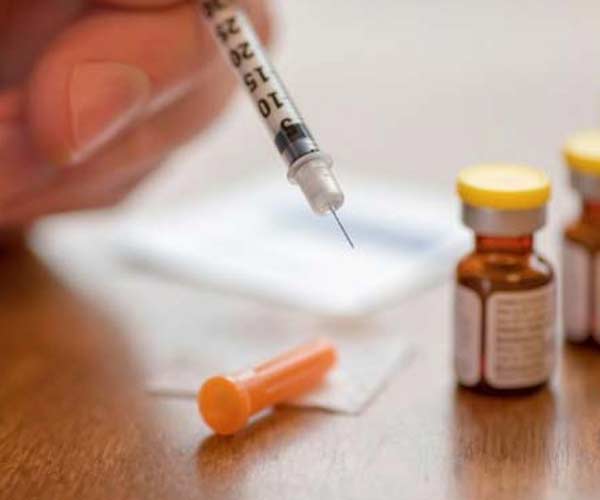
Lipotropic injections — usually sold as MIC injections, MIC B12 injections, or simply “lipo shots” — are compounded blends of methionine, inositol, and choline, often combined with vitamin B12. They are inexpensive, quick to administer, and widely marketed as fat-burning shots. They are also one of the most oversold products in medical weight loss.
Here is the honest version, and it is the one clinicians should be giving patients: MIC lipotropic injections are not a proven driver of meaningful fat loss on their own. The individual ingredients have real, documented roles in fat metabolism and liver function. What they do not have is a body of controlled evidence showing that injecting them causes clinically significant weight loss independent of diet, exercise, and the rest of a supervised program. Meanwhile, GLP-1 receptor agonists — the drugs most people actually mean when they search “weight loss shots” — do have that evidence, and it is substantial.
That distinction is the whole article. This guide covers what is actually in a MIC injection and what each component does, what the evidence supports and what it doesn’t, how lipotropics compare to GLP-1s and every other option on the menu, who is a reasonable candidate, the safety profile, and where these injections legitimately fit inside a supervised medical weight loss program.
What Are MIC Lipotropic Injections?
MIC stands for methionine, inositol, and choline. These three compounds are classed as lipotropics — substances involved in the transport and metabolism of fat, particularly in the liver. Most clinics add vitamin B12 (cyanocobalamin or methylcobalamin) to the blend and administer the whole thing as a single intramuscular or subcutaneous injection, which is why “MIC injections” and “MIC B12 injections” usually refer to the same product.
Two facts about these injections matter more than anything on the marketing page:
- They are compounded, not manufactured under an FDA-approved drug application. Formulation, concentration, and dosing vary from pharmacy to pharmacy and clinic to clinic. There is no standardized product to study, which is part of why the evidence base is so thin.
- They are not FDA-approved for weight loss. No lipotropic injection has been approved for the treatment of obesity or overweight. Any clinic presenting them as an approved obesity treatment is misrepresenting them.
None of that makes them useless. It does mean the correct frame is a supportive adjunct within a supervised program — not a fat-loss engine.
Methionine
Methionine is an essential amino acid found in lean meats, dairy, eggs, and nuts. In normal physiology it participates in hepatic fat processing and methylation reactions, and it contributes to the liver’s handling of triglycerides and cholesterol. That role is real and well described in biochemistry. What has not been established is that supplementing methionine by injection in a person who is not deficient accelerates fat loss.
Inositol
Inositol is a naturally occurring carbohydrate compound, historically grouped with the B-complex nutrients. It functions in cellular signaling and lipid metabolism and has a role in serotonin signaling, which is the basis for the frequent claim that it curbs appetite. Inositol — particularly myo-inositol — has been studied more seriously in insulin resistance and PCOS than in general weight loss, and it is not approved to treat any mental health condition despite the serotonin connection appearing in a lot of clinic copy.
Choline
Choline is a water-soluble essential nutrient central to liver function and to the transport of fats out of the liver via VLDL particles. Genuine choline deficiency contributes to hepatic fat accumulation — which is exactly why choline is in the blend and why the fat-metabolism story sounds plausible. The gap in the logic is the same one as with methionine: correcting a deficiency is not the same as producing weight loss in someone who is replete.
Vitamin B12
Vitamin B12 supports red blood cell formation, neurologic function, and energy metabolism. This is the ingredient most responsible for the “I feel better on these shots” reports, and the mechanism is not mysterious: in a patient who is genuinely B12-deficient, repletion resolves fatigue. In a patient with normal B12 status, injecting more of it does not create surplus energy or burn fat. B12 injections for weight loss are, in the large majority of patients, treating a deficiency that isn’t there.
Do Lipotropic Injections Work? What the Evidence Actually Shows
The honest answer is that the evidence for MIC lipotropic injections producing meaningful, independent weight loss is weak. There is no robust body of randomized controlled trial data demonstrating that lipotropic injections cause clinically significant fat loss beyond what the accompanying calorie restriction, activity changes, and clinical monitoring would have produced anyway.
That is a very different statement from “they do nothing.” It means:
- The mechanistic rationale is real. Methionine, inositol, and choline are legitimately involved in hepatic lipid handling.
- The clinical proof that supplying them by injection moves the scale is not there.
- The patient-reported benefit is real but confounded. Patients on lipotropic protocols are simultaneously dieting, exercising, and being weighed by a clinician every few weeks. Attributing the result to the shot is a reasoning error, not a finding.
Be especially skeptical of the numbers in circulation. Claims that MIC B12 injections deliver a specific weekly pound count are marketing, not data — and where such losses occur, they are attributable to the caloric deficit and the accountability structure of the program, not the injection. A clinician who repeats those figures to a patient is setting up a disappointment and a refund request.
What lipotropic injections plausibly contribute is more modest and more defensible: correction of real deficiencies, a tolerable non-stimulant option for patients who cannot or will not take prescription weight loss medication, and a recurring touchpoint that keeps patients engaged with a supervised program. Those are legitimate reasons to offer them. “They burn fat” is not.
The Weight Loss Shots Landscape: Where Lipotropics Actually Sit
When patients search for weight loss shots, most of them are not thinking about lipotropics at all. They are thinking about GLP-1s. Understanding the full landscape is what allows a clinician to place MIC injections honestly.
GLP-1 Receptor Agonists
Glucagon-like peptide-1 receptor agonists were developed to treat type 2 diabetes and turned out to produce substantial weight loss. They slow gastric emptying, increase satiety, act on appetite signaling in the brain, and enhance glucose-dependent insulin secretion. Two are FDA-approved specifically as injectable weight loss medications:
- Saxenda® (liraglutide) — approved in 2014, injected once daily. Dosing typically starts at 0.6 mg and titrates up to 3 mg over several weeks. It is approved for adolescents aged 12 and older, which Wegovy is not. In clinical trial, it produced roughly a 6% reduction in body weight over 68 weeks.
- Wegovy® (semaglutide) — injected once weekly. Dosing starts at 0.25 mg and titrates to a full adult dose of 2.4 mg. Over a comparable 68-week period, trial participants saw roughly a 16% reduction in body weight — a substantially larger effect than liraglutide.
Other GLP-1 and dual-agonist agents, including tirzepatide, are also in wide use, though not every GLP-1 on the market carries an FDA weight loss indication. The category as a whole is where the strong evidence lives.
The side effect profile is not trivial. Common effects — usually mild and often worst during titration — include nausea, vomiting, diarrhea, constipation, abdominal pain, upset stomach, headache, and fatigue. Rare but serious risks include pancreatitis, gallbladder disease, hypoglycemia, allergic reaction, and a specific thyroid tumor signal. Patients with a personal or family history of medullary thyroid carcinoma should not take these drugs. Both require supervision by a licensed provider with real medical weight loss training.
Oral and Other FDA-Approved Medications
GLP-1s are not the only approved pharmacotherapy, and for some patients they are not the right first choice:
Ready to put this into practice?
Explore Empire's hands-on, CME-accredited Medical Weight Loss & Metabolic Health courses — live patients, expert faculty, and ongoing mentorship.
- Adipex® and Suprenza® (phentermine)
- Qsymia® (phentermine-topiramate)
- Contrave® (naltrexone-bupropion)
- Xenical® and Alli® (orlistat)
- Imcivree® (setmalanotide)
- Plenity® (carboxymethylcellulose hydrogel)
Several additional agents are used off-label for weight loss at acceptable risk when prescribed thoughtfully and documented as off-label.
Bariatric Surgery
Sleeve gastrectomy, gastric bypass, and newer, less invasive procedures produce the largest and most durable weight loss of any intervention. They also carry the risks inherent to any surgical procedure, require recovery time, and demand lifelong nutritional follow-up. Surgery is not for everyone, and the decision belongs in a conversation with a primary care provider and a surgeon.
Diet and Exercise
This is more complicated than it sounds, and dismissing it is a mistake. Diet and exercise remain the foundation every other intervention is built on, and they meaningfully improve obesity-related conditions such as hypertension and type 2 diabetes. The realistic caveat is that long-term maintenance without pharmacologic or procedural support is difficult for most people — which is the entire reason the rest of this list exists.
So Where Do MIC Injections Land?
Below GLP-1s, below approved oral pharmacotherapy, below surgery for appropriate candidates — and beside, not instead of, diet and exercise. Compared with GLP-1 medications, lipotropic injections are cheaper and have far fewer systemic side effects, but they also do not alter hunger hormones or gastric emptying, and they do not produce comparable results. Compared with bariatric surgery, they are non-invasive with no recovery time and nothing close to the outcome. Their real advantage over fad diets and over-the-counter fat burners is honest: predictable nutrient dosing, documented physiologic roles, and administration under medical supervision.
Are MIC Injections Safe?
Generally, yes — safety is not the weak point here. Efficacy is. The components are nutrients and amino acids, and the injections are well tolerated by most patients. Documented side effects are usually mild to moderate:
- Injection-site pain, redness, or bruising
- Flushing
- Increased heart rate
- Nausea or gastrointestinal upset
- Headache
- Urinary changes or a fishy body odor at higher choline doses
Because these are compounded products, sterile technique, pharmacy sourcing, and formulation verification matter. Lipotropic injections are inappropriate or require careful evaluation in patients with known allergies to any component, uncontrolled medical conditions, significant renal or hepatic impairment, B12-related disorders, or pregnancy and breastfeeding. A patient with unexplained fatigue should be worked up, not injected — masking a B12 deficiency of unclear cause, or an unexamined thyroid problem, with a monthly shot is a real clinical risk.
Who Are Lipotropic Injections Appropriate For?
A reasonable candidate is someone who:
- Is already following a structured, clinician-supervised nutrition and activity plan
- Has a documented B12 deficiency or a condition that impairs B12 absorption
- Cannot tolerate GLP-1 medications, or is not a candidate for them
- Declines prescription pharmacotherapy and wants a non-stimulant, non-surgical adjunct
- Understands — because the clinician has said so plainly — that the injection is a supporting player
A poor candidate is someone who wants the shot instead of the program. If a patient’s expectation is that a weekly injection will produce weight loss without dietary change, the ethical move is to reset the expectation or decline the treatment — not to sell the package.
How MIC and B12 Injections Fit Into a Supervised Program
Lipotropic injections are not a standalone solution for significant, durable weight loss. They work — to the extent they work at all — only inside a program that is doing the actual work.
Calorie-Controlled, Nutrient-Dense Nutrition
- Whole foods: vegetables, fruits, lean protein, complex carbohydrates
- Calorie targets set to the individual, not to a template
- Balanced macronutrient distribution appropriate to the patient
- Referral to a registered dietitian where indicated
Regular Physical Activity
- 150–300 minutes per week of moderate-intensity activity — brisk walking, swimming, cycling
- Two to three resistance training sessions per week to preserve lean mass, which matters enormously on GLP-1s
- Low-impact work such as yoga or Pilates for adherence and mobility
Behavioral Support
- Identifying and addressing emotional eating triggers
- Building coping strategies that aren’t food
- Mindful and intuitive eating practices
- Realistic, incremental goal setting
Ongoing Medical Supervision
- Monitoring progress and adjusting the plan as physiology and adherence change
- Screening and treating underlying contributors — thyroid dysfunction, insulin resistance, medication effects, hormonal factors
- Managing pharmacotherapy titration and side effects
- Verifying that any adjunct, including lipotropics, is actually justified for that patient
Hormonal status is frequently the missing variable in a stalled weight loss patient, which is why many weight management practices pair their program with hormone optimization — our overview of synthetic versus bioidentical hormones and our hormone pellet and BHRT training cover that side of the practice.
Frequently Asked Questions
Do lipotropic injections work?
Not as an independent driver of weight loss — the evidence for that is weak. There is no strong controlled-trial data showing that methionine, inositol, and choline injections produce clinically meaningful fat loss beyond what the accompanying diet, exercise, and supervision account for. They can be a reasonable supportive adjunct within a program, and they can correct genuine nutrient deficiencies. Anyone telling a patient the shot itself will melt fat is overselling it.
What is in a MIC injection?
Methionine (an essential amino acid), inositol (a B-complex-associated compound), and choline (an essential nutrient), typically in a preserved sterile solution. Most clinics add vitamin B12. Because these are compounded formulations rather than FDA-approved manufactured drugs, exact concentrations vary by compounding pharmacy — there is no single standardized MIC formula.
How often do you get MIC B12 injections?
Most protocols run weekly, with some clinics using twice-weekly or every-other-week schedules depending on the formulation and the patient. Benefits, where present, require continued administration — nothing about the injection produces a lasting metabolic change once it stops. The frequency should be set by the supervising clinician against a specific goal, not sold as an open-ended subscription.
Are lipotropic injections FDA approved?
No. No lipotropic or MIC injection is FDA-approved for weight loss or obesity treatment. They are compounded preparations of nutrients and amino acids. Individual components are recognized nutrients, but that is not the same thing as an approved indication. Patients should be told this directly, and it should appear in the consent conversation.
MIC injections vs. semaglutide — which is better for weight loss?
For weight loss specifically, this is not a close comparison. Semaglutide has robust randomized trial evidence and an FDA weight loss indication; MIC injections have neither. Semaglutide’s trade-offs are cost, gastrointestinal side effects, contraindications including medullary thyroid carcinoma history, and the need for careful titration. MIC injections are cheaper and better tolerated but should not be presented as an equivalent alternative — only as an option for patients who cannot or will not use GLP-1 therapy, with expectations set accordingly.
Do weight loss shots work?
It depends entirely on which shot. GLP-1 receptor agonists such as Saxenda and Wegovy work, with clinical trial evidence behind them — roughly 6% and 16% body weight reduction respectively over 68-week trials. Lipotropic and B12 shots do not have comparable evidence. Lumping them together under “weight loss shots” is how patients end up paying for the wrong one.
Are lipotropic injections safe?
For most healthy patients, yes. Side effects are typically mild — injection-site reactions, flushing, increased heart rate, nausea, headache. The more meaningful risks are compounding quality, sterile technique, and the possibility of masking an undiagnosed condition behind a monthly energy boost. They should be administered by trained clinicians who screen properly first.
Train to Deliver Medical Weight Loss the Right Way
The clinical skill in weight management is not drawing up a syringe. It is knowing which patient needs a GLP-1 and which one needs a workup, how to titrate through the nausea window without losing the patient, how to protect lean mass during rapid loss, how to screen for the contraindications that matter, and how to tell a patient honestly what an adjunct will and will not do for them. That judgment is what builds a practice that retains patients instead of churning them.
Empire Medical Training has trained physicians, nurse practitioners, PAs, and nurses in medical weight loss since 1998. Our Physician Medical Weight Loss Training course is CME-accredited and covers GLP-1 protocols, lipotropic and B12 injection technique and dosing, patient selection, comorbidity screening, and the program design that makes any of it work. Many practices pair it with aesthetic services such as Botox training and dermal filler training, and our Medspa Business & Marketing Masterclass covers turning those services into a viable practice.