







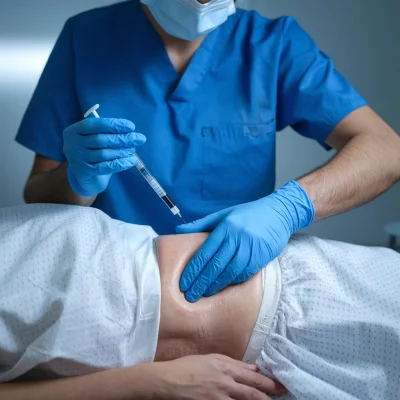
Joint injections have become an increasingly vital procedure in modern healthcare, offering patients relief from pain and improved mobility without the need for invasive surgery. For healthcare professionals looking to expand their skills and provide comprehensive patient care, mastering joint injection techniques for the knee, shoulder, and hip is essential.
The demand for skilled practitioners who can perform these procedures safely and effectively continues to grow, making joint injection training a valuable addition to any medical professional's skill set. Whether you're a physician, nurse practitioner, or physician assistant, understanding the intricacies of joint injections can significantly enhance your practice and patient outcomes.
Understanding Joint Injection Fundamentals
Joint injections involve the precise delivery of therapeutic substances directly into synovial joints to treat various conditions including osteoarthritis, rheumatoid arthritis, bursitis, and other inflammatory conditions. These minimally invasive procedures can provide significant pain relief and improved function for patients suffering from joint-related disorders.
The most commonly injected substances include:
- Corticosteroids for anti-inflammatory effects
- Hyaluronic acid for joint lubrication
- Local anesthetics for immediate pain relief
- Platelet-rich plasma (PRP) for regenerative therapy
Success in joint injection procedures depends heavily on proper technique, anatomical knowledge, and understanding of contraindications and potential complications.
Knee Joint Injection Techniques
The knee joint is one of the most commonly injected joints due to the high prevalence of knee osteoarthritis and sports-related injuries. Understanding the anatomy and proper injection techniques is crucial for safe and effective treatment.
Anatomical Considerations for Knee Injections
The knee joint consists of three compartments: the medial and lateral tibiofemoral compartments and the patellofemoral compartment. The suprapatellar bursa communicates with the joint space, making it an ideal target for injection.
Key anatomical landmarks include:
- Patella and patellar tendon
- Medial and lateral joint lines
- Femoral condyles
- Tibial plateau
Injection Approaches for Knee Procedures
Several approaches can be used for knee injections, each with specific advantages:
Lateral Approach: This is often preferred as it avoids major blood vessels and nerves. The injection site is typically located at the lateral edge of the patella, directing the needle medially and slightly proximally.
Medial Approach: Less commonly used due to the proximity of the medial collateral ligament and potential for patient discomfort.
Anterior Approach: Useful when other approaches are contraindicated, though it requires careful navigation around the patellar tendon.
Shoulder Joint Injection Mastery
Shoulder injections present unique challenges due to the complex anatomy and multiple potential injection sites. The glenohumeral joint, subacromial bursa, and acromioclavicular joint are the primary targets for therapeutic injections.
Shoulder Anatomy for Injection Procedures
The shoulder's ball-and-socket joint allows for extensive range of motion but also creates multiple spaces where pathology can develop. Understanding the relationship between the humeral head, glenoid fossa, and surrounding soft tissues is essential.
Critical anatomical structures include:
- Acromion process
- Coracoid process
- Greater and lesser tuberosities
- Rotator cuff tendons
- Subacromial bursa
Common Shoulder Injection Sites
Glenohumeral Joint: Accessed through anterior or posterior approaches, with the posterior approach often preferred due to easier palpation of landmarks and reduced risk of neurovascular injury.
Subacromial Bursa: Commonly injected for impingement syndrome and rotator cuff pathology. The lateral approach under the acromion is most frequently used.
Acromioclavicular Joint: A smaller target requiring precise needle placement, typically accessed from a superior approach.
Hip Joint Injection Protocols
Hip joint injections are among the most technically challenging due to the deep location of the joint and surrounding neurovascular structures. These procedures often require imaging guidance for safe and accurate needle placement.
Hip Joint Anatomy and Access Points
The hip joint is a deep, ball-and-socket joint formed by the femoral head and acetabulum. The joint capsule is reinforced by strong ligaments, making direct palpation of bony landmarks crucial for successful injection.
Ready to put this into practice?
Explore Empire's hands-on, CME-accredited Pain Management & Interventional Therapies courses — live patients, expert faculty, and ongoing mentorship.
Important anatomical considerations include:
- Anterior superior iliac spine
- Greater trochanter
- Inguinal ligament
- Femoral artery and nerve
- Joint capsule depth
Hip Injection Techniques
Anterior Approach: The most common technique, utilizing landmarks such as the anterior superior iliac spine and the intersection with the inguinal crease. Careful attention must be paid to avoid the femoral neurovascular bundle.
Lateral Approach: Less commonly used but can be effective when the anterior approach is contraindicated.
Many practitioners prefer ultrasound or fluoroscopic guidance for hip injections to ensure accurate needle placement and avoid complications.
Safety Considerations and Best Practices
Patient safety should always be the primary concern when performing joint injections. Proper sterile technique, patient screening, and post-procedure monitoring are essential components of safe practice.
Pre-Procedure Assessment
Before performing any joint injection, healthcare providers must:
- Conduct thorough medical history review
- Assess for contraindications such as active infection or coagulopathy
- Obtain informed consent
- Verify allergies to medications or contrast agents
- Review current medications, especially anticoagulants
Infection Prevention Protocols
Strict aseptic technique is mandatory for all joint injection procedures:
- Hand hygiene and sterile gloving
- Skin preparation with appropriate antiseptic
- Use of sterile drapes and equipment
- Single-use, sterile needles and syringes
- Proper disposal of sharps and contaminated materials
Common Complications and Management
While joint injections are generally safe procedures, practitioners must be aware of potential complications and their management strategies.
Immediate Complications
Vasovagal reactions, bleeding, and allergic responses can occur during or immediately after injection. Having appropriate emergency medications and equipment readily available is essential.
Delayed Complications
Post-injection flare, infection, and steroid-related effects may develop hours to days after the procedure. Patient education regarding warning signs and when to seek medical attention is crucial.
Training and Certification Requirements
Proper training is essential for healthcare providers who wish to perform joint injections safely and effectively. Comprehensive training programs should include both didactic learning and hands-on practice with experienced instructors.
Key components of quality joint injection training include:
- Detailed anatomical instruction
- Hands-on practice with cadaveric or simulation models
- Imaging interpretation skills
- Sterile technique protocols
- Complication recognition and management
- Documentation and billing requirements
[INTERNAL LINK: medical aesthetics training programs]
Advancing Your Skills with Professional Training
The field of joint injections continues to evolve with new techniques, medications, and imaging technologies. Staying current with best practices and emerging trends is essential for providing optimal patient care.
Professional development opportunities should focus on:
- Advanced injection techniques
- Ultrasound-guided procedures
- Regenerative medicine applications
- Pain management protocols
- Patient communication and education
Healthcare providers who invest in comprehensive joint injection training position themselves to meet the growing demand for these services while expanding their professional capabilities and improving patient outcomes.
Empire Medical Training offers comprehensive joint injection courses designed specifically for healthcare professionals seeking to master these essential procedures. Our expert instructors provide hands-on training in a supportive learning environment, ensuring you develop the confidence and competence needed to perform these procedures safely and effectively.
Ready to advance your medical skills and expand your practice capabilities? Contact Empire Medical Training today to learn more about our joint injection training programs and take the next step in your professional development. Our comprehensive courses will provide you with the knowledge, skills, and confidence needed to excel in joint injection procedures.
Related reading: the wider map of interventional pain procedures and what ultrasound guidance does and does not improve. See also genicular nerve block for the painful knee and suprascapular nerve block for the shoulder.




 Claim Your Prize!