





Love helping people look and feel their best?
Consider becoming a Botox® injector. If you’re already a registered nurse, physician’s assistant, nurse practitioner, or other licensed medical professional (authorized to administer Botox® injections in your part of the United States), the process of becoming Botox® certified is straightforward.
In fact, learning how to become a Botox® injector is easier than you may think, usually taking a few days or weeks if you're a licensed medical professional. That could be time well spent — the average NP and PA earns a six-figure salary.
And with Empire Medical Training’s elite aesthetics training and workshops, the process of becoming a Botox® injector is even simpler. Here’s how to become a Botox® injector and find work doing what you love.
Who Can Administer Botox®?
Most jurisdictions allow licensed professionals like registered nurses (RNs), nurse practitioners (NPs), physician assistants (PAs), medical doctors, dentists, and plastic surgeons to administer Botox®, often under the supervision of a medical doctor or plastic surgeon.
These injection regulations generally apply to two distinct types of commercially available Botox®:
-
Botox® Cosmetic: If you’re wondering, “What is Botox®?”, Botox® Cosmetic is an FDA-approved injection containing botulinum toxin used to treat cosmetic concerns situated around the head, face, and neck, like glabellar lines and nasolabial folds at the Botox® injection site.
-
Botox® Therapeutic: This particular Botox® injection is designed for therapeutic purposes, treating nervous and musculoskeletal issues like blepharospasm (a form of eye spasms) and urinary incontinence.
At Empire Medical Training, we’ve helped over 175,000 healthcare professionals with Botox® injection training for male and female patients, so they can become well-versed in safely and confidently administering Botox® during every session.
How to Get Certified for Botox®
If you’re asking yourself, “How do I get certified to do Botox®?”, you’ll need to complete an accredited training course, meet state-specific certification requirements, and gain hands-on experience administering live injections. We’ll go through each specific step of the process for qualifications to become Botox® certified below in greater detail.
Step 1: Get Your Nursing or Medical Degree
Wondering what degree you need to give Botox® injections? You’ll need a nursing degree or one in a related medical field to begin your Botox® injector journey.
The quickest way to become a Botox® injector is by earning an Associate’s Degree in Nursing (ASN), which takes about two years. However, many employers prefer hiring nurses with a Bachelor’s Degree in Nursing (BSN), which takes roughly four years in comparison. On the other hand, physicians and physician assistants must complete their medical degrees and specific residency or clinical training to administer Botox® injections.
Step 2: Pass the NCLEX-RN or Required Licensing Exam
Once you’ve completed your nursing degree or other required education, RNs have to pass the NCLEX-RN exam to officially earn their RN license in the state where they plan on practicing. If you're pursuing a physician assistant or physician career, you must pass the Physician Assistant National Certifying Exam (PANCE) or an equivalent and meet any state-specific requirements for practicing.
We know how essential these exams are for your success, and once you’re licensed, you can begin your Botox® training in earnest. Just make sure that you double-check all requirements for how to get certified for Botox® with your state medical board.
Step 3: Enroll in an Accredited Botox® Training Course
Now comes the exciting part: enrolling in an accredited Botox® training course. Be sure to choose a course led by experienced, board-certified instructors—ideally with years of expertise in plastic surgery or dermatology. And if you’re looking to expand your aesthetic skillset in one go, we recommend combining Botox® training with dermal filler courses to help you bridge the gap.
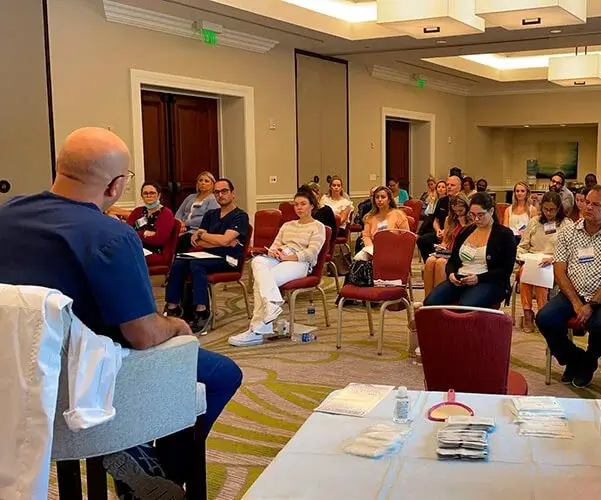
At Empire Medical Training, we offer a variety of Botox® courses, including a complete botulinum toxin training, giving you in-depth classroom instruction and hands-on training so you can master the art of administering Botox® injections in real-time.
We’ve helped thousands of professionals develop a solid foundation in aesthetic treatments, and our training programs are structured to give you all the tools you need to succeed.
Step 4: Complete Botox® Certification Requirements
Once you’ve completed your training, you’ll need to meet your state’s certification requirements, which usually involve a specific number of training hours and completing hands-on botulinum toxin injections.
Empire’s training courses are designed to help you meet these requirements for Botox® certification. With our assistance, you’ll get direct guidance from board-certified instructors throughout your training, including learning how to inject Botox® into real patients under supervision, which is an invaluable experience when building your aesthetics skills.
Step 5: Get a Botox® License and Maintain Certification
To start administering Botox® injections, you’ll need to obtain the appropriate license in your state. Some states expect you to have a supervisory agreement with a physician, while others have different regulations about who can inject Botox®.
Once you’ve discovered how to get a Botox® license, you’ll be ready to start working as a Botox® injector. But don’t forget—it’s important to maintain your certification through ongoing education and continuing medical education (CME) credits.
Career Opportunities for Certified Botox® Injectors
Now that you’ve got your Botox® certification in hand, you’re finally ready to find work as a Botox® injector. Lucky for you, the career opportunities are vast in this promising field, including:
-
Medical Aesthetic Practices: Practitioners can join established practices, like those specializing in facial rejuvenation for treatments such as wrinkle reduction and contouring.
-
Medical Spas: Botox® injectors can deliver Botox® services for smile lines, crow's feet, and forehead wrinkles while working in high-demand medical spas.
-
Dermatology Offices: Healthcare professionals can perform treatments like wrinkle smoothing alongside acne and skin rejuvenation therapies in dermatology offices.
-
Plastic Surgery Clinics: Botox® treatments can be used in plastic surgery clinic settings to enhance post-surgical results, including reducing bruising and refining facial contours after facelifts.
-
Opening Your Own Practice: Many injectors also choose to open their own practices or work as independent contractors, offering them professional flexibility and growth opportunities.
While looking for new jobs online or in-person, don’t forget to also take advantage of apprenticeships or job-shadowing opportunities to build up your work experience. If you’re still busy with getting your medical certification, working under a board-certified provider is a great way to get your foot in the door.
Become a Certified Botox® Injector with Empire Medical Training
Whether you’re just starting your aesthetic career or you’re looking to add Botox® to your practice, we supply the most comprehensive training programs in the industry for how to become a Botox® injector.
With more than 25 years of experience and some of the best workshops for mastering Botox® injections held annually across the U.S., Asia, South America, and beyond, we’ve helped over 175,000 licensed healthcare professionals take their careers to the next level. Our programs are designed for people who are ready to succeed, and we offer flexible learning options when you enroll in an aesthetic workshop with us so that you can learn at your own pace.
If you’re ready to become a certified Botox® injector, we invite you to get in touch with Empire Medical Training today and learn from the best to embrace a rewarding aesthetics career.


 Claim Your Prize!