Empire Rewards Wheel
Saint Patrick’s Day Sale! Up to 50% OFF! Hurry—Sale Ends Fri, Mar 20 Save Now >>
Academy of Aesthetics
Academy of Business & Marketing
Academy of Functional Medicine
New 2025 Courses
Academy of Pain Management
Other Academies
Learn More and Save!
All-Inclusive CME Plans
Botox, Dermal Fillers, and More
IV Nutrition, Hormone Pellet, and More
Pain Show, NCV/EMG, and More
Blueprint, Business Bootcamp, and More
Facial Aesthetics, Cosmetic Laser, and More
Learn From the Comfort of Your Home or Office
A Global Community of Aesthetic Professionals
Discover Our 28+ Year Legacy
We're Here to Help With What You Need!
Explore World-Renonwed Educators
Grow With Us
Your Production Solution
Get FREE Playbooks and Guides
Explore Valuable Information
A Customizable Training Experience
Get Up to 50% OFF Sitewide—Saint Patrick’s Day Sale
OFFER ENDS Fri, Mar 2000
Days00
Hrs00
Mins00
SecsSave More with Aesthetic Training Bundles & Memberships
Empire's Direct Primary Care Training empowers nurse practitioners to build independent, membership-based primary care practices that restore the provider-patient relationship while creating sustainable, predictable income. NPs are leading the DPC movement in states with full practice authority, and this course provides the business blueprint, legal frameworks, and operational systems to launch and grow a successful NP-led DPC practice. For RNs, the training provides essential knowledge for supporting DPC operations and understanding this transformative care delivery model.
Learn the complete DPC business model from membership pricing through legal entity formation. Get specific guidance for NPs launching independent practices including state-by-state practice authority considerations and collaborative agreement frameworks.
Size your patient panel for optimal care quality and financial sustainability. Learn the membership pricing, service scope, and capacity planning frameworks specific to NP-led DPC practices.
Design extended consultation workflows that leverage your patient-centered nursing approach. Learn to integrate preventive care, chronic disease management, and telemedicine into a comprehensive DPC service model.
DPC eliminates insurance billing overhead and creates predictable monthly income. NP-led DPC practices reaching 400–600 patients generate sustainable revenue that often exceeds traditional NP employment compensation.
Course Highlights
As a nurse practitioner, DPC offers a path to practice independence, patient-centered care, and financial sustainability. These highlights address the business model, legal frameworks, and operational systems most relevant to NPs launching DPC practices.
Curriculum Highlights
Master essential techniques and protocols through our comprehensive, CME-accredited curriculum designed for nurses & nurse practitioners.
Designed for Nurses
Nurses and NPs bring exceptional patient care skills, clinical assessment capabilities, and bedside manner to aesthetic and procedural medicine. These transferable competencies make nurses natural fits for injectable procedures, pain management interventions, and regenerative therapies. Adding procedural skills opens pathways to higher compensation, practice ownership, and career independence.
Registered Nurses (RNs) and Nurse Practitioners (NPs) are among the fastest-growing segments in aesthetic and procedural medicine. NPs in most states have independent or collaborative prescriptive authority, enabling them to administer neurotoxins, dermal fillers, and other injectable treatments. RNs can perform these procedures under physician supervision or collaborative agreements, depending on state regulations. Empire Medical Training's programs are designed to equip both RNs and NPs with the hands-on clinical skills and certification they need to practice confidently within their scope.
Upon completion, nurses receive a CME/CE-accredited certificate of completion recognized by state nursing boards nationwide. Credits apply toward license renewal and specialty credentialing requirements.
View upcoming dates, locations, and register for the next available session.
Witness inspiring firsthand accounts from Empire graduates, demonstrating that with the right training, success is inevitable.
Direct Primary Care (DPC) is a practice model where patients pay a monthly membership fee directly to their primary care provider in exchange for comprehensive primary care services without insurance billing. This model eliminates the administrative overhead of insurance coding, prior authorizations, and claims processing, allowing providers to maintain smaller patient panels, offer longer appointments, and deliver personalized care. DPC practices typically charge $50-$150 per month per adult patient.
Most solo DPC providers reach financial sustainability at 300-600 patients, depending on their membership pricing, overhead costs, and geographic market. The course provides detailed financial modeling tools to help you determine your specific break-even point and optimal panel size. Many DPC providers find they earn equal or greater income than traditional practice while seeing fewer patients and experiencing dramatically less administrative burden and burnout.
DPC memberships cover primary care services but are not insurance. Most DPC experts recommend patients carry a high-deductible catastrophic insurance plan or health-sharing plan to cover hospitalizations, specialty referrals, and other services beyond primary care scope. The course covers how to educate patients about this complementary coverage model and how to coordinate care effectively with insurance-based specialists and facilities.
Yes, many successful DPC practices are led by nurse practitioners and physician assistants. In states with full practice authority for NPs, launching an independent DPC practice is straightforward. In states requiring supervisory agreements, PAs and NPs can establish DPC practices under collaborative arrangements. The course covers the specific considerations for non-physician DPC ownership including legal structures, scope requirements, and collaborative agreement frameworks.
DPC practices typically include unlimited or near-unlimited office visits, telemedicine consultations, preventive care screenings, chronic disease management, basic in-office procedures, lab ordering at wholesale pricing, medication dispensing, and same-day or next-day appointment access. Many practices also integrate wellness services, nutritional counseling, and mental health screening. The course helps you design a service menu that maximizes patient value and practice sustainability.
DPC practitioners consistently report dramatic improvements in professional satisfaction and work-life balance. Smaller patient panels (400-600 vs. 2,000-3,000 in traditional practice), elimination of insurance paperwork, and control over your schedule reduce burnout significantly. Most DPC providers work standard business hours without weekend or evening requirements, spend more time with each patient, and report reconnecting with the reasons they entered medicine in the first place.
Yes. NPs in states with full practice authority can independently own and operate DPC practices. In states with reduced or restricted practice authority, NPs can establish DPC practices under collaborative agreements with physicians. Many successful DPC practices nationwide are NP-led, and the model's emphasis on relationship-based primary care aligns naturally with nursing philosophy and training.
NP-led DPC practices with 400–600 patients at $75–$150 per month membership generate $360K–$1M+ in annual gross revenue. After overhead (typically 30–50% for a lean DPC operation), NPs can earn $150K–$400K+ annually — often exceeding traditional NP employment compensation while working fewer hours, seeing fewer patients, and experiencing significantly less administrative burden and burnout.
Yes. DPC practices can operate under collaborative agreements in states that require them. The course covers the specific considerations for structuring DPC practices with physician collaboration including agreement templates, supervisory arrangements, and the operational workflows that satisfy regulatory requirements while maintaining the NP's clinical autonomy and practice management authority.
Scope of practice varies by state. Nurse Practitioners (NPs) in many states have full independent practice authority including prescribing and administering injectables. Registered Nurses (RNs) typically require a collaborative or supervisory agreement with a physician. Empire's training provides the clinical certification; your ability to practice independently depends on your state nursing board regulations. Our team can help you understand the requirements in your state.
Nurses who complete procedural training can pursue roles in medical spas, dermatology practices, plastic surgery offices, pain management clinics, and regenerative medicine centers. Many NPs go on to open their own aesthetic practices. The combination of nursing clinical skills with procedural certification creates one of the most in-demand professional profiles in healthcare today.
Empire Medical Training's courses are CME/CE accredited through the ACCME, and the credits are recognized by state nursing boards nationwide for continuing education and license renewal purposes. The certification documents your hands-on training competency and can be presented to employers, credentialing committees, and malpractice insurance providers.
More Courses
Explore Empire Medical Training's full range of courses designed for nurses & nurse practitioners.
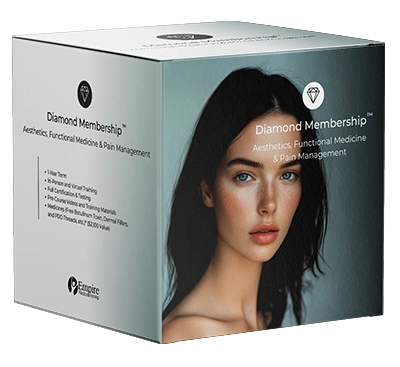
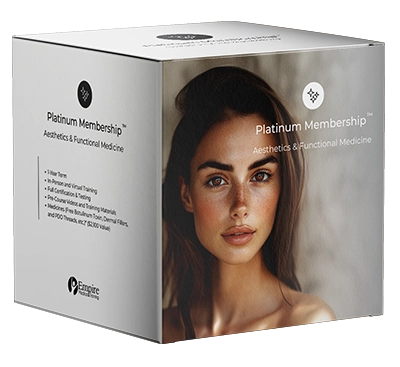
Why pay for a single workshop when you can attend up to 63 FREE!
With 28+ years in business the Empire Membership still remains the top choice for medical and dental professionals.
Members receive additional benefits and discounts!
Saint Patrick’s Day Sale—Ends Fri, Mar 20
16+ Courses
Aesthetics & Functional Medicine
22+ Courses
Aesthetics, Functional Medicine
35+ Courses
All-InclusiveRecommended Preparation
Join our attendees in celebrating “far none, the best course [they’ve] ever been to.” Physicians and healthcare professionals will develop and perfect their Aesthetics skills in this “game-changing course.” This fully comprehensive seminar combines practical and immersive learning to avoid complications while performing injectable procedures. Course taught by board-certified physicians and renowned surgeons.
The program is approved for 8.0 AMA PRA Category 1 Credit™
Explore WorkshopEmpire Rewards Wheel