
Empire Rewards Wheel
End-Of-Month Spring Sale! Up to 50% OFF! Hurry—Sale Ends Thu, Apr 30 Save Now >>
Academy of Aesthetics
Academy of Business & Marketing
Academy of Functional Medicine
New 2025 Courses
Academy of Pain Management
Other Academies
Follow a Proven Training Progression
Learn More and Save!
All-Inclusive CME Plans
Botox, Dermal Fillers, and More
IV Nutrition, Hormone Pellet, and More
Pain Show, NCV/EMG, and More
Blueprint, Business Bootcamp, and More
Facial Aesthetics, Cosmetic Laser, and More
Learn From the Comfort of Your Home or Office
A Global Community of Aesthetic Professionals
Discover Our 28+ Year Legacy
We're Here to Help With What You Need!
Explore World-Renowned Educators
See What Our Students Are Saying
Grow With Us
Your Production Solution
Get FREE Playbooks and Guides
Explore Valuable Information
A Customizable Training Experience
See How We Stack Up Against Others
Get Up to 50% OFF Sitewide—End-Of-Month Spring Sale
OFFER ENDS Thu, Apr 3000
Days00
Hrs00
Mins00
SecsSave More with Aesthetic Training Bundles & Memberships
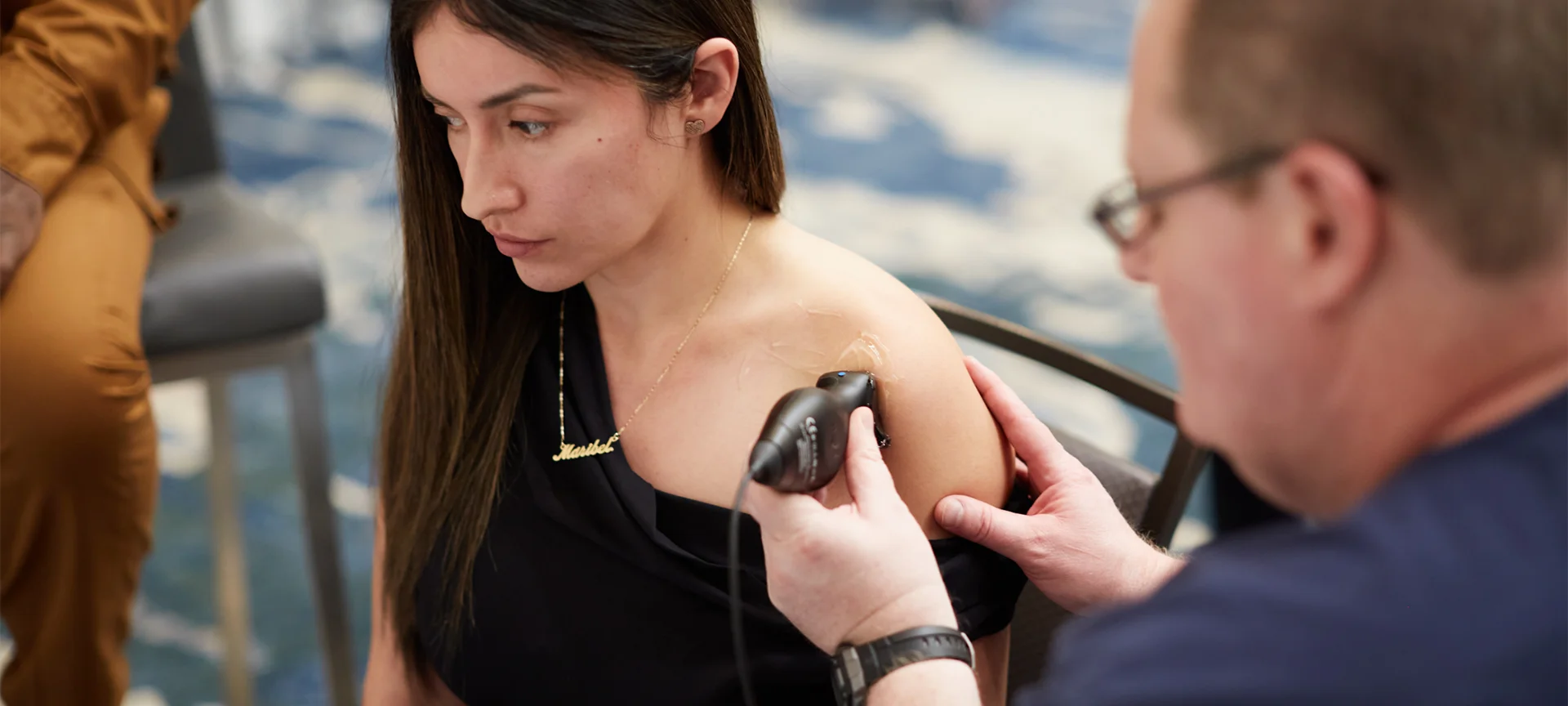
Empire's Spinal Manipulation Under Anesthesia Training for nurses provides access to an advanced interventional procedure that addresses the most treatment-resistant spinal pain cases. MUA is performed in ambulatory surgery center settings, and NPs with MUA certification are valuable team members who can assist with or perform these procedures under appropriate collaborative arrangements. This advanced skill positions you at the highest tier of pain management nursing practice.
Learn spinal and peripheral joint manipulation techniques performed under conscious sedation or anesthesia — an advanced intervention for treatment-resistant chronic pain and adhesive conditions.
MUA procedures take place in ambulatory surgery center environments. Empire trains you in the facility coordination, team roles, and anesthesia monitoring fundamentals required for this surgical setting.
Practice cervical, thoracic, lumbar, and sacroiliac MUA techniques under expert supervision. Develop the manipulation skills and clinical judgment for this advanced pain management intervention.
MUA certification positions you at the highest tier of pain management nursing. NPs with this advanced skill are exceptional candidates for the most specialized and highest-compensated positions.
Course Highlights
As a nurse pursuing the most advanced pain management skills, MUA certification distinguishes you at the highest level of interventional practice. These highlights show how this training positions you for elite career opportunities.
Curriculum Highlights
Master essential techniques and protocols through our comprehensive, CME-accredited curriculum designed for nurses & nurse practitioners.
Designed for Nurses
Nurses and NPs bring exceptional patient care skills, clinical assessment capabilities, and bedside manner to aesthetic and procedural medicine. These transferable competencies make nurses natural fits for injectable procedures, pain management interventions, and regenerative therapies. Adding procedural skills opens pathways to higher compensation, practice ownership, and career independence.
Registered Nurses (RNs) and Nurse Practitioners (NPs) are among the fastest-growing segments in aesthetic and procedural medicine. NPs in most states have independent or collaborative prescriptive authority, enabling them to administer neurotoxins, dermal fillers, and other injectable treatments. RNs can perform these procedures under physician supervision or collaborative agreements, depending on state regulations. Empire Medical Training's programs are designed to equip both RNs and NPs with the hands-on clinical skills and certification they need to practice confidently within their scope.
Upon completion, nurses receive a CME/CE-accredited certificate of completion recognized by state nursing boards nationwide. Credits apply toward license renewal and specialty credentialing requirements.
View upcoming dates, locations, and register for the next available session.
Witness inspiring firsthand accounts from Empire graduates, demonstrating that with the right training, success is inevitable.
This training caters to MDs, DOs, DMDs, DDS, NPs, RNs and other licensed healthcare professionals. The course is specifically designed for practitioners who have not been trained in spinal manipulation and want to add this nonpharmacologic pain management approach to their practice.
High-velocity low-amplitude (HVLA) spinal manipulation is an evidence-based, office-based manual therapy technique that applies a controlled, quick thrust to a specific dysfunctional joint. It is the primary osteopathic approach taught in this course for treating conditions such as sacroiliac dysfunction, lumbar facet syndromes, and disc-related pain that have not responded to conventional treatments.
The course covers treatment of sacroiliac joint dysfunction, palpable somatic dysfunction of the thoracic spine, range of motion loss, lumbar pain, sacrum-related pain, and lower back pain with or without leg pain. Pain sources addressed include muscle spasm and myofascial trigger points, joint lumbar facet degeneration and arthritis, and nerve-related radiculopathies and entrapment.
Yes, these are very safe procedures to perform with no real complications associated with proper training. The course teaches you to identify both relative and absolute contraindications, develop the psychomotor skills to minimize force and amplitude, and use sound clinical reasoning to determine when manipulation is or is not appropriate for each patient.
The Spinal Manipulation Therapies course is a 2-day, 16-hour program (8 hours per day). The format includes didactic instruction on clinical reasoning and evidence-based approaches combined with extensive hands-on practice to develop the technical skills required for safe and effective manipulation delivery.
A board-certified physician expert will teach this course, with other licensed healthcare professionals assisting where needed. The faculty provides direct supervision during hands-on practice to ensure you develop proper technique and biomechanics.
The course covers functional diagnostic testing including seated straight raise, supine straight leg raise, Kemp's Extension Test (rotate and lateral flux), deep tendon reflexes (patellar, Achilles), SI joint testing (Fortin finger test, FABER, SI compression), and muscle testing (hallux, eversion/inversion).
Absolutely. The course specifically covers pricing, packaging, and marketing strategies for incorporating spinal manipulation within your present practice. These procedures require no special equipment and can be performed in a standard office setting, making integration straightforward and cost-effective.
NP participation in MUA procedures depends on state scope of practice, facility credentialing requirements, and collaborative practice arrangements. NPs may perform MUA independently in some states with broad practice authority, while others require physician oversight. MUA certification is also valuable for NPs who assist with MUA procedures or manage pre- and post-MUA patient care in pain management practices.
MUA procedures are performed in ambulatory surgery centers or hospital outpatient departments where anesthesia services and patient monitoring are available. The course covers facility requirements, team coordination, and the role of nursing professionals in the MUA team. Understanding this surgical environment is essential for nurses participating in MUA programs.
MUA certification demonstrates the highest level of pain management procedural training for nursing professionals. NPs with MUA skills are qualified for the most specialized pain management positions, ASC-based practices, and collaborative pain management teams that treat the most complex patient cases. This advanced certification commands premium compensation and exceptional career opportunities.
Scope of practice varies by state. Nurse Practitioners (NPs) in many states have full independent practice authority including prescribing and administering injectables. Registered Nurses (RNs) typically require a collaborative or supervisory agreement with a physician. Empire's training provides the clinical certification; your ability to practice independently depends on your state nursing board regulations. Our team can help you understand the requirements in your state.
Nurses who complete procedural training can pursue roles in medical spas, dermatology practices, plastic surgery offices, pain management clinics, and regenerative medicine centers. Many NPs go on to open their own aesthetic practices. The combination of nursing clinical skills with procedural certification creates one of the most in-demand professional profiles in healthcare today.
Empire Medical Training's courses are CME/CE accredited through the ACCME, and the credits are recognized by state nursing boards nationwide for continuing education and license renewal purposes. The certification documents your hands-on training competency and can be presented to employers, credentialing committees, and malpractice insurance providers.
More Courses
Explore Empire Medical Training's full range of courses designed for nurses & nurse practitioners.
Why pay for a single workshop when you can attend up to 63 FREE!
With 28+ years in business the Empire Membership still remains the top choice for medical and dental professionals.
Members receive additional benefits and discounts!
End-Of-Month Spring Sale—Ends Thu, Apr 30
16+ Courses
Aesthetics & Functional Medicine
22+ Courses
Aesthetics, Functional Medicine
35+ Courses
All-InclusiveRecommended Preparation
Join our attendees in celebrating “far none, the best course [they’ve] ever been to.” Physicians and healthcare professionals will develop and perfect their Aesthetics skills in this “game-changing course.” This fully comprehensive seminar combines practical and immersive learning to avoid complications while performing injectable procedures. Course taught by board-certified physicians and renowned surgeons.
The program is approved for 8.0 AMA PRA Category 1 Credit™
Explore WorkshopEmpire Rewards Wheel