






GHK-Cu peptides have rapidly gained attention for their regenerative, anti-inflammatory, and collagen-supporting effects—making them a powerful addition to modern aesthetic and regenerative medicine. As a naturally occurring copper tripeptide, GHK-Cu plays a critical role in tissue repair, signaling skin remodeling, and modulating inflammation. For healthcare professionals exploring advanced topical or systemic peptide therapies, understanding the underlying mechanisms and evidence is essential for achieving safe, predictable outcomes.
This article synthesizes peer-reviewed research on GHK-Cu’s biological activity and its rapidly expanding applications in clinical aesthetics. While interest in injectable GHK-Cu is growing, current scientific literature primarily supports topical and systemic benefits, not specific injection protocols. Below, we examine what GHK-Cu actually does—and how clinicians can leverage peptide education through resources such as Empire Medical Training to elevate practice outcomes.
What Are GHK-Cu Peptides?
GHK-Cu is a naturally occurring copper-binding tripeptide that modulates tissue repair, collagen production, and cellular signaling in the skin.
GHK-Cu naturally occurs in human plasma, saliva, and urine, but levels drop with age. Topical products or protocols can help restore its youthful repair signals, making it a key GHK-Cu copper peptide in advanced skincare and post-procedure care.
What Does GHK-Cu Do for the Skin?
GHK-Cu boosts collagen, improves elasticity, and rebuilds skin structure while calming inflammation and stress. This leads to smoother texture, even tone, and better tolerance for procedures in a full GHK-Cu peptide benefits plan.
What the Science Says
GHK-Cu (glycyl-L-histidyl-L-lysine bound to copper) was first identified in human plasma in the 1970s. Research shows that this small tripeptide functions as a biological signaling molecule, activating pathways involved in wound healing, angiogenesis, and extracellular matrix remodeling.
Peer-reviewed studies demonstrate that GHK-Cu can:
- Stimulate fibroblast proliferation and collagen synthesis
- Increase glycosaminoglycan production
- Support wound contraction and remodeling
- Reduce oxidative stress and inflammation
A major review published in the International Journal of Molecular Sciences describes GHK-Cu as a compound that “resets gene expression to a healthier state,” influencing over 4,000 human genes involved in tissue repair and anti-inflammatory processes.
These biological properties explain why GHK-Cu is central to many advanced regenerative and aesthetic formulations.
How Do GHK-Cu Peptides Work in Skin Renewal?
GHK-Cu works by stimulating collagen synthesis, accelerating tissue repair, reducing inflammation, and improving overall skin integrity.
Collagen and Extracellular Matrix Remodeling
GHK-Cu activates fibroblasts, increasing the synthesis of:
- Type I and III collagen
- Elastin
- Proteoglycans
- Glycosaminoglycans (including hyaluronic acid)
This mechanism helps restore structural integrity, improving firmness, elasticity, and volume over time.
Can GHK-Cu Help With Wrinkles?
Because it targets collagen, elastin, and glycosaminoglycans, GHK-Cu is particularly relevant for patients concerned about fine lines and early photoaging. When combined with sun protection and a structured skincare plan, Ghk-Cu peptide results often include softer crow’s feet, smoother perioral lines, and more resilient skin quality, especially in patients who adhere to consistent daily use over several months.
Anti-Inflammatory Benefits of GHK-Cu
Studies show that GHK-Cu reduces levels of pro-inflammatory cytokines such as IL-6 and TNF-α. In aesthetic practice, reducing inflammation is crucial for supporting healing after procedures such as microneedling, laser resurfacing, and chemical peels.
Are There Side Effects to Topical GHK-Cu?
Topical GHK-Cu is usually well tolerated, but some patients may notice mild irritation or redness, especially after procedures or with strong actives. Starting slowly, protecting the skin barrier, and reporting any ongoing irritation helps keep users safe.
Antioxidant and DNA Repair Support
GHK-Cu has been shown to:
- Reduce oxidative damage
- Stimulate antioxidant enzymes
- Support DNA repair pathways
Evidence-Based GHK-Cu Peptide Benefits for Skin Health
Research supports several aesthetic and dermatological benefits, including improved firmness, reduced fine lines, and enhanced wound healing.
When patients ask about GHK-Cu peptide benefits, they are usually referring to a cluster of clinically observed effects: better firmness, smoother texture, more even tone, and improved tolerance for procedures. Clinicians can frame these outcomes as supportive and adjunctive rather than curative, emphasizing that GHK-Cu enhances the results of a comprehensive regimen rather than replacing cornerstone interventions such as sun protection, neuromodulators, or energy-based devices.
- Improved Skin Firmness and Elasticity
Clinical studies show that topical GHK-Cu enhances dermal thickness and elasticity, often outperforming retinoids in tolerability.
- Reduction of Fine Lines and Wrinkles
GHK-Cu stimulates collagen and glycosaminoglycan production, improving the appearance of photoaging.
- Enhanced Wound Healing
Its role in angiogenesis and cellular migration accelerates post-procedure recovery.
- Reduction in Hyperpigmentation and Redness
By modulating inflammation and promoting healthy turnover, GHK-Cu can help improve uneven tone and redness.
- Support for Hair Follicle Health
Some research suggests GHK-Cu may prolong the anagen (growth) phase of the hair cycle.
Does GHK-Cu Help with Acne Scars?
GHK-Cu helps remodel acne scars when added to microneedling, laser, or subcision protocols. It acts as a supportive topical for better collagen organization and healing, not a solo scar treatment.
Does GHK-Cu Help with Hair Growth?
GHK-Cu is often added to hair and scalp treatments to help support follicle health, density, and circulation. Early GHK-Cu peptide results look most promising when it is combined with therapies like PRP, exosomes, or low-level laser in carefully selected patients.
Overall, these benefits explain why peptide education is rapidly expanding through advanced training programs, such as those available in the Peptide Therapies Training Course offered through Empire—ideal for clinicians exploring next-generation regenerative modalities.
For clinicians who want deeper immersion into anti-aging protocols that integrate GHK-Cu alongside hormones, nutraceuticals, and lifestyle strategies, Empire’s Anti-Aging & Functional Medicine 3-Day Intensive Training provides a comprehensive framework.
GHK-Cu vs. Other Peptides in Aesthetics
GHK-Cu is unique because it combines regenerative, anti-inflammatory, and antioxidant effects in one naturally occurring molecule.
GHK-Cu stands out because it works on many repair pathways at once, not just a single skin target. This broader action helps explain why GHK-Cu copper peptide benefits show up in skin rejuvenation, wound healing, and even some hair and scalp protocols, while many other peptides focus on only one effect.
How It Differs From Common Aesthetic Peptides
|
Peptide |
Primary Actions |
Key Difference vs GHK-Cu |
|
Argireline |
Neuromodulating, wrinkle relaxation |
Does not regenerate tissue |
|
Matrixyl |
Collagen stimulation |
Less multi-pathway signaling |
|
Copper-free peptides |
Moisturizing, mild repair |
Lack copper-mediated regenerative activity |
GHK-Cu’s ability to influence gene expression, stimulate multiple repair pathways, and deliver copper directly into cells distinguishes it from synthetic peptides commonly used in topical formulations.
How does GHK-Cu compare to other peptides?
GHK-Cu is best explained as a “regeneration” peptide that helps the skin repair and rebuild itself, while Botox-like or simple collagen-boosting peptides usually focus on one specific action. GHK-Cu peptide benefits work alongside neuromodulators, fillers, and rather than replace them. Clinicians can learn how to combine these tools effectively through Empire’s aesthetic workshops.
Are GHK-Cu Injections Supported by Clinical Evidence?
While consumer and clinician interest in how to use GHK-Cu peptide injections is increasing, peer-reviewed research on injection protocols remains limited.
Current Research Limitations
Most clinical studies on GHK-Cu involve:
- Topical formulations
- In vitro research
- Animal models
- Systemic (non-injectable) delivery
There is insufficient evidence in peer-reviewed literature to support:
❌ standardized injection techniques
❌ validated injectable dosing regimens
❌ long-term safety or efficacy data for injectable use
As a result, clinicians should approach injectable discussions with caution and rely on evidence-based peptide education rather than anecdotal protocols.
Is GHK-Cu Safe to Use?
Most available safety data indicates that GHK-Cu peptide injections are generally safe to use under medical supervision, and adverse effects are generally mild.
Is There Evidence for GHK-Cu Injections?
Emerging data show promise for GHK-Cu's regenerative effects, but larger trials are needed for optimal dosing and safety. When patients ask how to use GHK-Cu peptide injections, stress medical supervision only and share Empire’s injectable peptide overview.
Clinicians seeking structured, medically responsible training in advanced regenerative therapies often pursue courses in functional medicine, where peptides like GHK-Cu are discussed within broader biological frameworks.
Safety Considerations and Contraindications
GHK-Cu is generally well-tolerated in topical form, but caution is warranted in patients with certain sensitivities or systemic conditions.
Topical Use Safety Profile
Studies report minimal side effects, though mild irritation may occur in sensitive individuals.
Copper Sensitivity
Patients with copper allergies or disorders of copper metabolism require additional caution.
Pregnancy and Breastfeeding
Topical use is considered low-risk, but definitive clinical safety data are limited.
Systemic Use
Systemic or injectable use should never occur without medical oversight and established clinical evidence. Providers should also review patient histories for:
- Metalloprotein disorders
- Kidney or liver impairment
- Preexisting inflammatory conditions
Are There Side Effects to Topical GHK-Cu?
Most adverse events reported with topical GHK-Cu are limited to localized redness, tingling, or irritation. Patients who have highly reactive or barrier-impaired skin should introduce any new GHK-Cu copper peptide product gradually and avoid combining it with strong exfoliants, retinoids, or aggressive in-office treatments.
How Clinicians Can Integrate GHK-Cu Into Their Aesthetic Practice
So, what are GHK-Cu peptides used for? It is most used in topical formulations, adjunctive post-procedure care, and comprehensive regenerative protocols.
Topical Aesthetic Uses
GHK-Cu serums and creams are often integrated into:
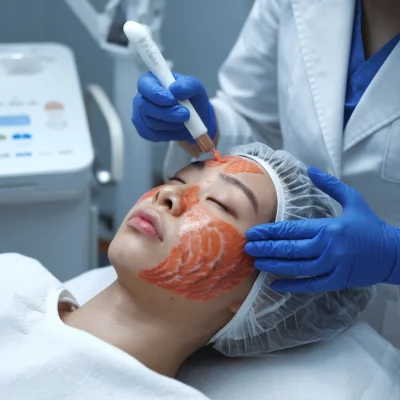
- Post-microneedling protocols
- Post-laser healing
- Anti-aging skincare regimens
- Sensitive skin barrier support
- Acne scar recovery plans
Adjunctive Regenerative Support
Used alongside modalities such as:
- PRP
- Exosomes
- Energy-based devices
- Chemical resurfacing
GHK-Cu may help enhance healing and reduce inflammation, although more comparative research is needed.
Education and Training
Providers advancing into peptides often begin with structured training that covers:
- Peptide mechanisms and pathways
- Evidence-based applications
- Contraindications
- Patient selection
- Legal and regulatory considerations
Can GHK-Cu Be Combined With Other Regenerative Treatments?
In practice, GHK-Cu is often layered with PRP, exosomes, and lasers as part of combination protocols aimed at accelerating recovery and enhancing visible outcomes.
Conclusion
GHK-Cu peptides represent an exciting frontier in regenerative skincare, offering clinically supported benefits in collagen production, wound healing, and inflammation reduction. While injectable interest continues to rise, current evidence supports the use of topical and systemic formulations—not specific injection protocols. As demand for advanced peptide therapies grows, clinicians must rely on rigorous, evidence-based education to ensure safe and effective integration.

 Claim Your Prize!