






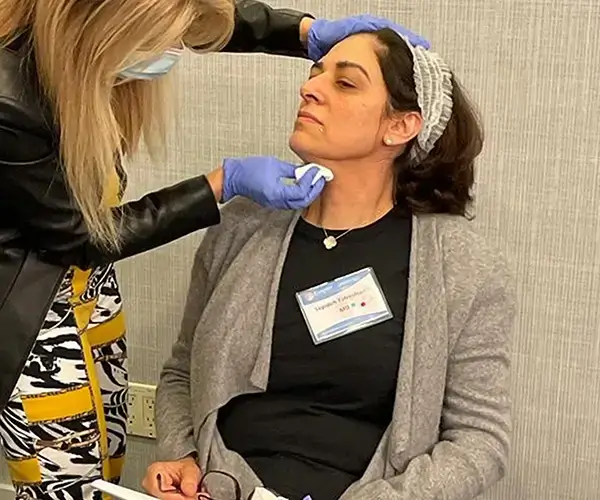
Keloid scar tissue is unsightly and uncomfortable. It’s especially troublesome when it forms in highly visible areas where the skin is tighter, such as the forearms, lower legs, and ear piercing area.
Keloids develop when the body produces excess collagen during the wound-healing process, causing raised, thickened scar tissue that grows beyond the original injury site. They most commonly form after piercings, surgical incisions, acne breakouts, burns, or traumatic skin injuries. Individuals with darker skin tones or a family history of keloids face a significantly higher risk, with studies estimating prevalence rates of up to 15% to 20% in certain populations (NIH).
Treatment options abound to reduce the size of keloids or remove them altogether. None are guaranteed to work, and many have potential side effects, but the right combination can produce positive results.
Patients searching for how to get rid of keloids often want fast, affordable solutions that can be done at home. While some home remedies for keloids may help flatten scars naturally or improve texture and color over time, more advanced or rapidly growing keloids often require medical intervention for meaningful, lasting improvement.
Can You Get Rid of a Keloid Scar Completely?
Completely eliminating a keloid scar is challenging, especially without professional keloid scar treatments. In many cases, the realistic goal is not total removal, but rather flattening the scar, reducing redness, relieving itching or discomfort, and preventing further growth.
Clinical data shows that surgical excision alone carries recurrence rates ranging from 45% to nearly 100%, depending on scar location and patient risk factors (NIH). However, when surgery is combined with corticosteroid injections, silicone therapy, laser treatments, or radiation, recurrence rates drop substantially. For patients curious how to flatten keloid scars naturally or how to get rid of keloid scars at home, early intervention and consistent treatment offer the best chance of visible improvement.
Home Keloid Remedies — Do They Work?
Many patients swear by home remedies for keloid scars. Are they onto something?
If you’re wondering, “how to get rid of keloids from piercings at home“ or “how to remove keloids fast“, it’s important to know that home keloid remedies can’t help if your goal is the total removal of keloids from visible areas of your body. However, they may reduce keloid size or help them blend into the surrounding skin.
Crushed Garlic
At least one study suggests crushed garlic can block scar-promoting enzymes from entering keloid scar tissue, reducing its growth, making its appearance less noticeable against the skin, and potentially reducing its size over time. Apply two or three crushed cloves daily for 15 minutes, rinse off with water, and apply moisturizer to the area.
When results occur, they typically appear after 4 to 8 weeks of consistent daily use and are most noticeable in smaller, newer scars.
Onion Extract
Multiple studies suggest onion extract — juice squeezed from cut onions — blocks scar-forming action and may reduce the size of keloids over time. But this method is more labor-intensive, requiring three to four applications (and probably multiple onions) per day until the tissue visibly improves.
Commercial onion-extract gels applied twice daily for 8 to 12 weeks may offer similar benefits with greater consistency and ease of use (NIH).
Raw Honey
Raw honey is easier to prepare than onion extract, but the evidence for it isn’t quite as strong. Natural medicine providers recommend two to three applications per day with water rinses in between.
This approach is generally best suited for mild keloids and may help improve hydration and skin flexibility rather than significantly reduce scar volume.
Crushed Aspirin
Crushed aspirin blocks scar-forming enzymes and cells, reducing scar size and appearance over time (NIH). You’ll need to crush up to four pills (depending on the scar’s size) and mix with water to form a thick paste. Leave the paste on the scar for up to two hours, then wash with water.
This method is typically limited to superficial scars and should be avoided on broken skin or sensitive areas such as the earlobe.
Which Keloid Treatments Work Best for Different Scar Types
Not all keloids respond the same way to treatment. Smaller, early-stage scars often respond best to silicone gel, pressure therapy, or topical corticosteroids. One way to treat hypertrophic or keloid scarring caused by ear piercings includes compression earrings combined with steroid injections, particularly when treated within the first 3 to 6 months of formation.
Larger or long-standing keloids on the chest, shoulders, or back often require more aggressive approaches, such as laser therapy, cryotherapy, or surgical removal paired with adjuvant treatments. Understanding scar type, location, and duration is essential when determining whether keloid removal at home is realistic or if clinical intervention is warranted.
Medical Remedies to Reduce Keloids
If home remedies don’t work as desired, consider medical treatment options like:
-
Topical corticosteroids or retinoid cream: This is a good starting point that doesn’t require medical supervision (though more powerful steroid creams and retinoid creams may require a prescription).
-
Injected corticosteroids: This method delivers higher steroid doses to the scar itself and generally has better results than topical application. Clinical studies show volume reductions of 50% to 80% after multiple sessions.
-
Silicone sheeting or gel: A noninvasive option that doesn’t require direct medical supervision.
-
Cryotherapy: Freezes small keloids, making them easier to remove in a clinical setting.
-
Laser treatment: Typically involves multiple pulsed-laser sessions over several months.
-
Radiation treatment: Often used after surgical excision to reduce recurrence.
-
Surgical removal: Best paired with adjunct therapies to limit regrowth.
When to See a Specialist Instead of Treating Keloids at Home
While some people like the idea of learning how to get rid of keloids at home, there are situations where professional care is necessary. If a keloid continues growing, becomes painful, restricts movement, or shows no improvement after 3 to 6 months of consistent at-home care, it’s time to consult a trained medical professional. Rapid growth, intense itching, or recurring keloids often point to the need for injectable or procedural interventions performed by licensed providers trained in scar management.
How to Prevent New Keloids After Piercings or Surgery
Finally, prevention is often the best medicine for how to get rid of keloids.
Early intervention within the first 4 to 6 weeks after skin trauma is critical, especially for patients prone to keloid formation following piercings or surgical procedures. Strict wound care protocols can significantly reduce risk:
-
Thoroughly clean the wound daily
-
Use compression dressings or silicone sheets to reduce blood flow and collagen buildup
-
Wear dressings for 12 to 24 hours per day, including during sleep
-
Continue treatment for up to 6 months or until healing is complete
These protocols help speed up the healing process after surgery or deep wounds and can significantly reduce the risk of noticeable keloid scars.
For healthcare professionals, mastering proper injection techniques, laser protocols, and post-procedure scar prevention strategies is essential to delivering optimal patient outcomes. Specialized, hands-on training ensures providers can safely address keloid concerns while meeting growing patient demand for effective aesthetic treatments.


 Claim Your Prize!