






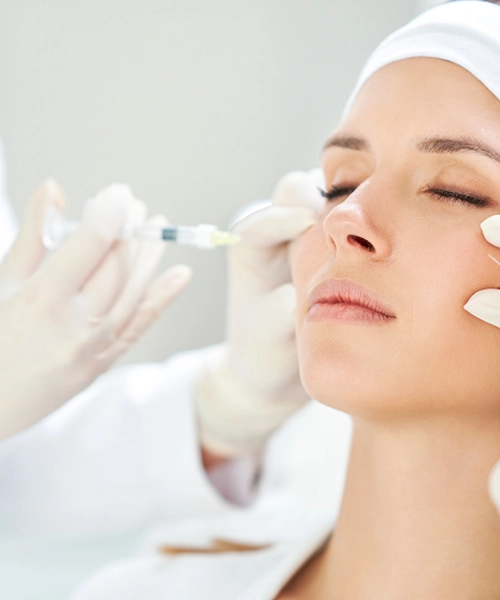
Peptide therapy has emerged as one of the fastest-growing regenerative and aesthetic treatments, with search volume surging for terms like peptide injections and injectable peptides. As demand rises among aesthetic patients seeking healthier skin, improved energy, and enhanced tissue repair, providers are increasingly adopting peptide protocols as a complement to cosmetic injectables, hormone optimization, and regenerative medicine.
Clinicians exploring how to integrate peptides into their practice can benefit from Empire Medical Training’s expansive resources. In this guide, we’ll explain what peptide therapy is and also explain its mechanisms, indications, and safety considerations. Additionally, we’ll explore potential clinical applications of peptide injections —specifically for aesthetic outcomes such as collagen remodeling (your skin’s process of rebuilding supportive structure), skin tightening, reduced inflammation, and improved recovery. You’ll also discover which peptides are best supported by evidence and how to safely implement protocols that enhance overall patient results.
What Is Peptide Therapy in Aesthetics?
Peptides play regulatory roles in virtually every biological system, and their clinical utility extends into dermatology, anti-aging, endocrine therapy, and regenerative medicine. Healthcare providers enrolled in Empire Medical Training’s dedicated program—such as the Peptide Therapies Training workshop—learn evidence-based protocols for aesthetic and metabolic optimization.
What Are Injectable Peptides?
Injectable peptides are short amino acid chains that act as signaling molecules, stimulating biological pathways tied to collagen production, healing, fat metabolism, and cellular repair. They complement aesthetic treatments by improving tissue quality, reducing inflammation, and enhancing overall skin rejuvenation.
How Peptide Injections Work
Peptides function as targeted messengers that bind to cell receptors and activate specific physiological responses. Peptides function as targeted messengers that bind to cell receptors and activate specific physiological responses. Peptides function as targeted messengers that bind to cell receptors and activate specific physiological responses.
What Are Peptide Injections Used for in Aesthetics?
These short chains of amino acids can signal the body to produce collagen, stimulate cell repair, or regulate inflammation. In aesthetics, this allows practitioners to influence skin health and elasticity at a cellular level, rather than simply smoothing over imperfections.
The primary mechanisms of injecting peptides in aesthetics include:
1. Collagen Stimulation
Certain peptides (e.g., GHK-Cu) upregulate fibroblast activity (the skin’s collagen-producing cells) and trigger collagen types I and III, which are essential for youthful skin structure. This process helps restore fitness and reduces the appearance of fine lines and wrinkles.
2. Enhanced Cellular Repair
Peptides like BPC-157 promote angiogenesis, which refers to the formation of new blood vessels that support healing. Additionally, they can repair micro-tears in tissue and accelerate post-procedure healing.
3. Fat Metabolism Modulation
Some peptides (e.g., CJC-1295 + Ipamorelin) increase growth hormone pulsatility, indirectly supporting improvements in body composition, tissue repair, and skin quality. This also contributes to firmer, more balanced facial contours while supporting systemic regeneration.
4. Anti-inflammatory Effects
BPC-157 and thymosin beta-4 reduce inflammatory cytokines (the chemical signals that trigger redness and swelling)—key in skin recovery and post-laser or microneedling repair. These peptides can help minimize downtime and optimize overall treatment outcomes.
5. Improved Mitochondrial Function
Peptides such as MOTS-C support metabolic balance and energy efficiency, which can benefit tired, inflamed, or aging skin.
These mechanisms explain why injectable peptides are increasingly paired with cosmetic procedures, anti-aging protocols, and regenerative treatments.
Peptide therapies reinforce the signals the body already uses to regulate fat use, muscle preservation, and cellular repair. By strengthening these signals, peptide therapy helps create a more favorable environment for healing, fat reduction, and aesthetic enhancement.
Best Peptides Used in Aesthetics (By Goal)
Below are the most clinically relevant peptides for aesthetic practices, based on current research and provider demand.
1. GHK-Cu (Copper Peptide)
GHK-Cu (Copper Peptide) is a naturally occurring compound in human plasma and saliva that plays a vital role in skin regeneration and tissue remodeling.
Benefits:
-
Stimulates collagen and elastin
-
Enhances wound healing
-
Improves fine lines, texture, and pigmentation
This peptide therapy is often used in mesotherapy-style injections, microneedling serums, and post-procedure repair due to its potent anti-inflammatory and regenerative properties.
2. CJC-1295 + Ipamorelin
A synergistic peptide combination that elevates endogenous growth hormone pulses, which is the body’s natural rhythm for releasing growth hormone.
Aesthetic effects:
-
Increased collagen synthesis
-
Improved skin elasticity
-
Enhanced fat metabolism
-
Faster recovery from energy-based procedures
By promoting controlled growth hormone release, this peptide injection supports systemic rejuvenation and tissue repair without suppressing natural hormonal feedback loops.
3. BPC-157
Known for accelerated repair at the muscular, dermal, and gastrointestinal levels.
Aesthetic applications:
-
Post-laser healing
-
Post-microneedling recovery
-
Reducing inflammation after threads or PRP
This powerful healing injectable peptide enhances fibroblast migration and angiogenesis, which are foundational for tissue restoration. It often helps minimize downtime and enhance recovery time. An authoritative reference from the National Institutes of Health notes BPC-157’s contribution to angiogenesis and tissue repair, underscoring its regenerative potential (NIH).
An authoritative reference from the National Institutes of Health notes BPC-157’s contribution to angiogenesis and tissue repair, underscoring its regenerative potential (NIH).
4. Thymosin Beta-4 (TB-500)
Benefits:
-
Reduces inflammation
-
Promotes actin upregulation
-
Accelerates wound healing
-
Supports hair follicle activation
Providers often combine TB-500 with exosome therapy or PRP for scalp rejuvenation. This peptide therapy’s ability to mobilize stem cells and remodel extracellular matrices makes it useful for improving tissue integrity and reducing redness following a procedure.
How Long Do Peptide Injections Take to Work?
While results vary for aesthetic-based peptides, collagen-stimulating peptides may take 4–8 weeks, while recovery peptides like BPC-157 work within days.
Clinical Indications for Injectable Peptides in Aesthetic Medicine
Peptide therapies are frequently utilized to enhance or complement:
-
Facial rejuvenation
-
Skin tightening
-
Collagen induction
-
Body contouring protocols
-
Post-procedure healing
-
Hair restoration
-
Recovery after surgical or minimally invasive treatments
-
Hormone optimization and energy balance
Can Peptides Replace Cosmetic Injectables?
While peptides can enhance results, they do not replace fillers or neurotoxins, meaning they often deliver the best results when paired with cosmetic injectables.
Peptide therapy is especially beneficial in patients with oxidative stress (cellular strain caused by aging, inflammation, or environmental damage), impaired wound healing, or poor tissue quality.
Which Peptides Are Best for Skin Tightening?
Skin tightening is one of the most popular forms of aesthetic therapy. For best results, GHK-Cu, CJC-1295 + Ipamorelin, and PDRN are widely used for firmness and dermal remodeling.
Do Peptide Injections Help with Post-Procedure Recovery?
A peptide injection can be highly effective in post-procedure recovery due to its ability to reduce inflammation and accelerate tissue repair. More specifically, BPC-157 and TB-500 show the most promising results overall when it comes to recovery.
Can Peptide Therapies Help with Energy and Metabolism?
Growth-hormone–releasing peptides and mitochondrial peptides like CJC-1295 + Ipamorelin improve metabolic function and vitality by prolonging the release of GH without raising cortisol levels.
Peptide Combinations That Deliver Superior Aesthetic Results
Peptides + Microneedling
GHK-Cu, PDRN, and growth hormone–modulating peptides enhance dermal thickening and post-procedure collagen remodeling.
Peptides + Lasers & RF Microneedling
BPC-157 and TB-500 reduce inflammation and shorten downtime, supporting optimal tissue recovery.
Peptides + Thread Lifts
Peptides improve fibroblast activation, supporting longer-lasting tightening results.
Peptides + Hormone Optimization
Many peptide pathways interface with endocrine systems; combining therapies can improve energy, sleep, metabolism, and skin health.
Safety Considerations & Contraindications
While peptides exhibit strong safety profiles, clinicians must follow best practices, such as being aware of contraindications and monitoring specific parameters. This can include:
Contraindications:
-
Active malignancy
-
Pregnancy or lactation
-
Uncontrolled endocrine disorders
-
History of hypersensitivity to peptide components
Monitoring parameters:
-
IGF-1 levels for GH-secretagogue peptides
-
Thyroid and metabolic markers
-
Injection-site reactions
-
Inflammatory symptoms or unusual fatigue
Proper patient selection and standardized dosing are crucial to avoid overstimulation of growth pathways.
Are Injectable Peptides Safe?
When prescribed by trained medical providers, peptides are generally safe, with low rates of adverse reactions. While most peptide injections are well tolerated, providers should still review individual health histories, assess for metabolic or endocrine disorders, and set realistic expectations for patients.
For clinicians looking to integrate peptide-based protocols alongside other regenerative treatments, the Anti-Aging Training programs provide foundational knowledge in metabolic and hormonal optimization.
How to Integrate Peptide Therapy Into Your Aesthetic Practice
Peptides can support tissue repair, improve procedure tolerance, and enhance long-term skin quality, making them a natural addition to injectables, lasers, and regenerative therapies. With a mindful approach to patient selection and treatment timing, providers can use injecting peptides as a way to enhance overall outcomes for a wide range of aesthetic services.
1. Start With High-Demand Protocols
-
Skin tightening (GHK-Cu)
-
Energy and metabolism support (CJC-1295 + Ipamorelin)
-
Post-procedure healing (BPC-157)
2. Create Combined Treatment Packages
Offer peptide add-ons with procedures such as:
-
PRP facials
-
Cosmetic threads
-
RF microneedling
-
Laser resurfacing
-
Hair restoration
3. Educate Patients
Explain how peptides work at a cellular level to support aesthetic results.
4. Maintain Compliance
Follow FDA guidance, sourcing requirements, and proper compounding regulations. While few peptides are formally approved for aesthetic use, most are used off-label under physician supervision.
Train in Peptide Therapy and Regenerative Aesthetics
Injectable peptides offer one of the strongest opportunities for growth in aesthetic and regenerative medicine. Providers who understand dosing, protocols, and combination therapies can deliver superior outcomes while expanding their practice’s revenue potential.
Clinicians ready to master peptide protocols can enroll in Empire’s hands-on, evidence-based Peptide Therapies Training workshop. Gain the skills to confidently administer injectable peptide treatments, improve patient outcomes, and elevate your aesthetic practice.
 Claim Your Prize!