






Microneedling with exosomes has become one of the most sought-after regenerative aesthetic procedures in recent times. This is because patients want next-generation treatments that outperform platelet-rich plasma (PRP), accelerate healing, and achieve deeper skin rejuvenation with minimal downtime involved.
If you’re a provider looking to incorporate microneedling-exosome protocols into your practice, Empire Medical Training offers comprehensive, hands-on training in functional medicine, aesthetics, and pain management.
We’ll delve into the science, benefits, protocols, safety, and ideal candidates for using exosomes and microneedling as a cutting-edge regenerative aesthetic treatment.
What Is Microneedling with Exosomes?
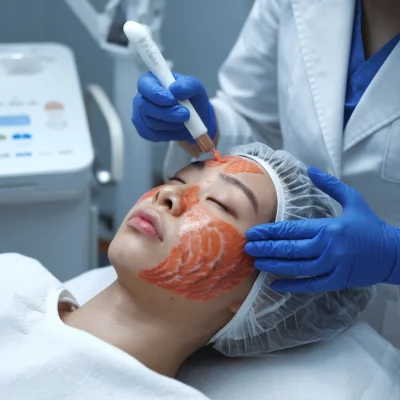
Exosomes with microneedling is a regenerative treatment that essentially blends controlled micro-injuries to the skin with a potent topical or injectable application of stem-cell–derived exosomes.
These extracellular vesicles deliver powerful regenerative and signaling molecules, including peptides, mRNA, and growth factors. Together, these components enhance collagen remodeling, speed up healing, decrease inflammation, and improve skin tone, texture, and elasticity.
With Empire, providers like you can get certified in exosome therapy and microneedling, learning hands-on protocols from our expert, globally recognized instructors nationwide.
How Exosome Microneedling Works
Microneedling creates microchannels in the epidermis and dermis. When exosomes are applied immediately afterward, they penetrate deeply and deliver concentrated regenerative signals to promote:
1. Enhanced Collagen Stimulation
Exosomes activate fibroblasts, increasing production of collagen types I and III, which strengthen the skin’s extracellular matrix.
2. Faster Healing and Reduced Downtime
Exosomal anti-inflammatory cytokines dramatically decrease redness, swelling, and irritation. Unlike PRP, which is often dependent on patient variability, exosomes provide standardized, potent regenerative signaling that enhances collagen remodeling, reduces inflammation, all while improving overall skin quality.
3. Improved Cellular Communication
Exosomes deliver microRNA and signaling molecules that stimulate repair, regulate pigmentation, and elevate dermal density.
4. Increased Angiogenesis
Exosomes are instrumental in accelerating angiogenesis, the process of creating new blood vessels from old ones. As a result, new blood vessel formation improves circulation and enhances skin vitality.
5. Elevated Growth Factor Concentration
Exosomes contain significantly higher growth factor levels than most PRP samples for more standardized consistency. The National Institutes of Health (NIH) asserts the critical role exosomes play in tissue repair, immune modulation, and collagen remodeling.
Microneedling with Exosomes vs. PRP: What’s the Difference?
Exosomal therapy and PRP (more commonly referred to as a “vampire facelift”) are both non-surgical treatments that promote skin rejuvenation. However, they have some key distinctions in terms of their overall potency and health outcomes:
|
Feature |
Microneedling and Exosomes |
Microneedling and PRP |
|
Regenerative potency |
|
|
|
Inflammation control |
|
|
|
Growth factor variability |
|
|
|
Downtime |
|
|
|
Visible improvement |
|
|
|
Collagen induction |
|
|
|
Best for |
|
|
As you can see above, exosomes outperform PRP in nearly all categories by providing stronger regenerative benefits, accelerated healing rates, and more consistent results.
Overall, exosomal therapy is especially ideal for patients seeking faster, more dramatic improvement to their skin without additional recovery periods.
Benefits of Microneedling With Exosomes
There are several microneedling with exosomes benefits, such as:
1. Significant Reduction in Fine Lines and Wrinkles
Exosomes stimulate fibroblast activity, boosting dermal thickness and reducing creases.
2. Superior Scar Remodeling
Exosomes are particularly useful for improving scar remodeling and dermal thickness, helping with:
-
Acne and surgical scars
-
Texture irregularities
-
Patients who are keloid-prone
3. Brighter and More Even Skin Tone
Exosomes regulate melanin activity and lower inflammation, aiding with correcting pigment disorders.
4. Improved Elasticity and Firmness
Enhanced collagen and elastin synthesis can improve skin tightness and encourage a more youthful appearance.
5. Faster Healing After Laser or RF Treatments
By combining microneedling with exosome therapy and resurfacing post-laser treatment, healthcare practitioners can accelerate healing rates and enhance outcomes while significantly reducing their patients’ downtime and discomfort.
What To Expect When Microneedling With Exosomes Before and After
Here’s what your patients can expect while you perform microneedling with exosomes before and after on them:
Before Treatment
Advise your patient to avoid taking retinoids (skincare products and medication containing Vitamin A) and nonsteroidal anti-inflammatory drugs (NSAIDs) 48 to 72 hours before undergoing treatment. These drugs can increase skin sensitivity and irritation, potentially leading to bruising and internal bleeding. They should also stay well-hydrated while you ensure there aren’t any active infections or acne flare-ups pre-microneedling.
After Treatment
Your patients can expect to see noticeable outcomes in a matter of days and beyond once treatment is complete.
Visible Results
Days 1–3
Exosomes usually remain on the skin for 12 hours to maximize absorption. During this time, your patient might have some minor reactions, such as mild redness and light swelling, which typically last for about 12 to 24 hours.
Days 3-7
Your patient’s skin may experience an initial glow within 3 to 7 days.
Weeks 1–2
Your patient can expect to see significant improvement with their skin’s general appearance around weeks 1 and 2.
Weeks 2–4
From there, they’ll experience positive texture and pigment changes between weeks 2 and 4.
Weeks 8–12
Finally, full collagen remodeling for your patient should occur after 8 to 12 weeks.
Overall, before-and-after transformations generally lead to positive skincare outcomes, such as:
-
Smoother texture
-
Reduced scarring
-
Brighter and more even complexion
-
Reduced pore size
-
Improved firmness
Patients often compare microneedling with exosomes results to “PRP on steroids”, with dramatically faster healing and more noticeable skin renewal in contrast with PRP and similar treatments.
Treatment Protocols and Administration Techniques
Here are some treatment protocols and administration techniques you should follow as a healthcare professional who performs microneedling exosomal therapy:
1. Depth Selection Based on Treatment Area
There are three main microneedling depths that will ultimately determine the type of skin rejuvenation you’re trying to accomplish:
|
Treatment Type |
Depth |
Uses |
|
Shallow Microneedling |
|
|
|
Medium Microneedling |
|
|
|
Deep Microneedling |
|
|
When it comes to choosing DIY devices vs. professional microneedling and dermal rolling, we always recommend letting an expert healthcare practitioner perform this type of therapy. At Empire Medical Training, medical professionals undergo live injection training with real volunteers under the direct supervision of expert physicians, helping them administer injections, including microneedling, safely and accurately.
2. Exosome Application Techniques
Exosomes may be applied:
-
Topically: Applying exosomes topically is the most common format immediately post-microneedling.
-
Intradermal Injection: Injecting exosomes intradermally (into the skin layer beneath the surface) is optimal for enhanced scar and wrinkle correction.
-
Layering: Some providers may opt to layer exosomes with PRP, PDRN, or peptides.
3. Frequency of Treatments
Most healthcare professionals perform microneedling and exosomes on their patients for 3 to 6 treatments every 4 weeks, with maintenance occurring every 3 to 6 months thereafter.
We encourage practitioners to enroll in Empire’s advanced microneedling workshops and beyond to get hands-on experience with regenerative protocols and expand their skincare treatments.
Safety and Contraindications
Microneedling with exosomes is generally safe with minimal adverse effects, including:
|
Temporary Reactions |
Contraindications |
|
|
By utilizing high-quality, verified exosome sourcing and sterile techniques, trained healthcare professionals can avoid most of these potential risk factors.
Who Is an Ideal Candidate for Exosome Microneedling?
Exosome microneedling is an excellent treatment option for patients seeking improvement in:
-
Fine lines and wrinkles
-
Pigmentation and melasma
-
Acne scars and texture issues
-
Enlarged pores
-
Dull or aging skin
-
Post-laser healing
-
Laxity or thinning skin
Utilizing microneedling and exosomes is also a great option for patients who previously plateaued with PRP. Getting proper microneedling training can help providers like you give your patients optimal skin rejuvenation outcomes.
Become Certified in Exosome Microneedling Techniques With Empire Medical Training
Microneedling with exosomes is currently one of the most advanced regenerative pathways available in aesthetic medicine. This treatment delivers superior collagen induction, faster healing, and more dramatic results than PRP and similar therapies.
If you’re ready to integrate exosomal microneedling into your practice, you can enroll in Empire Medical Training’s comprehensive, hands-on aesthetic workshops and more. Learn proven protocols, combination techniques, and regenerative strategies with our world-renowned expert instructors to elevate your aesthetic outcomes and clinical expertise today.


 Claim Your Prize!