





Demand for healthcare professionals shows no signs of slowing down. According to the U.S. Bureau of Labor Statistics, the healthcare workforce is expected to grow by 16% between 2020 and 2030.
That translates to millions more jobs in the field. It also means more opportunities for current healthcare professionals looking to level their skills, increase their earning power, and find more fulfilling work.
For professionals who enjoy working in clinical settings, one increasingly popular path is to become a licensed medical aesthetician. Here’s what you should know about the field of medical esthetics, state-required licensing, and finding the ideal job.
What Is a Medical Aesthetician?
So, what do aestheticians do? A medical aesthetician is a skincare professional trained to perform advanced cosmetic and skin health services within clinical or medically supervised environments.
The differences between medical aestheticians and estheticians are that, unlike traditional spa estheticians, these professionals work closely with physicians, nurses, and other medical specialists. Aestheticians support treatment plans, assist with pre- and post-procedure care, and deliver results-driven services. Their focus is typically on corrective and therapeutic skin care rather than relaxation-focused treatments.
Where Do Licensed Medical Aestheticians Work?
Medical aestheticians typically work in medical spas, plastic surgery clinics, or other outpatient settings under the supervision of a licensed, board-certified physician or dentist. They may also work in dermatology clinics, integrative wellness centers, oncology departments, or concierge-style medical practices that offer aesthetic services.
Settings vary by state laws and the scope of the facility, but the common thread is that each location provides medically oriented cosmetic care.
Licensed Medical Aesthetician Duties and Expectations
Medical estheticians perform minimally invasive skin-care treatments such as:
-
Microdermabrasion
-
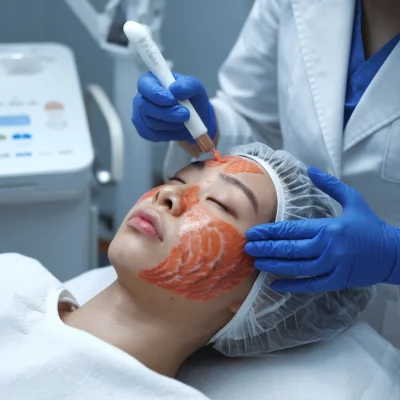
Chemical peels
-
Pre- and post-surgical skin care
-
Treatment for certain chronic skin conditions, such as acne
-
Permanent makeup
They may also provide other minimally invasive services, such as manual lymphatic drainage.
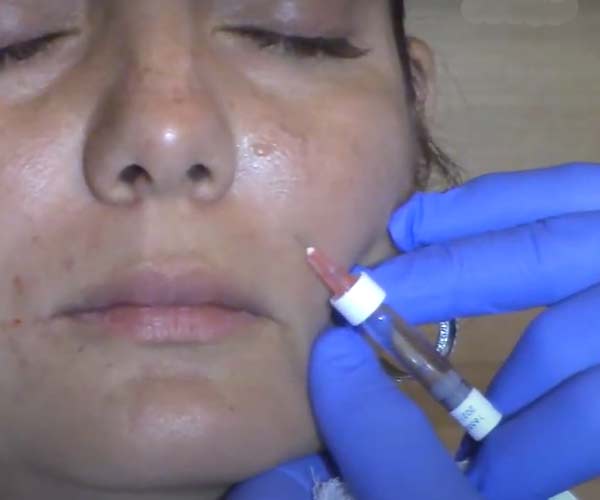
Depending on state regulations and any other certifications or credentials, medical aestheticians may also be permitted to administer minimally invasive injectable treatments such as Botox® and dermal fillers. However, most states require injectors to have more advanced medical credentials, such as nursing licenses, physician assistant licenses, or medical degrees.
Common Treatments and Procedures Performed by Medical Aestheticians
In addition to the procedures listed above, medical aestheticians often assist with or perform:
-
Advanced chemical resurfacing
-
LED light therapy
-
Laser facials and skin-rejuvenation therapies
-
Acne scar-management treatments
-
Non-ablative skin tightening
-
Medical-grade skincare consultations and treatment planning
-
Pre-operative cleansing and preparation of treatment areas
-
Supporting providers during aesthetic procedures by documenting, prepping tools, or managing patient flow
These treatments require an understanding of corrective skincare, anatomy, wound healing, and medical-grade product ingredients, which differentiates medical aestheticians from spa-only providers.
Incorporating advanced techniques such as chemical resurfacing or laser therapies often requires advanced facial aesthetics training. Empire’s Complete Facial Aesthetics program provides top facial classes for aestheticians and cosmetologists.
Medical Aesthetician Requirements and Certifications
Medical aestheticians must first complete their state-approved esthetics program and pass all required practical and written exams. Additional certifications may include:
-
Laser technician training
-
Chemical peel certification
-
Microneedling certification
-
Advanced medical device training (radiofrequency, IPL, etc.)
-
Oncology esthetics training
-
Bloodborne pathogen certification
Professional requirements vary by state, which is why researching medical esthetician requirements is a necessary early step in the process.
Become a Medical Aesthetician — How to Get a License
If you’ve ever found yourself curious about questions such as “What does an aesthetician do?” and “Would I be a good fit?”, you should consider becoming a licensed medical esthetician. Getting an esthetician license takes time, but it is likely more accessible for determined medical professionals—especially when compared to physician or dental training, both of which take many years to complete.
To begin your career as a medical aesthetician, do the following:
-
Research esthetician licensing requirements in your state: Every state has different requirements covering the type and number of training hours needed. Many require around 600 hours, but some require more or less.
-
Complete the required number of training hours: Esthetics training involves classroom instruction and hands-on clinical work in topical treatments like chemical peels and microdermabrasion.
-
Complete exams and apprenticeships: Most states require at least one exam, and some require apprenticeships or additional hours for master aesthetician licensure.
-
Consider becoming a nurse with esthetician training: If you want to perform medical cosmetic procedures such as Botox and dermal filler injections, you may need nursing credentials.
How Long Does It Take to Become a Medical Aesthetician?
Most aspiring aestheticians can complete their required training in four months to a year, depending on the state, the program, and whether they attend full-time or part-time. Additional certifications, such as laser or microneedling credentials, may require several extra weeks of training. Those pursuing nursing degrees (to expand their scope of practice into injectables) should expect two to four years of additional schooling.
Although online theory courses have become more common, hands-on clinical training is still mandatory to ensure safe practice and proper technique.
Career Growth and Earning Potential for Medical Aestheticians
Opportunities for medical aestheticians have expanded rapidly as demand for nonsurgical cosmetic procedures increases. Job growth is strong in medical spas, dermatology practices, and plastic surgery clinics. Experienced aestheticians may move into roles such as:
-
Lead aesthetician or clinical trainer
-
Laser specialist
-
Medical spa manager
-
Sales representative for skincare or device companies
-
Independent practitioner in states where regulations permit
Income levels vary widely based on location, experience, and added certifications. Many aestheticians earn a base hourly rate plus commissions, service bonuses, or retail sales incentives. Highly skilled laser technicians and aestheticians with advanced training often earn significantly more.
Learn How to Advance Your Career in Medical Aesthetics with Empire Medical Training
If you’re researching how to become a medical aesthetician, Empire Medical Training provides industry-recognized workshops and courses designed to elevate your skills and expand your scope of practice. Programs include laser certification, advanced chemical peels, microneedling, aesthetic device training, and continuing education options for aesthetic nurses and medical professionals.
Whether you're new to esthetics or looking to advance your expertise, Empire Medical Training offers structured pathways to help you build confidence, improve treatment outcomes, and position yourself for long-term success.
 Claim Your Prize!