Learning Objectives
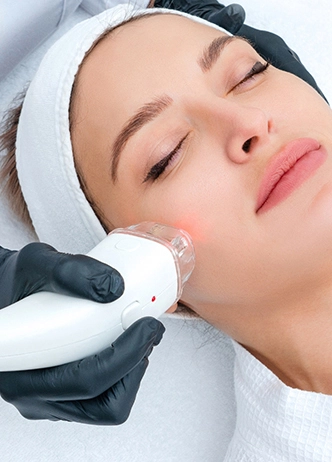
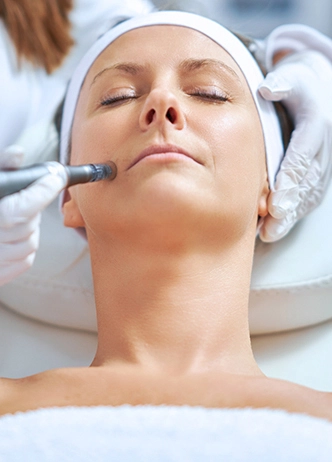
The objective of this Facial Anatomy Cadaver Workshop for Aesthetics is to provide detailed training in facial anatomy to understand how to correctly and safely administer the various aesthetic products you will inject in your practice.
Facial anatomy training is your first step and basis for injecting patients safely and confidently. For experienced dermatologists and other medical professionals, this kind of training is essential to remain current and knowledgeable in aesthetics. This training details protocols and techniques to avoid complications including training to complication management related to facial injections and facial procedures.
By participating in a cadaver training program, practitioners of all specialties can reduce the chance of developing unwanted side effects and potentially enhance the probability of the most desirable outcome for patients.
Aesthetics is a booming industry and thousands of physicians and healthcare practitioners flock to training programs all over the U.S. and abroad to learn these techniques. At Empire Medical Training, our objective is for graduates to not only become proficient at the various injection techniques but also to thoroughly understand the anatomy that is central to safe administration of all the injectable procedures.
It is common for the medical practitioner to have a false sense of confidence when performing dermal filler or other facial aesthetic techniques due to the relatively low incidence of complications. Although the risk is low, complications such as blindness can be permanent and non-reversible. Learning proper technique will help you ensure your methods are safe and effective.
Our Anatomical Cadaver Course for Injectables is not a replacement for hands-on training but will give you the confidence that you are applying the latest guidelines and protocols used to enhance your in-clinic practical sessions.
Empire is proud to offer this highly relevant, practical, Advanced Facial Anatomy, Cadaver Training program conducted by renowned and experienced plastic surgeons and cosmetic dermatologists.
The program provides a combination of lecture presentations along with extensive cadaver demonstrations of relevant anatomy. Once anatomical landmarks are correctly identified and learned, proper technique becomes second nature. With the myriad of nerve and vascular bundles comprising the face, there are many structures to avoid in order to reduce the risk of complications.
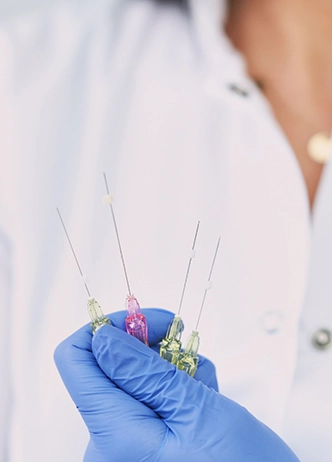
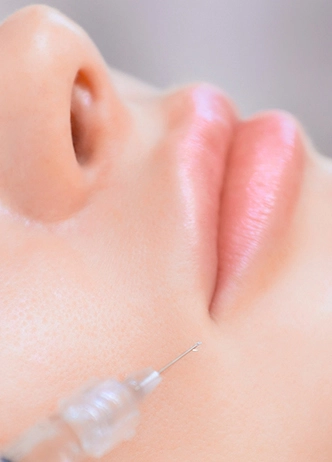
Throughout the course, participants will gain a thorough understanding of safe technique for Botox injections, HA and Non-HA Dermal Fillers, and PDO Thread placement by learning the anatomy of the face and associated structures.
Increase your knowledge of facial anatomy for both surgical and non-surgical facial rejuvenation
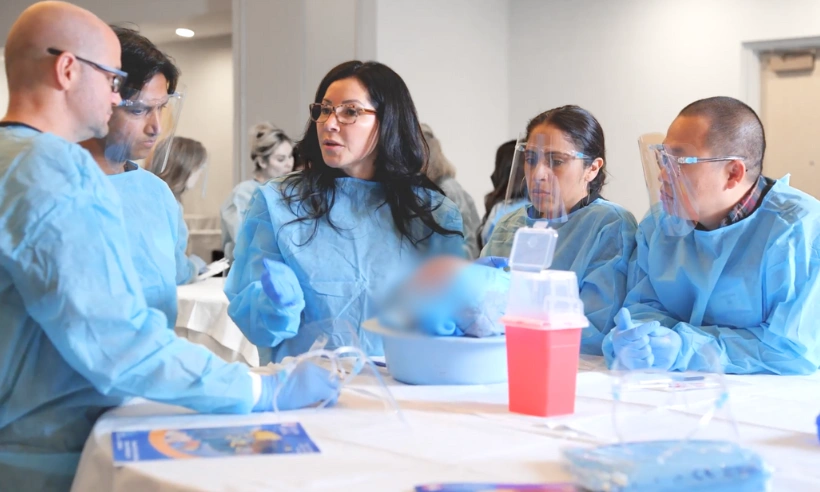
- Test your skills and expand your knowledge by attending this cadaveric dissection using fresh frozen unembalmed cadavers to fully understand facial anatomy for safe and proper facial aesthetics injections using fillers, cannulas, and PDO threads for non-surgical facial enhancement.
- This program is geared for the practioner who wants to perfect their skills as well as learn the latest techniques in facial aesthetics in-depth and increased standard of care for patients.
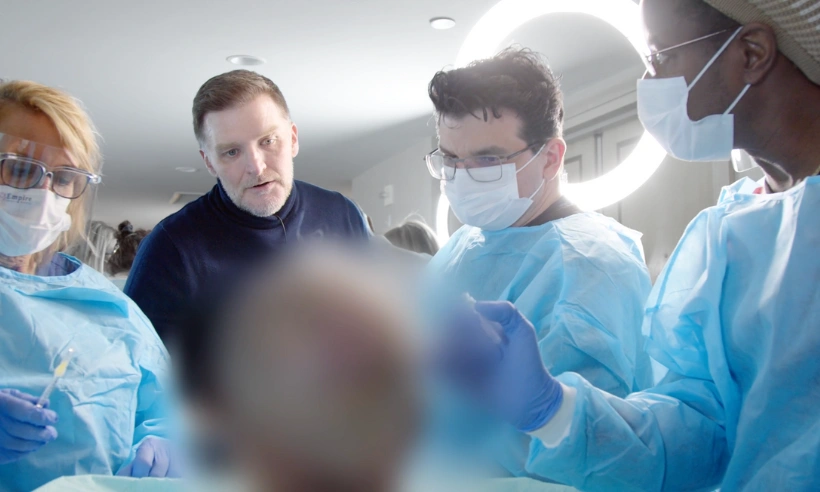
- The curriculum will consist of a morning didactic session reviewing anatomy literature, landmarks, blood supply, and nerve innervation to the upper and lower face.
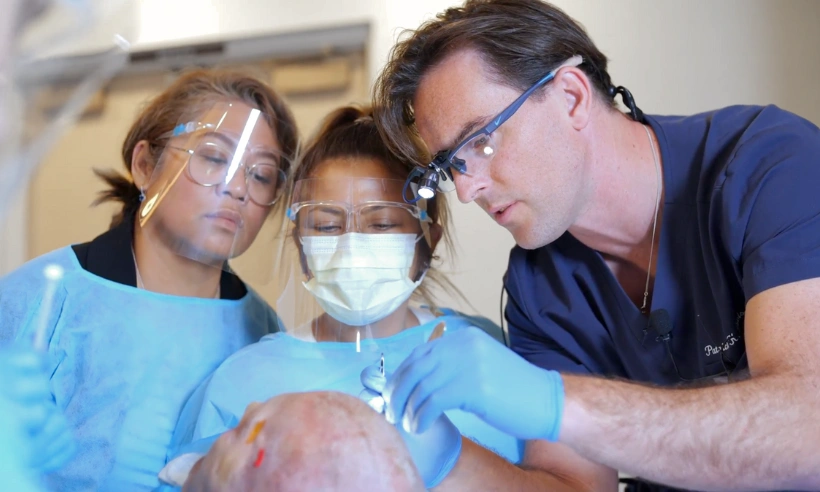
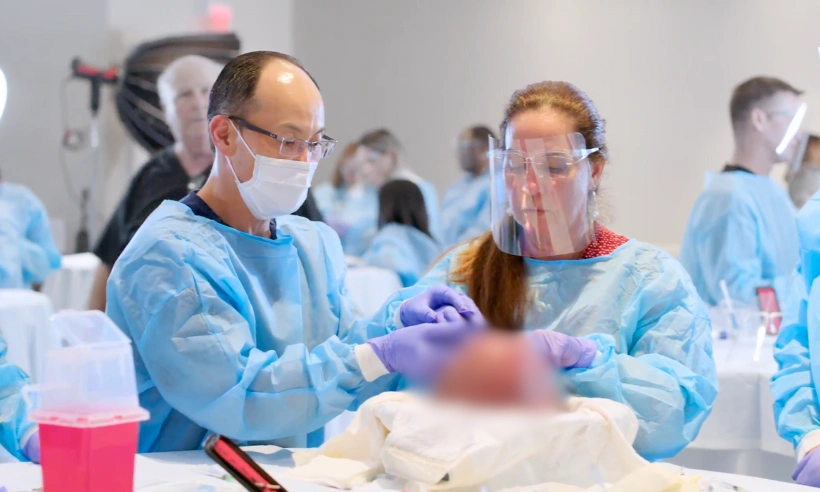
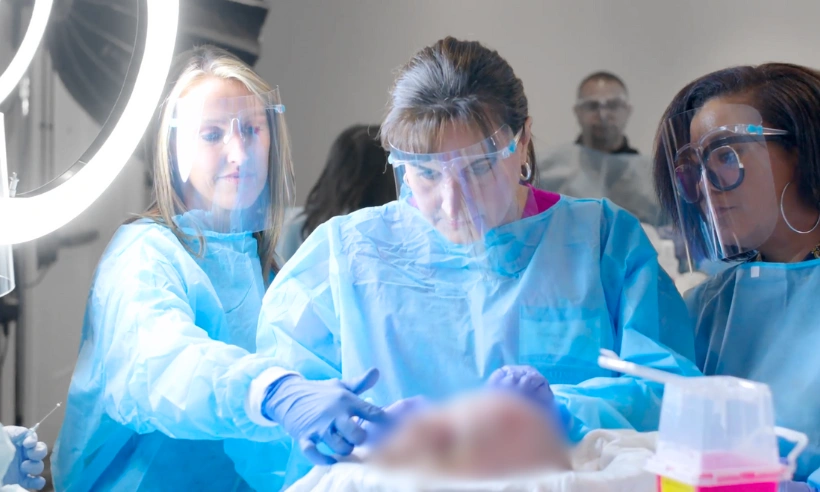
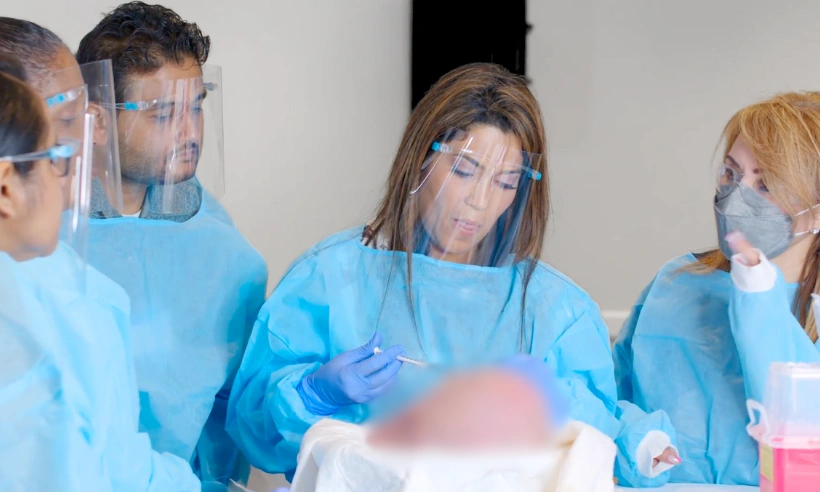
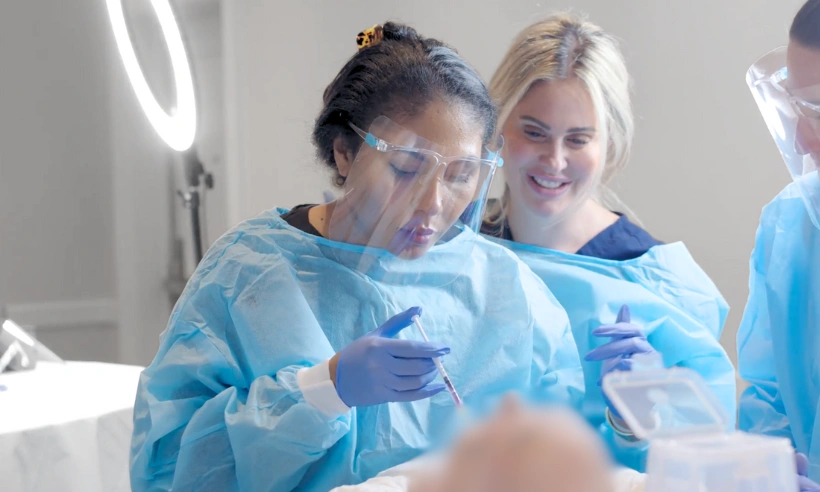
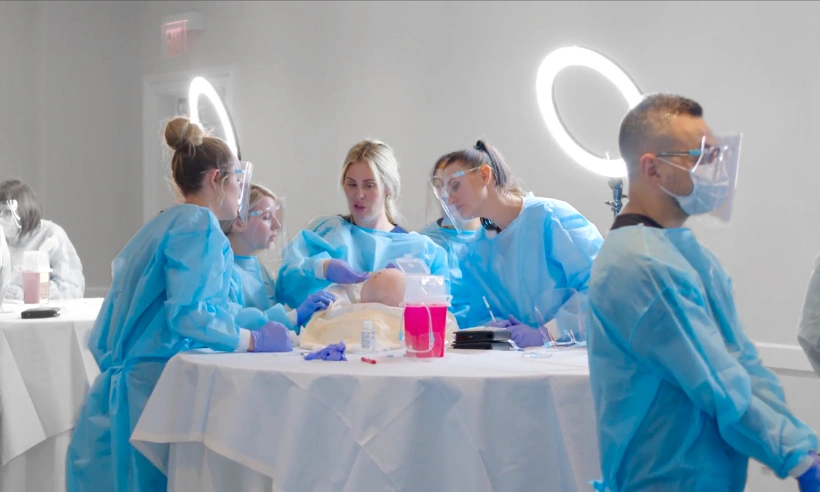
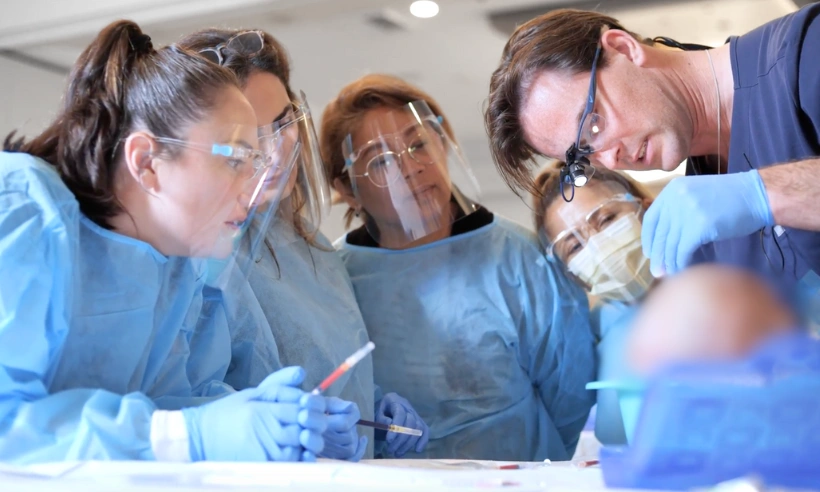
- The afternoon session consist of a workshop to visualize on your cadaver specimen the various fat pad compartments, skin layers, blood supply (arteries and veins), and nerves so that you may ascertain where injectables should be placed to achieve the best results while avoiding potential complications.
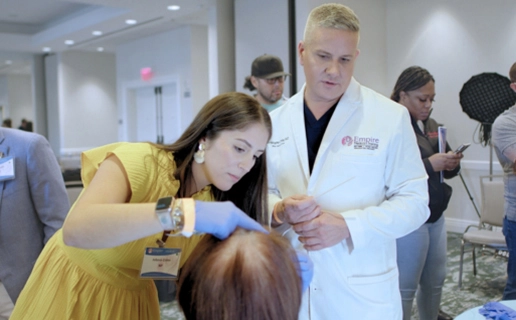
- This program will include a live demonstration as well as hands-on training for attendees to allow one to understand, visualize, and practice facial aesthetic procedures safely including the placement of PDO Threads and HA and Non-HA dermal fillers.
- Ultrasound equipment is provided as part of the course, enabling students to view how injectable products move through the different layers of the skin for enhanced understanding and precision.