







Interest in learning how salmon sperm for skin works has skyrocketed in recent years, thanks to the rise of PDRN (polydeoxyribonucleotide) therapies. These treatments, which were originally popularized in Korea and Japan, use DNA fragments extracted from salmon sperm to stimulate cellular repair, collagen production, and deep skin regeneration.
While the concept may initially seem bizarre, the benefits of PDRN are backed by decades of research, which demonstrates its ability to accelerate wound healing, improve elasticity, reduce inflammation, and enhance skin quality overall. As clinicians seek new regenerative alternatives to traditional injectables, PDRN is becoming an increasingly popular option in modern aesthetic clinics.
The primary appeal of PDRN is its ability to work at the cellular level, which triggers natural repair mechanisms rather than simply masking signs of aging. For patients seeking biologically- driven results without the need for synthetic fillers or aggressive procedures, PDRN can provide an attractive middle ground between topical care and invasive treatments.
In this guide, we’ll break down the science behind salmon sperm PDRN, how it rejuvenates skin, clinical applications, the safety of these injections, and treatment protocols. Providers seeking advanced training in regenerative therapies can also explore programs through Empire Medical's various virtual and on-site training courses.
What Is PDRN and Why Is It Derived From Salmon Sperm?
PDRN (polydeoxyribonucleotide) is a bioactive DNA compound extracted from salmon sperm known for its regenerative, anti-inflammatory, and collagen-stimulating effects. So, what does salmon sperm do for your skin? PDRN is used in injections, microneedling, and topical boosters, and it can speed up healing while improving skin texture, elasticity, and hydration.
The reason that Salmon DNA is used is that its molecular structure is extremely compatible with human DNA, with approximately a 95% similarity. This compatibility means the human body can recognize and utilize the salmon DNA fragments without triggering significant immune responses that may occur with other DNA.
Clinicians can learn regenerative protocols such as PDRN, peptides, and exosomes through Empire's hands-on Anti-Aging & Regenerative Workshops.
The Science: What Does Salmon Sperm Do for Your Skin?
PDRN is not the sperm itself. Instead, it is highly purified DNA fragments extracted from salmon sperm cells. These fragments have unique biological properties that can aid with skin repair and regeneration.
Here's how PDRN benefits the skin:
Activates Wound Healing Pathways
PDRN stimulates the A2A adenosine receptor, which triggers faster tissue repair, enhanced blood flow, reduced inflammation, and accelerated cell turnover. This process means that PDRN is an ideal option for aging or injured skin, as well as skin that has recently gone through an invasive procedure.
Stimulates Collagen Production
PDRN enhances the production of collagen types I and III, elastin fibers, and glycosaminoglycans (GAGs). This can result in skin that’s firmer, smoother, and more youthful.
Enhances Skin Hydration
PDRN's DNA structure naturally binds water, which allows it to increase skin hydration, improve barrier function, and boost overall skin plumpness.
Anti-Inflammatory and Anti-Redness Effects
PDRN decreases inflammatory cytokines, which makes it beneficial for rosacea, sensitive skin, post-laser redness, and acne, as well as flare-ups caused by inflammation.
Supports Anti-Aging at a Cellular Level
DNA fragments act as building blocks for damaged cells, helping them repair more efficiently. According to the National Institute of Health, PDRN has displayed significant regenerative-tissue capabilities, as well as angiogenic (the process of forming new blood vessels) and anti-inflammatory activity across multiple studies.
Understanding PDRN Treatment Results: What Patients Can Expect
Patients often ask how quickly they expect to see results from PDRN treatments. Unlike Botox® or fillers that provide immediate visible changes, PDRN is more gradual. Since PDRN works to stimulate your body’s natural repair process, improvements in skin texture and hydration typically show up around two to three weeks after the first treatment.
Although this may seem slow, it’s actually a strength of PDRN. Because the treatment stimulates your own collagen production and cellular repair, the improvements keep coming over time. Patients often report that their skin looks better at the three-month mark than it did right after the treatment.
So, what should you realistically expect from a PDRN injection? Improved skin textures, smoothness, enhanced hydration, more plumpness, a reduction in fine lines and wrinkles, more even skin tone, and a reduction in scars and enlarged pores are all possible. While PDRN won’t fully eliminate deep wrinkles or provide the dramatic volume that fillers have, it can make your skin healthier and more resilient overall.
How Are PDRN Skin Treatments Used in Aesthetic and Regenerative Medicine?
PDRN can be delivered through multiple modalities depending on patient goals.
PDRN Skin Boosters (Intradermal Microinjections)
Used to improve elasticity, smooth fine lines, strengthen the skin barrier, and reduce crepiness in thin skin.
Microneedling with PDRN
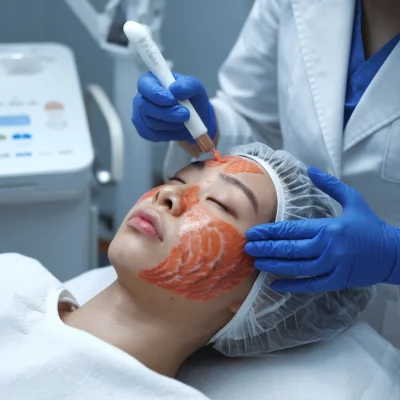
Combining PDRN with microneedling enhances absorption into deeper dermal layers and improves texture, pore size, acne scarring, and overall radiance.
Post-Laser and Post-Treatment Healing
PDRN is often used after laser resurfacing, RF microneedling, chemical peels, and PRP injections. Because it accelerates recovery and reduces inflammation, many providers add it to healing protocols.
Under-Eye Rejuvenation
Salmon sperm injections reduce fine lines, crepiness, puffiness and inflammation, and thin, fragile skin.
Acne Scar Remodeling
Through fibroblast stimulation and inflammation control, PDRN improves atrophic acne scarring.
How PDRN Fits Into a Comprehensive Skin Rejuvenation Plan
Experienced aesthetic providers understand that PDRN works best as part of a layered approach that combines it with other useful treatments. PDRN treatments pair well with other modalities to create a more comprehensive overall skin rejuvenation that can be tailored to the unique needs of each individual patient.
For patients in their 30s and 40s, PDRN works as a preventive treatment option that helps maintain skin quality and delay the need for more aggressive interventions. When combined with a good skincare routine, proper sun protection, and the occasional neurotoxin treatment, PDRN helps preserve youthful skin.
Older patients can still see significant benefits from PDRN, although they typically work in conjunction with other strategic filler placements and energy-based devices. PDRN can improve the overall skin quality, while these other treatments can be utilized to address specific structural concerns.
Most clinicians create customized treatment plans for each patient that alternate PDRN with other regenerative treatments during the course of the year. For example, a typical process may see you take PDRN treatments in the spring, followed by exosome therapy in the summer, PDRN maintenance in the fall, and PRP treatments in the winter.
PDRN vs. Exosomes vs. PRP: Which Works Best?
When comparing regenerative treatments, PDRN offers moderate to high regenerative strength with moderate growth factors and high inflammation reduction. It works quickly and is best for hydration and repair. Exosomes provide very high regenerative power with extremely high growth factor content, ideal for advanced rejuvenation. PRP offers moderate regeneration with variable, patient-dependent growth factors, best for early aging.
Clinics often combine PDRN with exosomes for amplified healing.
Quick comparison:
-
PDRN = hydration + healing + moderate collagen boost
-
Exosomes = advanced, multi-pathway regeneration
-
PRP = mild, patient-dependent outcomes
How Are PDRN Facial Treatments Performed?
Consultation
Assess skin hydration, laxity, scarring, barrier function, Fitzpatrick type, and sensitivity.
Delivery Methods
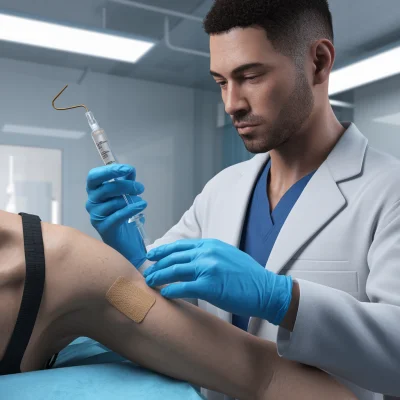
Option 1: Intradermal Microinjections - Fine-needle microdroplets placed across facial zones.
Option 2: Microneedling Infusion - PDRN is applied immediately after microneedling to maximize penetration.
Option 3: Combination Therapy - PDRN paired with exosomes, GHK-Cu peptides, hyaluronic acid, or PRP.
Treatment Series
Typically, 3-4 sessions spaced 3-4 weeks apart, with maintenance every 3-6 months.
Is PDRN Safe and What Are the Possible Side Effects?
PDRN is considered very safe due to its high purification and biocompatibility.
Common mild reactions include redness, tiny papules at injection sites, mild swelling, and temporary warmth.
Contraindications include active skin infection, pregnancy or breastfeeding, severe fish or seafood allergy, and autoimmune flare-ups (case-by-case).
Because PDRN is cell-free and low-inflammatory, complications are extremely rare.
Who Is an Ideal Candidate for PDRN Treatments?
PDRN is ideal for patients seeking improvement in fine lines, dehydrated skin, acne scarring, pigmentation irregularities, sensitivity and redness, thin crepey skin, post-procedure healing, and early and moderate aging.
It is an excellent regenerative alternative for patients who are not ready for fillers or energy-based treatments.
Where Can Providers Learn PDRN Treatment Techniques?
PDRN represents one of the most effective and well-tolerated regenerative options for skin healing, hydration, and rejuvenation. With rising demand for salmon-DNA treatments, aesthetic professionals trained in PDRN protocols can expand their offerings and deliver powerful, biologically driven results.
To master injectable PDRN, regenerative protocols, and advanced combination strategies, enroll in Empire's hands-on Anti-Aging & Regenerative Workshops. Gain the confidence and skill to deliver cutting-edge biostimulatory skin treatments.

 Claim Your Prize!