






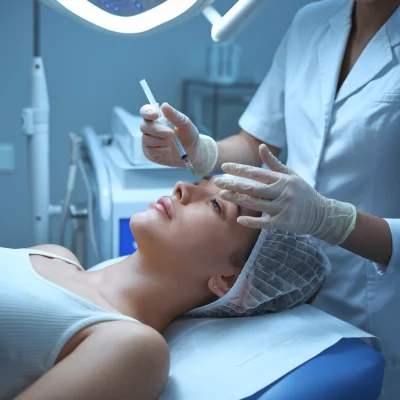
Exosome facial treatments are becoming one of the most in-demand regenerative aesthetic procedures, especially as global searches rise for “exosome facial” and “exosome treatment.” These potent, cell-free biological therapies are transforming how clinicians approach anti-aging, healing, and advanced skin rejuvenation.
Exosomes, which are nanovesicles rich in peptides, growth factors, and RNA, deliver powerful regenerative signals that enhance collagen production, reduce inflammation, and accelerate post-procedure recovery. When applied during or after treatments like microneedling, RF microneedling, or laser resurfacing, exosomes significantly improve results while shortening downtime.
If you are exploring how to integrate exosome facial treatments into your practice, this comprehensive guide explains what exosome treatments are, how they work, and why they are rapidly becoming a staple in modern aesthetic medicine.
What Is an Exosome Facial Treatment?
A facial exosome treatment delivers stem-cell–derived extracellular vesicles to the skin to stimulate collagen, repair tissue, enhance hydration, and reduce inflammation. Exosomes are applied topically or injected intradermally after procedures like microneedling or laser therapy to dramatically enhance skin healing and rejuvenation.
Because exosomes act as cellular messengers rather than volumizers or neuromodulators, results appear more natural and continue to improve over time. Rather than simply masking signs of aging, this procedure supports an intrinsic skin repair process that improves overall skin quality, resistance, and function.
Providers can gain hands-on experience with these protocols in Empire’s Exosome Therapy Certification program.
What Are Exosomes and How Do They Work?
Exosomes are tiny lipid-bound vesicles (30–150 nm) naturally secreted by stem cells. They carry potent biological materials, including:
-
Growth factors
-
Peptides
-
MicroRNA and mRNA
-
Antioxidants
-
Anti-inflammatory cytokines
-
Signaling lipids
Unlike traditional biologic treatments that rely on live cells, exosomes are cell-free, which significantly reduces immunogenic risk while maintaining powerful regenerative signaling. This makes them especially appealing in aesthetic medicine, where safety, consistency, and predictable outcomes are critical.
Once delivered into the skin, exosomes bind to recipient cells such as fibroblasts, keratinocytes, and endothelial cells. This cellular communication activates pathways responsible for collagen synthesis, angiogenesis, and inflammation control. This allows them to enhance healing while improving skin tone, texture, and firmness simultaneously.
As demand grows for minimally invasive, high-impact rejuvenation treatments, exosome facials are increasingly viewed as a next-generation solution.
How Do Exosomes Rejuvenate the Skin?
Exosomes rejuvenate the skin by activating multiple regenerative pathways at the cellular level, addressing collagen loss, inflammation, hydration, pigmentation, and tissue repair simultaneously.
1. Increase Collagen & Elastin Production
Exosomes stimulate fibroblasts to produce collagen types I and III, restoring firmness and reducing fine lines. This process strengthens the dermal matrix over time, helping skin maintain elasticity and structural support rather than delivering short-lived surface-level improvements.
2. Reduce Inflammation & Redness
Exosomes downregulate inflammatory cytokines, making them ideal after aggressive procedures. By calming the inflammatory cascade, exosomes help prevent prolonged erythema and post-procedure sensitivity, which can delay visible results.
3. Enhance Hydration & Skin Barrier Function
By improving lipid balance and ceramide production, exosomes amplify moisture retention. A healthier skin barrier also reduces transepidermal water loss, leaving skin more resilient, supple, and better protected from environmental stressors.
4. Improve Skin Tone & Pigmentation
Exosomes regulate melanocyte activity, supporting a more even complexion. This makes them particularly beneficial for patients struggling with sun damage, melasma, or post-inflammatory hyperpigmentation following acne or cosmetic procedures.
5. Accelerate Wound Healing
Exosomes promote angiogenesis and tissue repair, reducing downtime by days. Enhanced blood vessel formation and cellular turnover allow skin to recover faster while minimizing scabbing, peeling, and irritation.
This combination of anti-inflammatory and regenerative effects is what makes exosomes uniquely suited for post-procedure recovery. Patients often report faster resolution of erythema, less peeling, and less discomfort compared to procedures performed without exosomal support.
Research from the National Institute of Health (NIH) further highlights the strong regenerative properties of exosomes in skin healing and rejuvenation (NIH).
What are the Benefits of Facial Exosome Treatments?
1. Immediate Glow and Hydration
Patients often see brighter, dewier skin within 24–48 hours, driven by rapid anti-inflammatory signaling and improved cellular communication within the skin.
2. Reduced Downtime After Procedures
Exosomes dramatically reduce redness, swelling, and irritation following:
-
Microneedling
-
RF microneedling
-
Fractional CO₂ laser
-
Erbium laser
-
IPL
-
Chemical peels
3. Stronger Collagen Remodeling
Long-term improvements from facial exosome treatments may include tighter skin, fewer fine lines, improved elasticity, and better dermal density.
4. Smoother Texture and Pore Refinement
Ideal for acne scars, rough texture, and enlarged pores, exosomes help normalize cellular turnover, leading to smoother skin texture and more refined pores.
5. Even Pigmentation and Radiance
Exosomes help improve sun damage, melasma, and post-inflammatory hyperpigmentation. Their regulatory effect on melanocytes supports gradual brightening without the irritation commonly associated with aggressive pigment-correcting treatments.
Because benefits compound over time, many providers position exosome facials as part of a long-term skin optimization strategy rather than a one-time treatment. This approach can improve patient retention while delivering measurable improvements.
How Do Exosome Facials Compare to PRP Facials?
|
Feature |
Exosome Facial |
PRP Facial |
|
Growth factors |
Very high |
Moderate |
|
Consistency |
Standardized |
Patient-dependent |
|
Inflammation reduction |
Strong |
Mild |
|
Healing time |
Faster |
Slower |
|
Results |
More dramatic |
Gradual |
|
Ideal for |
Aging, texture, pigment |
Early aging, maintenance |
Another key distinction is preparation time. PRP requires blood draws and centrifugation, while exosome treatments are immediately available and standardized, allowing for more consistency. Patients often describe exosome facials as like PRP, but significantly stronger and faster.
How Facial Exosome Treatments Are Performed
Facial exosome treatments can be delivered in several ways depending on skin needs. These methods include:
1. Topical Application After Microneedling
This is the most common method. Microchannels created during microneedling allow exosomes to penetrate deep into the dermis.
2. RF Microneedling with Exosomes
Combining thermal coagulation with exosomal delivery results in powerful collagen remodeling.
3. Laser + Exosome Application
Used immediately after fractional or ablative laser sessions to speed recovery.
4. Intradermal (Mesotherapy) Injections
Microdroplet injections are used for targeted rejuvenation in areas such as:
-
Under eyes
-
Cheeks
-
Jawline
-
Lines/wrinkles
This method delivers exosomes directly into the dermis for enhanced effect.
Treatment selection is typically guided by skin condition, recovery expectations, and desired outcomes. Reviewing exosome facial before and after images can help patients visualize expected improvements.
What are the Treatment Protocols and Frequency?
Typical treatment schedule:
-
Series of 3–6 sessions, spaced every 4–6 weeks
-
Maintenance every 3–6 months
Exosome facials also pair well with:
-
PRP
-
Peptides (GHK-Cu, PDRN, NAD+)
-
Mesotherapy vitamins
-
LED therapy
-
Chemical peels
Are There Any Side Effects or Contraindications?
Exosome facials are generally safe with minimal side effects.
Temporary side effects may include mild redness, tightness, warmth or sensitivity, though these side effects are typically mild and temporary.
Several contraindications exist for facial exosome treatment. These include active acne or infection, pregnancy, breastfeeding, autoimmune flare-ups, active skin cancer, or compromised immunity.
Proper sourcing and storage protocols are essential, as poorly processed exosome products may lack efficacy or pose safety concerns.
Who are the Ideal Candidates for Facial Exosome Treatments?
This therapy is excellent for patients with:
-
Aging skin
-
Fine lines and wrinkles
-
Acne scars
-
Post-procedure redness
-
Dull or dehydrated skin
-
Pigmentation issues
-
Enlarged pores
-
Sensitive or easily inflamed skin
Early intervention can yield even more dramatic long-term benefits.
How do you Become Certified in Exosome Facial Rejuvenation?
Facial exosome treatments represent one of the most advanced forms of non-surgical skin rejuvenation. These cell-free regenerative therapies enhance collagen, reduce inflammation, and deliver powerful healing benefits that surpass many traditional modalities.
As patient awareness grows, clinics offering exosome facials are increasingly viewed as leaders in regenerative aesthetics. Formal Exsome Therapy certification not only ensures safe application but also positions providers at the forefront of innovation in aesthetic medicine.
Clinicians ready to add exosome facials to their practice can enroll in Empire’s hands-on Exosome Therapy Certification program and other aesthetic workshops. Learn advanced facial protocols, combination strategies, and regenerative techniques that elevate patient outcomes and practice growth.


 Claim Your Prize!