






Exosome therapy has become one of the most recognized types of regenerative aesthetics, with thousands of prospective patients searching terms like exosomes in aesthetics and exosomal therapy monthly.
With more patients wanting minimally invasive treatments containing regenerative benefits, exosomes are emerging as the next breakthrough, going beyond platelet-rich plasma (PRP), stem cell–based therapies, and growth factor serums. Through our comprehensive workshops, Empire Medical Training gives providers numerous foundational trainings to incorporate regenerative protocols into their practices.
We’ll break down how exosomal therapy works, its aesthetic applications, safety considerations, protocols, and why exosomes are being called the future of skin regeneration.
What Are Exosomes?
Exosomes are small (30–150 nm) vesicles released by cells and derived from the formation of cell membranes undergoing endocytosis, which creates endosomes in turn. In layman’s terms, exosomes act as communication messengers throughout the body, transporting essential biological materials, including:
-
mRNA and microRNA
-
Growth factors
-
Peptides
-
Lipids
-
Anti-inflammatory cytokines
-
Regenerative signals
These components guide various necessary cellular functions such as collagen and elastin synthesis, wound healing, immune modulation, angiogenesis, and tissue remodeling.
By influencing cellular behavior instead of replacing cells, healthcare practitioners can utilize exosome-based therapy as a safe, non-cellular regenerative option to give their patients profound aesthetic benefits.
What Is Exosome Therapy?
If you’re wondering what exosome therapy is, it’s a specialized skin rejuvenation treatment that stimulates collagen, repairs tissue, and improves skin quality.
Exosomes utilize regenerative extracellular vesicles derived from stem cells to deliver growth factors, peptides, mRNA, and signaling molecules directly to damaged or aging tissues, which stimulate cellular repair and gene expression. In aesthetics, exosomes can:
-
Stimulate collagen production
-
Accelerate healing times
-
Improve skin quality
-
Enhance outcomes of energy-based or injectable procedures
Providers should ensure they get a proper FDA biologics license in order to perform exosomal therapy correctly and safely. Additionally, when administering exosomes, be sure to let your patients know that while exosomes can be used alongside similar skin rejuvenation treatments, they aren’t otherwise universally therapeutic.
Providers can enroll in Empire’s advanced workshops for facial contouring injectables and more. Our instructors provide expert, hands-on training, covering various protocols for aesthetics and functional regenerative medicine.
Does Exosome Therapy Work?
Exosomes deliver targeted signals that instruct cells to repair, rejuvenate, and regenerate in a number of ways:
|
How Exosomal Therapy Works |
Effects of Exosomes |
Number of Sessions Required/Overall Timeline |
|
Collagen & Elastin Production |
|
|
|
Anti-Inflammatory & Immune Regulation |
|
|
|
Angiogenesis & Tissue Repair |
|
|
|
Mitochondrial Support |
|
|
|
Genetic Messaging |
|
|
As a provider, you should inform your patients that they’ll likely need between 3 and 5 sessions of exosomal therapy. Each session is approximately 30-60 minutes long and should be spaced out roughly 4-8 weeks apart to achieve optimal results, which usually start occurring within the first 2 weeks.
The exact number of sessions often varies depending on a patient’s specific condition and response to treatment. With that said, patients can expect to see significant skin rejuvenation or hair restoration within 2 to 4 months, with results lasting between 6 and 12 months at a time. For longer results, you should suggest that your patients do regular sessions at least once or twice a year.
Benefits of Exosome Therapy
There are various advantages of using exosomal therapy for enhancing or accelerating outcomes across a wide range of facial and body treatments, including:
1. Skin Rejuvenation and Anti-Aging
Using exosomes can improve fine lines and wrinkles, laxity, texture irregularities, skin density, and enhance overall glow. Exosomal therapy is ideal for providers treating patients who want long-term regenerative improvements.
2. Post-Laser and Post-Microneedling Recovery
Healthcare professionals can apply exosomes immediately post-procedure with fractional lasers, RF microneedling, or microchanneling to:
-
Lower erythema
-
Speed up healing process
-
Enhance collagen induction
-
Reduce patient downtime
3. Acne Scars and Texture Correction
Exosomes promote collagen production and support tissue remodeling by activating fibroblast and anti-inflammatory pathways to reduce scar depth.
4. Hair Restoration
When used alone or alongside PRP, exosomes applied through scalp injections help activate dormant hair follicles by:
-
Reducing inflammatory scalp conditions
-
Improving follicle density and thickness
-
Accelerating growth cycles
5. Pigmentation and Skin Tone
By reducing inflammation and supporting cell turnover, exosomes can improve common conditions like melasma, sun damage, and post-inflammatory hyperpigmentation.
Exosomal Therapy vs. PRP: What’s the Difference?
While both exosomal therapy and PRP (also known as a “vampire facelift”) are non-surgical, injectable treatments to promote skin rejuvenation, they do have some key differences.
|
Feature |
Exosomal Therapy |
PRP |
|
Composition |
|
|
|
Source |
|
|
|
Consistency |
|
|
|
Growth Factor Concentration |
|
|
|
Downtime Reduction |
|
|
|
Anti-Inflammatory |
|
|
|
Best For |
|
|
While PRP is still an effective treatment, exosome therapy for skin offers enhanced potency, standardized formulation, and stronger regenerative effects in contrast.
Exosomes Therapy for Skin: Top Uses in Aesthetics
Exosomal therapy can be delivered through multiple aesthetic techniques depending on treatment goals.
1. Topical Application
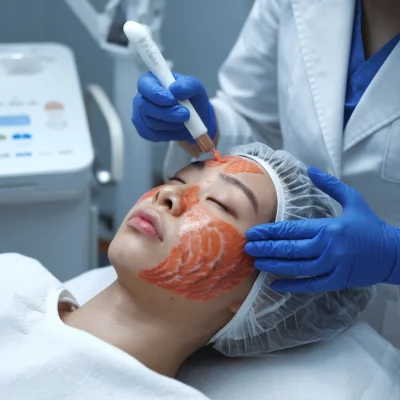
We recommend that healthcare professionals apply exosomes in a topical format immediately after procedures such as RF microneedling, fractional lasers, microchanneling, and microdermabrasion. Topical application is one of the most common exosomonal treatments, which can dramatically improve absorption and target skin rejuvenation.
2. Intradermal (“Mesotherapy”) Injections
Exosomes in intradermal or mesotherapy injections are used to treat fine lines, textural irregularities, scar treatment, and thin or lax skin. Providers often utilize these injections by making small microdeposits across treatment zones and between the skin layers.
3. Scalp Injections
For hair restoration programs, exosomes are typically injected into the dermis to stimulate follicle regeneration.
4. Combination Therapy
Exosomes are extremely versatile, integrating seamlessly with other similar skincare treatments, including:
-
PRP
-
Threads
-
Peptides
-
Growth factor serums
-
Chemical peels
If you want to expand your practice’s regenerative skincare offerings, look no further than Empire’s comprehensive antiaging regenerative workshops.
Are Exosomes Safe?
Exosomes are generally considered safe with low complication rates, particularly when derived from certified, sterile, donor-screened sources and administered by trained professionals.
However, providers should warn their patients about the following risk factors that could impact their health:
|
Common Mild Effects |
Rare Risks |
Contraindications |
|
|
|
With proper patient screening and high-quality sourcing, healthcare practitioners can mitigate these various concerns.
Who Is an Ideal Candidate for Exosomal Therapy?
Exosomal therapy is beneficial for patients who:
-
Want regenerative and non-surgical rejuvenation
-
Prefer low-downtime procedures
-
Have aging or stressed skin
-
Desire faster healing post-procedures
-
Struggle with acne scars or textural issues
-
Are undergoing combination regenerative treatment plans
Utilizing exosomes can gradually make improvements over 8–12 weeks, lasting between 6 and 12 months depending on a patient’s overall skin health.
Get Exosome Therapy Certified With Empire Medical Training
Exosome therapy is one of the most exciting innovations in regenerative aesthetics, offering unmatched collagen stimulation, skin healing, and cellular rejuvenation. With effective training in proper sourcing, exosome protocols, and delivery techniques, providers can deliver superior results and capitalize on growing patient demand.
If you’re a healthcare practitioner wanting to enter the realm of exosomal therapy, you can get hands-on experience by enrolling in Empire Medical Training’s industry-leading exosome therapy certification program.
It’s time to advance your expertise, enhance patient outcomes, and become a regenerative aesthetic medicine leader today.
 Claim Your Prize!