






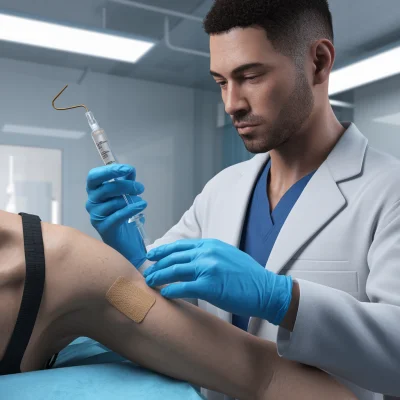
Exosome injection therapy is rapidly emerging as a top regenerative procedure in aesthetic medicine, with increasing patient interest in exosome injections, and exosome injection therapy. Unlike traditional growth factor or PRP treatments, exosomes deliver concentrated regenerative instructions directly to cells which enhances collagen production, reduces inflammation, and accelerates tissue healing.
These cell-free extracellular vesicles are packed with peptides, cytokines, mRNA, and microRNA that influence key pathways involved in aging, pigmentation, elasticity, and wound repair. As more providers adopt exosome injections for face, neck, and scalp rejuvenation, understanding proper sourcing, administration, indications, and safety is essential.
As regenerative medicine continues to evolve, exosome injections are increasingly viewed not as an adjunct, but as a core method for advanced aesthetic practices focused on skin quality, recovery optimization, and long-term tissue health.
This comprehensive guide explains how exosome injections work, when to use them, and what every aesthetic professional should know before adding them to their practice.
What Are Exosome Injections?
Exosome injections deliver stem-cell–derived extracellular vesicles directly into the skin or scalp to stimulate collagen, repair tissue, reduce inflammation, and enhance regenerative pathways. They provide stronger and more consistent results than PRP and have become one of the fastest-growing treatments in aesthetic medicine.
Unlike PRP, which relies on patient-specific platelet concentration and biologic variability, exosome formulations are standardized, allowing providers to deliver predictable regenerative signaling across a wide range of patients and treatment indications.
Providers can master hands-on injection protocols through Empire’s Exosome Therapy Certification program.
How Does Exosome Injection Therapy Work For the Face?
Exosomes are nano-sized vesicles that function as communication messengers between cells. They deliver:
-
mRNA and microRNA
-
Growth factors
-
Peptides
-
Antioxidants
-
Anti-inflammatory cytokines
-
Lipids
These components regulate biological processes necessary for skin and scalp rejuvenation. Once injected, exosomes bind to recipient cells such as fibroblasts, keratinocytes, and stem cells, triggering intracellular signaling cascades that promote repair, reduce cellular stress, and restore youthful cellular behavior without introducing live cells into the tissue.
Which Mechanisms are Activated by Exosome Injections?
Exosome injections trigger multiple biological processes in the skin and scalp, each working together to promote regeneration, repair, and rejuvenation.
1. Collagen & Elastin Remodeling
Exosomes activate fibroblasts and induce the regeneration of collagen types I and III. This remodeling improves firmness, elasticity, and dermal density while softening fine lines and wrinkles over time.
2. Anti-Inflammatory Effects
Exosomes suppress inflammatory cytokines and oxidative stress, improving redness, sensitivity, and acne-prone skin. This makes exosomes particularly valuable for post-procedure recovery and patients with inflammatory skin conditions.
3. Skin Barrier Repair
Exosomes enhance ceramide production and strengthen the epidermal barrier. Improved barrier integrity supports hydration, resilience, and tolerance to aesthetic treatments.
4. Angiogenesis (Improved Circulation)
Better blood flow supports nutrient delivery and toxin removal and contributes to healthier skin tone and faster healing.
5. Cellular Reprogramming
Exosomal RNA influences gene expression, promoting youthful cell behavior. This regenerative signaling helps reverse age-associated cellular dysfunction rather than mask it.
According to NIH-published research, exosomes are instrumental in tissue repair, immune regulation, and regenerative signaling across dermatology and aesthetic medicine (NIH).
What are the Aesthetic Applications for Exosome Injection Therapy?
Exosome injections are used for a wide range of aesthetic concerns. These may include fine lines, wrinkles, laxity, texture irregularities, or dull or dehydrated skin.
Exosomes offer notable collagen remodeling with faster healing. They are especially effective for patients seeking skin quality improvement without volumizing fillers.
1. Pigmentation and Skin Tone Correction
Exosomes regulate melanin activity and reduce inflammation, improving sun damage, melasma, and PIH (post-inflammatory hyperpigmentation). Their regulatory effect on melanocytes supports more even, stable pigmentation outcomes.
2. Acne and Acne Scarring
Exosomes anti-inflammatory properties make exosomes ideal for active acne, while fibroblast activation improves texture and scar depth. This dual action allows treatment of both active disease and residual scarring.
3. Hair Restoration
Exosome scalp injections stimulate dermal papilla cells, reduce follicular inflammation, and support regrowth. They are increasingly used as a non-hormonal adjunct or alternative to PRP and pharmacologic therapies.
4. Post-Procedure Regeneration
Exosomes dramatically speed recovery after:
-
CO₂ and Erbium lasers
-
RF microneedling
-
Deep chemical peels
-
PRP treatments
Are there Specific Protocols & Techniques for Exosome Injection?
Following proper protocols and injection techniques maximizes the effectiveness of exosome therapy while ensuring patient safety and best results.
1. Consultation & Assessment
During a consultation, assessments are made regarding:
-
Skin quality
-
Laxity
-
Pigmentation
-
Scar patterns
-
Inflammation and sensitivity
-
Treatment goals
2. Injection Depth and Placement
Exosomes are injected intradermally or subdermally using microdroplet, linear threading, or fanning techniques.
Typical zones include:
-
Periorbital area (fine lines)
-
Cheeks (texture, laxity)
-
Jawline (firmness)
-
Forehead (wrinkles)
-
Neck and décolletage (crepiness)
3. Needle Size & Device Options
There are various needle size and device options available. These include 30-32 gauge needles, manual syringes, or a mesotherapy gun. These methods can also be combined with microneedling for enhanced absorption.
4. Application After Microneedling or Lasers
For maximum penetration, exosomes can be applied topically after treatments that create microchannels.
5. Treatment Schedule
-
1–3 injection sessions spaced 4–6 weeks apart
-
Maintenance every 6 months
Providers integrating exosome injections into broader anti-aging protocols can further expand their skills through Empire’s Anti-Aging and other aesthetic workshops.
Exosome Injections vs. PRP: Which Regenerative Treatment Is More Effective?
|
Feature |
Exosome Injection |
PRP Injection |
|
Growth factor levels |
Very high |
Moderate |
|
Consistency |
Standardized |
Patient-dependent |
|
Anti-inflammatory |
Strong |
Mild |
|
Healing time |
Faster |
Slower |
|
Potency |
Higher |
Variable |
|
Pain & downtime |
Minimal |
Mild |
|
Best for |
Regenerative aesthetics |
Early rejuvenation |
From a clinical perspective, the most significant distinction between exosome injections and PRP lies in predictability. PRP outcomes depend heavily on patient platelet concentration, age, health status, and blood processing technique, whereas exosome therapies deliver a controlled, consistent concentration of regenerative signaling molecules.
Are Exosome Injections Safe?
Exosomes have a strong safety profile when sourced from sterile, certified, and ethically screened stem cell–derived lines.
Because exosomes are cell-free, they do not carry the same risks associated with live-cell therapies, such as uncontrolled replication or immune rejection.
Proper handling, storage, and administration remain essential. Providers should follow manufacturer guidelines for reconstitution, injection depth, and treatment intervals to maintain biologic integrity and maximize effectiveness.
Common Mild Reactions
-
Redness
-
Small bumps at injection sites
-
Swelling
-
Skin tightness
These reactions are typically short-lived and resolve within hours to a few days, making exosome injections well-tolerated even among patients with lower recovery tolerance.
Contraindications
-
Active cancer
-
Pregnancy or breastfeeding
-
Autoimmune flare-ups
-
Active infections
-
Recent ablative laser without physician evaluation
High-quality sourcing is critical to avoid contamination or immunologic issues. Clinicians should only work with suppliers that provide clear documentation on sourcing, purification methods, sterility testing, and regulatory compliance.
What Types of Patients Benefit Most From Exosome Injections?
Best candidates for this treatment include those with:
-
Early to advanced facial aging
-
Texture irregularities
-
Pigmentation concerns
-
Acne scarring
-
Fine lines and laxity
-
Dull or dehydrated skin
-
Sensitivity or inflammation
-
Post-laser recovery needs
-
Hair thinning or shedding
They are particularly well-suited for patients who want visible skin quality improvements without added volume, as well as those who have not responded optimally to PRP or traditional growth factor therapies.
Patients undergoing aggressive resurfacing procedures also benefit significantly, as exosomes help shorten downtime, reduce inflammation, and improve overall treatment tolerance.
Exosomes are excellent for patients seeking a regenerative, non-filler-based rejuvenation approach.
How Can Providers Become Certified in Exosome Injection Therapy?
Exosome injections represent the cutting edge of regenerative aesthetic medicine, offering faster healing, stronger collagen stimulation, and superior outcomes compared to many traditional modalities. Mastering exosome applications allows aesthetic professionals to elevate their offerings and meet rising patient demand.
As patient awareness grows, providers trained in exosome injection therapy are better positioned to differentiate their practice, expand treatment menus, and deliver next-generation regenerative solutions that align with modern aesthetic goals.
To gain expertise in dosing, sourcing, safety, and injection techniques, enroll in Empire’s comprehensive, hands-on Exosome Therapy Certification program. Enhance your clinical confidence and become a leader in regenerative aesthetic treatments.


 Claim Your Prize!