






As we age, more wrinkles are bound to appear on your face and neck area. Older people have less elastic and lustrous skin, and lumps can appear where they were not before.
There is nothing wrong with temporary treatments such as Botox® and fillers made of hyaluronic acid. However, these temporary treatments can add up over time, and they can rely on external products to fight off signs of aging, rather than training the body to fight it on its own.
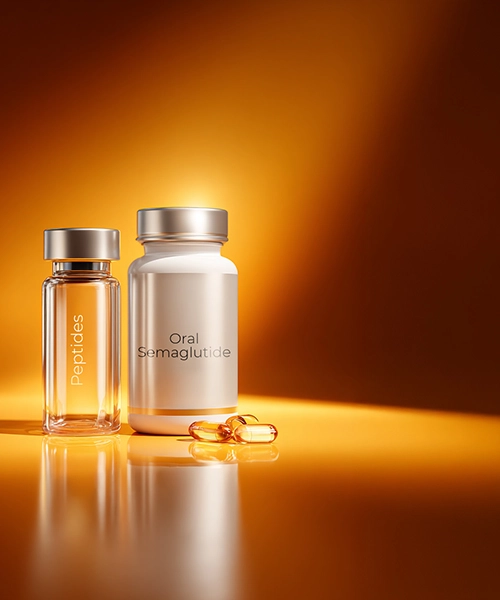
Fortunately, other options are available. The rapidly evolving field of anti-aging and regenerative medicine has already discovered a number of different peptides, short chains of amino acids, that reverse the aging of the skin and restore the natural, youthful appearance of the face.
These peptides are chains of amino acids that instruct your cells on what to do to maintain healthy skin. Unlike peptide serums, these peptides are injected to ensure higher absorption levels of these peptides in your body.
What to Expect from Injectable Peptides for Skin Rejuvenation
Peptide therapy is an important part of anti-aging treatment, and provides numerous benefits for skin health, including:
HGH Production: Peptide therapy stimulates human growth hormone (HGH) production, building muscle and bone mass, increasing bone density, and reducing body fat to provide a strong foundation for healthy skin.
Collagen Production: Peptides also stimulate collagen production. Collagen is made up of different peptides, which add volume to the skin and reduce wrinkles and fine lines in the face and neck.
Reduced Inflammation: Peptides can fight inflammation and limit chronic inflammatory conditions that can cause breakouts and splotchy skin.
Improved Immune Response and Antimicrobial Action: Peptides have antimicrobial properties that can boost immune response. These can limit the number of breakouts your skin has and reduce the chances of skin infection.
Improving Blood Flow: Certain peptides may also help improve blood flow and assist in the development of new tiny blood vessels, called capillaries, that are important for the skin's health.
The first effects of this treatment may be seen after four to six weeks of administration. The final effects may be realized after three to six months as your body reacts to the increased peptide activity. Most patients experience minimal discomfort during injections, and the results include firmer skin, reduction in fine lines, improved texture and tone, and a more youthful appearance overall.
How Injectable Peptide Treatment Plans Are Structured
How often you need injections varies by peptide type. While some patients receive injections multiple times a week, others may only need weekly or bi-weekly injections. Your provider will work with you to create a schedule based on your age, health history, and overall goals.
There are more than 100 known peptides, and more than 60 deemed safe by the FDA. But not all have clinical significance for skin health. The best peptides to improve skin appearance and overall health include:
GHK-Cu: This anti-wrinkle peptide helps tighten the skin and reduce the appearance of age-related lines, folds, and loose patches. GHK-Cu has been extensively studied for its wound-healing properties and ability to remodel skin tissue, making it particularly effective for improving overall skin texture.
Ipamorelin: The secretagogue ipamorelin immediately stimulates HGH production, boosting muscle and bone mass and indirectly firming up the skin. Ipamorelin doesn't significantly raise cortisol or prolactin levels, which means fewer unwanted side effects compared to other growth hormone stimulators.
GHRP-2 and GHRP-6: These compounds boost levels of Insulin-Like Growth Factor 1 (IGF-1), an important substance that regulates your body's supply of growth hormone. They offer a gentler, more sustainable way to increase that supply and indirectly improve skin appearance.
Sermorelin: Sermorelin helps boost muscle mass and firm up the skin, improving its appearance. As a growth hormone-releasing hormone analog, sermorelin works by stimulating your pituitary gland to produce more HGH naturally, making it a safer long-term option than direct HGH supplementation.
Thymosin: This compound fights inflammation throughout the body and can help reduce the impacts of chronic inflammatory conditions on skin health. Thymosin Beta-4 specifically has shown promise in promoting tissue repair and regeneration, making it valuable for overall skin rejuvenation beyond just anti-inflammatory effects.
Typically, providers start with a “loading phase” where injections are administered more frequently, sometimes as many as three to five injections per week for the first month or two. This helps build up peptide levels in your system. After the loading phase, you can then transition to a schedule of less frequent injections.
Are Injectable Peptides Safe for Long-Term Skin Use
While all injectable treatments carry some risk, peptides appear to have fewer than other anti-aging treatments like direct HGH injections. Because of this, providers may recommend starting with peptides for anti-aging benefits before moving on to other treatments. To ensure your own safety, always work with a provider who has completed advanced training in how to inject peptides and other peptide therapy techniques.
The safety of injectable peptides is one of their most attractive features. Peptides are naturally occurring compounds already produced by the body. Because of this, they tend to be well-tolerated with limited side effects. Most adverse reactions are mild and temporary, such as redness or slight swelling at the injection site.
However, peptide therapy may not be right for everyone. Pregnant or breastfeeding women, individuals with certain autoimmune conditions, and those with a history of cancer should discuss peptides thoroughly with their doctors before using them.
Keep in mind that peptide injections are not permanent fixes for better skin health. Like other minimally invasive treatments, they produce results in the short term, but repeated treatments can produce longer-lasting results.
Injectable Peptides vs Other Anti-Aging Skin Treatments
Before deciding on peptide injections, it helps to see how they compare to other popular treatment options like Botox, dermal fillers, and topical treatments.
Peptides vs Botox: Botox temporarily paralyzes facial muscles to prevent wrinkle formation, producing results within days. Botox can last for several weeks or months, but requires retreatment every three to four months. Peptides, on the other hand, work systemically to improve skin quality from within by boosting collagen and growth hormone production. While Botox offers faster visible results, peptides provide more comprehensive skin benefits.
Peptides vs Dermal Fillers: Fillers add volume directly to specific areas by filling in wrinkles and hollow spaces with immediate results. Peptides stimulate your body to produce its own collagen and improve skin structure naturally, leading to more gradual but potentially longer-lasting improvements.
Peptides vs Topical Treatments: Over-the-counter peptide serums can provide minor benefits, but their effectiveness is limited due to poor absorption. Peptide injections bypass this issue entirely by delivering therapeutic doses directly into your system.
Many patients find that combining peptides with other treatments delivers even more impressive results. For instance, using peptides to improve overall skin health while strategically adding in Botox injections for specific problem areas can give you maximum benefits.
Taking the Next Step in Your Skin Rejuvenation Journey
Injectable peptides provide an exciting new avenue for aesthetic medicine. They offer a straightforward way to address skin aging in a way that works with your body rather than against it. While they require commitment and repeated treatments, many patients find the natural-looking results and systemic health benefits worth the investment. If you're looking for an alternative to traditional cosmetic procedures or are just looking to complement your existing anti-aging routine, peptide therapy may be the perfect solution.

 Claim Your Prize!