






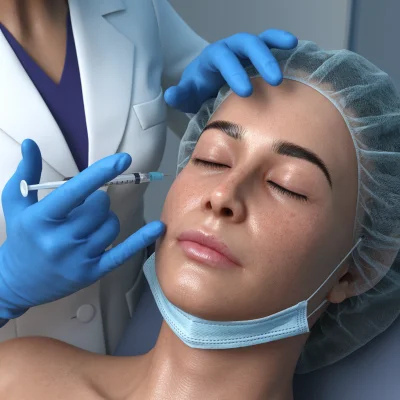
The dermal filler industry is undergoing significant transformations as we approach 2026, with changes that will reshape how medical professionals practice aesthetic medicine. From regulatory updates to innovative product launches, these shifts represent both opportunities and challenges for practitioners in the field.
Understanding these market changes is crucial for maintaining a competitive edge and ensuring patient safety. Let's explore the key developments that will define the dermal filler landscape in 2026 and beyond.
Regulatory Landscape Changes in 2026
The FDA continues to strengthen its oversight of dermal fillers, with new guidelines taking effect in 2026 that will impact how practitioners prescribe and administer these treatments. These regulatory changes focus on enhanced safety protocols and improved patient outcomes.
Key regulatory updates include mandatory reporting systems for adverse events, stricter training requirements for practitioners, and enhanced product labeling standards. Medical professionals must adapt their practices to comply with these evolving regulations while maintaining high-quality patient care.
The emphasis on evidence-based practice means that practitioners need comprehensive training that goes beyond basic injection techniques. Hands-on training programs are becoming essential for staying compliant and competitive in this changing environment.
New Product Innovations Entering the Market
2026 marks a pivotal year for dermal filler technology, with several groundbreaking products receiving approval for clinical use. These innovations promise improved longevity, better biocompatibility, and enhanced aesthetic outcomes.
Next-Generation Hyaluronic Acid Fillers
Advanced cross-linking technologies are producing hyaluronic acid fillers with superior durability and natural-looking results. These products maintain their structure longer while providing more predictable outcomes for patients.
The new formulations also feature improved moldability, allowing practitioners greater control during treatment. This advancement reduces the learning curve for complex procedures and enhances patient satisfaction rates.
Biodegradable Polymer Fillers
Revolutionary biodegradable polymer fillers are entering the market, offering alternatives to traditional hyaluronic acid products. These fillers provide longer-lasting results while maintaining excellent safety profiles.
Clinical studies demonstrate that these new polymers integrate more naturally with tissue, reducing the risk of complications and improving overall treatment outcomes. Practitioners will need specialized training to master these innovative products.
Market Growth Projections and Trends
Industry analysts project the global dermal filler market will reach $8.9 billion by 2026, representing a compound annual growth rate of 7.8%. This growth is driven by increasing consumer awareness, technological advancements, and expanding treatment applications.
Several key trends are shaping this growth trajectory:
- Rising demand for non-surgical aesthetic procedures
- Increasing acceptance of cosmetic treatments among younger demographics
- Expansion of treatment applications beyond facial aesthetics
- Growing emphasis on natural-looking results
- Integration of combination therapy approaches
This market expansion creates significant opportunities for qualified practitioners who stay current with the latest techniques and products through comprehensive training programs.
Training and Certification Requirements
The evolving dermal filler market demands higher standards of practitioner competency. New certification requirements taking effect in 2026 emphasize practical skills, patient safety, and ongoing professional development.
Medical professionals must demonstrate proficiency in:
- Advanced injection techniques for new product formulations
- Complication management and prevention strategies
- Patient assessment and treatment planning
- Anatomical knowledge specific to filler placement
- Emergency response protocols
These enhanced requirements underscore the importance of selecting training programs that provide hands-on experience with real patients under expert supervision. Quality education becomes a competitive advantage in this evolving market.
Patient Safety and Risk Management
With new products and techniques comes the critical need for enhanced safety protocols. The 2026 market changes place greater emphasis on risk assessment and complication prevention.
Enhanced Screening Protocols
Updated patient screening guidelines require more comprehensive medical histories and contraindication assessments. Practitioners must be proficient in identifying high-risk patients and adjusting treatment plans accordingly.
The new protocols also emphasize informed consent processes that clearly communicate potential risks and expected outcomes. This transparency builds patient trust while protecting practitioners from liability.
Standardized Injection Techniques
Industry standards are evolving toward more standardized injection protocols that prioritize safety without compromising aesthetic outcomes. These techniques require specific training to master effectively.
Practitioners who invest in proper training demonstrate their commitment to patient safety while positioning themselves as leaders in their field. [INTERNAL LINK: advanced injection techniques]
Economic Impact on Aesthetic Practices
The market changes of 2026 will have significant economic implications for aesthetic medical practices. Understanding these impacts helps practitioners make informed business decisions.
Key economic considerations include:
- Increased training costs for staff education
- Higher product costs for advanced formulations
- Greater revenue potential from expanded treatment options
- Enhanced patient retention through improved outcomes
- Competitive advantages for well-trained practitioners
Practices that invest in quality training and stay current with market trends are better positioned to capitalize on these opportunities while managing associated costs effectively.
Global Market Dynamics
The dermal filler market is becoming increasingly global, with international standards and practices influencing local markets. Practitioners must understand these global dynamics to remain competitive.
International trends affecting the 2026 market include:
- Harmonization of safety standards across regions
- Cross-border product approvals and availability
- Global best practices in treatment protocols
- International training and certification programs
- Standardized outcome measurement tools
This globalization creates opportunities for practitioners to learn from international experts and adopt proven techniques from around the world. [INTERNAL LINK: international aesthetic medicine trends]
Technology Integration and Digital Health
The 2026 dermal filler market increasingly integrates digital technologies to enhance treatment planning and patient outcomes. These technological advances are transforming how practitioners approach aesthetic medicine.
Key technological developments include:
- AI-powered treatment planning software
- 3D imaging for precise volume calculations
- Digital patient education platforms
- Telemedicine consultation capabilities
- Outcome tracking and analysis tools
Practitioners who embrace these technologies can provide more precise treatments, better patient education, and improved outcome documentation. However, success with these tools requires proper training and ongoing education.
Preparing Your Practice for 2026
Success in the evolving dermal filler market requires proactive preparation and strategic planning. Practitioners who start preparing now will be best positioned for success in 2026 and beyond.
Essential preparation steps include:
- Investing in comprehensive training programs that cover new products and techniques
- Updating practice protocols to meet new regulatory requirements
- Enhancing patient safety and complication management procedures
- Implementing technology solutions for better patient outcomes
- Developing continuing education plans for ongoing professional development
The investment in quality education pays dividends through improved patient outcomes, reduced liability risks, and enhanced practice reputation.
Conclusion: Embracing Change for Success
The dermal filler market changes coming in 2026 represent a significant shift in aesthetic medicine. While these changes bring challenges, they also create opportunities for practitioners who are prepared to adapt and grow.
Success in this evolving market requires commitment to ongoing education, patient safety, and professional excellence. Practitioners who invest in comprehensive training programs position themselves as leaders in their field while ensuring the best possible outcomes for their patients.
The future belongs to those who embrace change and continuously improve their skills and knowledge. By staying informed about market trends and investing in quality education, medical professionals can thrive in the dynamic world of aesthetic medicine.
Ready to prepare your practice for the 2026 dermal filler market changes? Explore Empire Medical Training's comprehensive hands-on training programs designed to help medical professionals master the latest techniques and stay ahead of industry trends. Contact us today to learn how our expert-led courses can position you for success in the evolving aesthetic medicine landscape.

 Claim Your Prize!