Empire Rewards Wheel
Saint Patrick’s Day Sale! Up to 50% OFF! Hurry—Sale Ends Fri, Mar 20 Save Now >>
Academy of Aesthetics
Academy of Business & Marketing
Academy of Functional Medicine
New 2025 Courses
Academy of Pain Management
Other Academies
Learn More and Save!
All-Inclusive CME Plans
Botox, Dermal Fillers, and More
IV Nutrition, Hormone Pellet, and More
Pain Show, NCV/EMG, and More
Blueprint, Business Bootcamp, and More
Facial Aesthetics, Cosmetic Laser, and More
Learn From the Comfort of Your Home or Office
A Global Community of Aesthetic Professionals
Discover Our 28+ Year Legacy
We're Here to Help With What You Need!
Explore World-Renonwed Educators
Grow With Us
Your Production Solution
Get FREE Playbooks and Guides
Explore Valuable Information
A Customizable Training Experience
Get Up to 50% OFF Sitewide—Saint Patrick’s Day Sale
OFFER ENDS Fri, Mar 2000
Days00
Hrs00
Mins00
SecsSave More with Aesthetic Training Bundles & Memberships
Empire's Allergy Testing Training for physician assistants provides the diagnostic techniques, treatment protocols, and clinical confidence to manage allergy patients from initial evaluation through long-term immunotherapy. PAs are increasingly managing allergy services within primary care, urgent care, and specialty settings, and this certification positions you as a valuable allergy care provider within your collaborative practice framework.
Master skin prick testing, intradermal techniques, and IgE panel interpretation. Develop the allergy diagnostic skills that enable you to evaluate and diagnose allergic conditions efficiently within your practice workflow.
Learn SCIT and SLIT immunotherapy protocols including vial preparation, dose escalation, and maintenance scheduling. Manage allergy patients through the complete treatment journey from diagnosis to desensitization.
Develop allergy-specific emergency skills including anaphylaxis risk assessment, epinephrine administration, and adverse reaction management essential for safe allergy testing and immunotherapy practice.
Allergy-trained PAs are in high demand across primary care, ENT, and pulmonology practices. This specialization commands premium compensation and positions you as an essential clinical team member in allergy-focused settings.
Course Highlights
As a physician assistant, adding allergy diagnostic and treatment skills enhances your clinical value and opens specialization opportunities. These highlights address the specific competencies most relevant to PAs managing allergy services.
Curriculum Highlights
Master essential techniques and protocols through our comprehensive, CME-accredited curriculum designed for physician assistants (pas).
Designed for Physician Assistants
PAs bring comprehensive medical training and clinical versatility that translates exceptionally well to procedural medicine. Adding aesthetic, pain management, or functional medicine skills allows PAs to increase their earning potential, expand their professional autonomy, and offer greater value to their supervising physicians and practice teams. The demand for PAs with procedural certification continues to outpace supply in the aesthetics and pain management markets.
Physician Assistants practice medicine under physician supervision or, in many states, through collaborative agreements that grant significant clinical autonomy. PAs are eligible to perform injectable aesthetic procedures, pain management interventions, and functional medicine treatments in most jurisdictions. The PA profession's team-based model and broad medical training make PAs exceptionally well-suited to expand into procedural medicine with the proper hands-on certification.
PAs receive CME/CE accredited certification upon completion. Credits are accepted by NCCPA for certification maintenance and by state PA boards for license renewal.
View upcoming dates, locations, and register for the next available session.
Witness inspiring firsthand accounts from Empire graduates, demonstrating that with the right training, success is inevitable.
The course covers three primary diagnostic modalities: skin prick testing (the most common in-office method), intradermal testing (for confirmation of equivocal results), and serum-specific IgE blood panel interpretation. You will learn proper technique, allergen panel selection, result grading, and clinical correlation for each method, along with food sensitivity testing approaches and emerging diagnostic technologies.
Subcutaneous immunotherapy (SCIT) involves regular injections of allergen extracts administered in your office, typically weekly during the build-up phase and monthly during maintenance. Sublingual immunotherapy (SLIT) uses under-the-tongue drops or tablets that patients self-administer at home. The course covers both modalities in detail, including patient selection criteria, efficacy comparisons, safety profiles, and the business considerations for offering each approach.
Allergy testing and immunotherapy create a dual revenue stream — initial diagnostic testing generates $200-$600 per patient, and ongoing immunotherapy treatments produce $150-$400 per month in recurring revenue per patient. Practices with 50-100 active immunotherapy patients can generate $100K-$400K+ in annual allergy-related revenue. The recurring nature of immunotherapy makes this one of the most predictable revenue sources in outpatient medicine.
Yes, in-office allergy testing requires specific equipment and supplies including skin prick testing devices, allergen extract panels, control solutions, and immunotherapy preparation materials. The course includes detailed guidance on equipment selection, vendor recommendations, setup requirements, and cost analysis to help you make informed purchasing decisions. Most practices can establish a complete allergy testing capability for a modest initial investment.
Absolutely. This course is specifically designed for primary care providers, functional medicine practitioners, and other healthcare professionals who want to add allergy services to their existing practices. You do not need prior allergy or immunology training. The curriculum starts with foundational allergy science and progresses through hands-on testing techniques and immunotherapy protocols, giving you everything needed to treat allergy patients confidently.
Anaphylaxis prevention and emergency management is a critical safety component of the curriculum. You will learn risk assessment protocols, patient screening for high-risk factors, proper observation period requirements, early recognition of anaphylactic signs, epinephrine auto-injector and manual administration technique, and documentation requirements. All allergy providers must be prepared to manage severe allergic reactions, and Empire ensures you are fully trained in emergency response.
Yes, PAs routinely manage allergy patients including ordering tests, interpreting results, designing immunotherapy protocols, and overseeing treatment under collaborative agreements. Many allergy, ENT, and primary care practices rely on PAs as primary allergy care providers. Empire's certification documents your clinical competency for employers and credentialing organizations.
Allergy services generate significant recurring revenue that makes allergy-trained PAs exceptionally valuable to practice owners. Your ability to perform testing, manage immunotherapy patients, and handle allergy emergencies positions you as a high-impact clinical team member. This specialization typically commands 20–30% premium compensation over generalist PA roles and opens opportunities in ENT, pulmonology, and allergy-focused practices.
Yes, allergy testing and immunotherapy fall within PA scope in virtually all states under standard collaborative practice agreements. PAs perform skin prick testing, administer immunotherapy injections, manage dosing protocols, and monitor patients for adverse reactions as routine clinical functions. The course provides the specific training and certification documentation that employers and credentialing bodies require.
Supervision requirements vary by state. Some states grant PAs full independent practice authority, while others require a supervisory or collaborative agreement with a physician. In most aesthetic and pain management settings, PAs practice with significant clinical autonomy under an established collaborative arrangement. Empire's training equips you with the skills and certification; your specific practice structure depends on your state PA board regulations.
PAs with procedural certification are among the most sought-after hires in aesthetic medicine, pain management, and regenerative medicine. These skills command premium salaries — often 25-40% above generalist PA compensation — and open doors to practice settings and career paths that offer greater autonomy, income potential, and professional satisfaction than traditional PA roles.
Yes, Empire's courses provide CME/CE credits accepted by the National Commission on Certification of Physician Assistants (NCCPA) for certification maintenance. Credits also satisfy continuing education requirements for state PA board license renewal, ensuring your training investment serves double duty for professional development and regulatory compliance.
More Courses
Explore Empire Medical Training's full range of courses designed for physician assistants (pas).
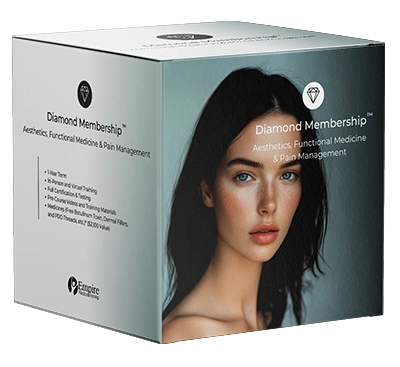
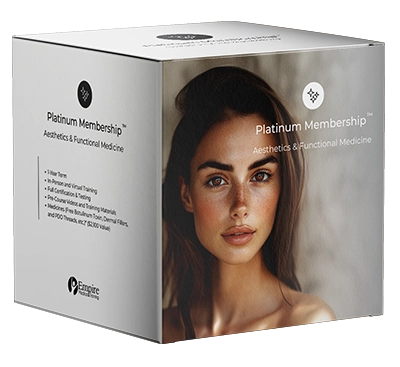
Why pay for a single workshop when you can attend up to 63 FREE!
With 28+ years in business the Empire Membership still remains the top choice for medical and dental professionals.
Members receive additional benefits and discounts!
Saint Patrick’s Day Sale—Ends Fri, Mar 20
16+ Courses
Aesthetics & Functional Medicine
22+ Courses
Aesthetics, Functional Medicine
35+ Courses
All-InclusiveRecommended Preparation
Join our attendees in celebrating “far none, the best course [they’ve] ever been to.” Physicians and healthcare professionals will develop and perfect their Aesthetics skills in this “game-changing course.” This fully comprehensive seminar combines practical and immersive learning to avoid complications while performing injectable procedures. Course taught by board-certified physicians and renowned surgeons.
The program is approved for 8.0 AMA PRA Category 1 Credit™
Explore WorkshopEmpire Rewards Wheel