







 Medically reviewed by
Chris Croley, MD
Board-Certified Anesthesiologist & Critical Care Physician; Empire Chief Medical Officer
Medically reviewed by
Chris Croley, MD
Board-Certified Anesthesiologist & Critical Care Physician; Empire Chief Medical Officer NAD+ IV therapy is one of the fastest-growing elective infusions in wellness and aesthetic practice. Patients arrive having read that it reverses aging, sharpens the mind, and helps break addiction. The underlying biology is genuinely fascinating and well established — but the gap between what NAD+ does in a cell and what an NAD+ infusion has been proven to do in a person is wide, and it is the provider's job to hold that line honestly. This guide sits within Empire's broader IV nutrition therapy resource center and is written for clinicians who want the mechanism, the candid evidence, and the safety reasoning — not the marketing.
It is clinical education, not medical advice, and nothing here is a protocol, dose, or treatment recommendation. Specific infusion rates, dosing ranges, and step-by-step technique are taught in Empire's hands-on course.
What is NAD+?
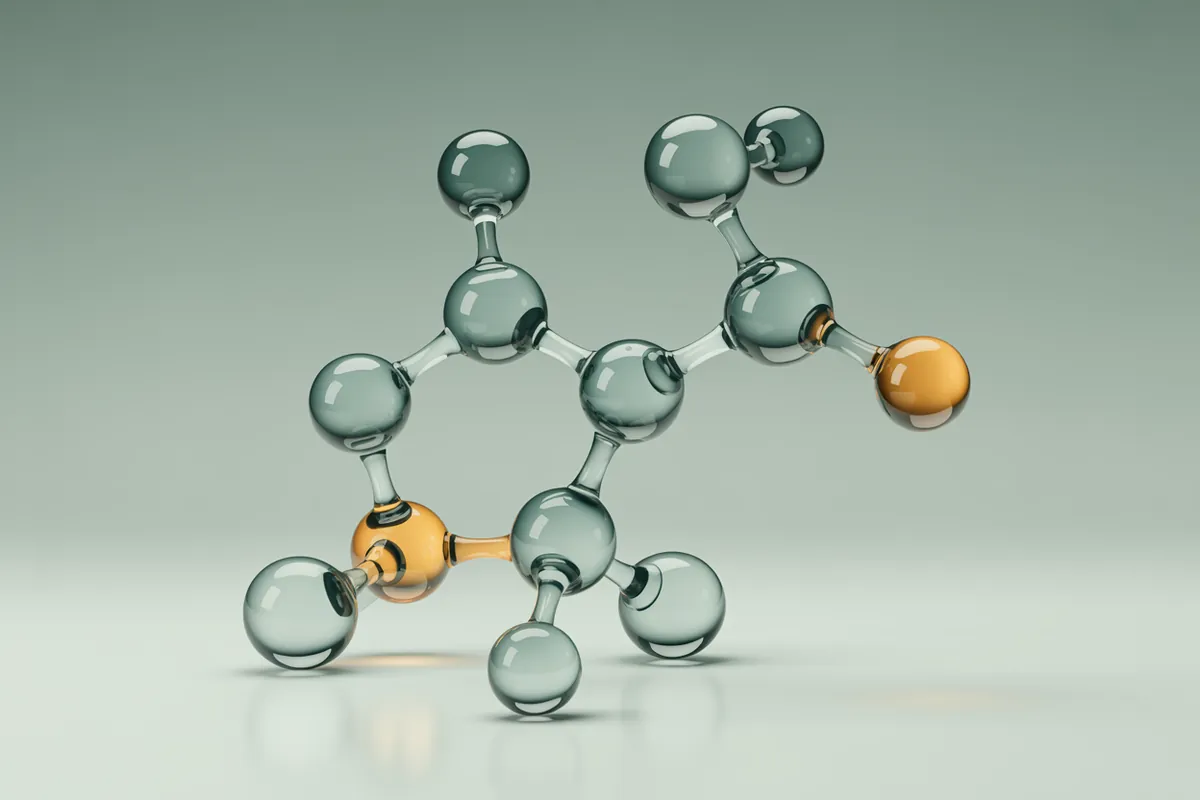
NAD+ stands for nicotinamide adenine dinucleotide — a coenzyme found in all living cells and one of the most important molecules in human metabolism. As Dr. Chris Croley frames it in Empire's IV nutrition curriculum, NAD+ is central to cellular energy production: it functions through redox reactions, accepting and donating electrons so that the cell can break down glucose, fatty acids, and amino acids to generate ATP, the energy currency of the cell.
Its role does not stop at energy. NAD+ also participates in DNA repair, gene expression and regulation, and circadian-rhythm control. And it is the required fuel for a family of enzymes called sirtuins — proteins that regulate cellular health, DNA repair, and inflammation, and that are widely studied for their connection to longevity. That sirtuin link is precisely why NAD+ has become a centerpiece of anti-aging conversations: a single coenzyme sits at the intersection of how cells make energy, repair themselves, and age. The biology is real. The open question, addressed below, is how much an infusion changes any of it clinically.
Why NAD+ declines with age
NAD+ is not a fixed quantity. Levels naturally decline as we age, and that decline is the rationale behind the entire field of NAD+ supplementation. As cellular NAD+ falls, the machinery that depends on it — ATP production, DNA repair, sirtuin activity, mitochondrial function — has less of its essential cofactor to work with.
Lower NAD+ levels have been associated with several age-related conditions, including neurodegenerative disease, cardiovascular disease, and diabetes, and chronic neurodegenerative conditions in particular tend to track with reduced NAD+. The logical hypothesis — replenish NAD+ and you may counteract some of these effects — is reasonable and motivates the therapy. It is important to be precise, though: an association between falling NAD+ and aging is not the same as proof that topping NAD+ back up reverses those processes in people. That distinction is the honest center of this whole topic, and it is explored directly in the evidence section below. For the longevity context behind sirtuins and cellular aging more broadly, see our peptide therapy pillar.
How NAD+ IV therapy works
The case for the intravenous route is the same logic that underlies IV nutrition broadly: delivering NAD+ directly into the bloodstream bypasses the digestive system, where absorption of many nutrients is limited and variable. The infusion is prepared in a saline base and run as a controlled IV drip.
What sets NAD+ apart from a routine vitamin drip is that it cannot simply be run in fast. NAD+ has a well-recognized tendency to provoke uncomfortable reactions when it enters the circulation too quickly, so the defining feature of an NAD+ infusion is its deliberately slow rate. This is not a comfort preference — it is the core safety and tolerability mechanism of the therapy, and it is why a session that would take twenty minutes for a standard vitamin bag can instead run for hours. Croley's clinical approach is to start low and go slow: begin with a conservative test rate, confirm the patient tolerates it, and only then titrate upward toward the goal. Because tolerance varies from patient to patient, the rate is individualized in real time rather than fixed.
Claimed benefits of NAD+ therapy
NAD+ is marketed across a remarkably broad set of indications. Grouped honestly, the reported benefits fall into a few buckets:
- Energy and fatigue. Increased metabolism and energy levels, and reduced fatigue — including in chronic fatigue syndrome — flow directly from NAD+'s role in ATP production.
- Cognition and mood. Improved focus, memory, and sleep, with some reports of relief from anxiety and PTSD symptoms.
- Anti-aging. Support for DNA repair, reduced oxidative stress, and improved mitochondrial function — the sirtuin-driven longevity rationale.
- Addiction and withdrawal. Use as a supportive therapy during alcohol and drug recovery, where it is described as helping restore brain function, improve mental clarity, and reduce cravings.
Two honesty caveats belong right next to that list. First, much of this is preclinical or anecdotal — reported benefits and individual experience, not outcomes confirmed in large human randomized controlled trials. Second, in the addiction setting Croley is explicit that NAD+ should be positioned as part of a comprehensive recovery plan, not a standalone cure; treating substance-use disorder with an infusion alone is not the standard of care. Patients deserve to hear the enthusiasm and the qualifier.
What the evidence actually shows
This is the section most NAD+ marketing skips, so it is worth being blunt. The biology of NAD+ is well established. The clinical proof for NAD+ infusions is not. NAD+'s role as a coenzyme in metabolism, DNA repair, and sirtuin activation is textbook science. The leap that requires evidence is the next one: that infusing NAD+ meaningfully raises functional NAD+ in target tissues and produces the energy, cognitive, anti-aging, or addiction outcomes patients are seeking.
For that leap, the human data remain limited and emerging. Much of what supports NAD+ therapy is preclinical work, mechanistic plausibility, and patient-reported experience rather than large, well-controlled randomized trials. That does not make NAD+ worthless — mechanism plus consistent anecdote is how many therapies begin — but it does mean the responsible framing is elective wellness therapy with honest expectations, not proven medicine. A useful parallel is IV versus oral supplementation: replacing a documented deficiency rests on far firmer ground than elective optimization in an already-healthy person, and NAD+ sits closer to the latter. Regulators reinforce this line — clinics may not claim an IV therapy does something it has not been proven to do. Communicate plausibility, communicate uncertainty, and let the patient choose with clear eyes.
The infusion experience and safety
Understanding the patient experience is largely about understanding why the rate matters. When NAD+ is infused too quickly, patients commonly report a cluster of reactions: chest tightness or pressure, anxiety, nausea, muscle excitability, intestinal cramping, and lightheadedness. These are uncomfortable and can be frightening in the chair, but they are characteristically rate-related rather than signs of true toxicity.
The practical consequence is the central teaching point of NAD+ administration: you must be prepared to take your time. The reassuring counterpart is that the fix is simple and fast — slowing or briefly pausing the infusion typically mitigates or stops the symptoms within a couple of minutes, after which the drip can resume at a gentler rate. Setting this expectation with the patient before the infusion — telling them what they might feel and that it resolves the moment the rate is eased — turns a scary surprise into a manageable, expected part of the session.
The broader IV safety fundamentals still apply and are not optional: proper vascular access, strict sterility and aseptic preparation, screening for allergies and relevant comorbidities, and readiness to manage an allergic or anaphylactic reaction. NAD+ is an elective infusion, which raises — not lowers — the bar for a careful good-faith medical evaluation and appropriate patient selection. The conceptual point here is the safety logic; the protocols, monitoring schedules, and emergency preparedness are taught in depth in the course. See also our companion overview of IV nutrition therapy safety fundamentals.
Who NAD+ therapy may suit
Framed honestly, NAD+ tends to appeal to health-motivated adults seeking elective wellness and anti-aging support — people drawn to energy, focus, and longevity goals who understand they are choosing an optimization therapy rather than a treatment with guaranteed outcomes. Croley counts it among his own favorite infusions, citing real-world help with the fatigue and disrupted sleep-wake cycles of heavy travel, while still presenting the benefits as reported rather than proven.
A distinct population is patients in alcohol or drug recovery, where NAD+ may serve as supportive care — with the firm caveat that it belongs inside a comprehensive, professionally supervised recovery program. As with any IV therapy, candidacy depends on overall health status, adequate organ function, a documented good-faith medical exam, and screening for the allergies, comorbidities, and relative contraindications (such as pregnancy and breastfeeding) covered across the IV curriculum. The honest provider sets expectations carefully and selects patients with the same rigor used for any medical procedure.
Training to offer NAD+ infusions
Because NAD+ combines genuine physiology, an evidence base that is still maturing, and a real rate-related side-effect profile, it is exactly the kind of therapy that rewards structured training over trial and error. Competence here means understanding NAD+ biology well enough to counsel patients honestly, selecting candidates appropriately, securing reliable vascular access with proper sterility, and — above all — mastering rate titration so you can deliver the dose comfortably and respond calmly when a patient reports chest tightness or nausea.
Empire's curriculum, developed by board-certified anesthesiologist and critical-care physician Dr. Chris Croley, situates NAD+ within the full IV nutrition therapy system — from osmolarity and solution selection to documentation, regulatory compliance, and the hands-on infusion technique you cannot learn from a page.
Learn NAD+ infusion the right way
Empire Medical Training's IV Nutrition Therapies Training is a CME-accredited, hands-on program covering NAD+ infusion, rate titration, patient selection, safety, and the full IV nutrition curriculum — developed and taught by Dr. Chris Croley, MD. Available in person and via livestream.
Explore the IV Nutrition Therapies Training → Claim Your Prize!