







 Medically reviewed by
Chris Croley, MD
Board-Certified Anesthesiologist & Critical Care Physician; Empire Chief Medical Officer
Medically reviewed by
Chris Croley, MD
Board-Certified Anesthesiologist & Critical Care Physician; Empire Chief Medical Officer Glutathione is one of the most talked-about compounds in wellness IV therapy, and for good reason: it is the body's principal intracellular antioxidant and a workhorse of detoxification. It is also one of the compounds where the gap between what the biochemistry establishes and what marketing claims is widest. This guide separates the two. It situates glutathione within the broader field of IV nutrition therapy and is written for clinicians who want an accurate, practical overview — not a sales sheet.
This is clinical education, not medical advice. Nothing here is a treatment recommendation, protocol, or substitute for individualized clinical judgment and current product labeling.
What is glutathione?
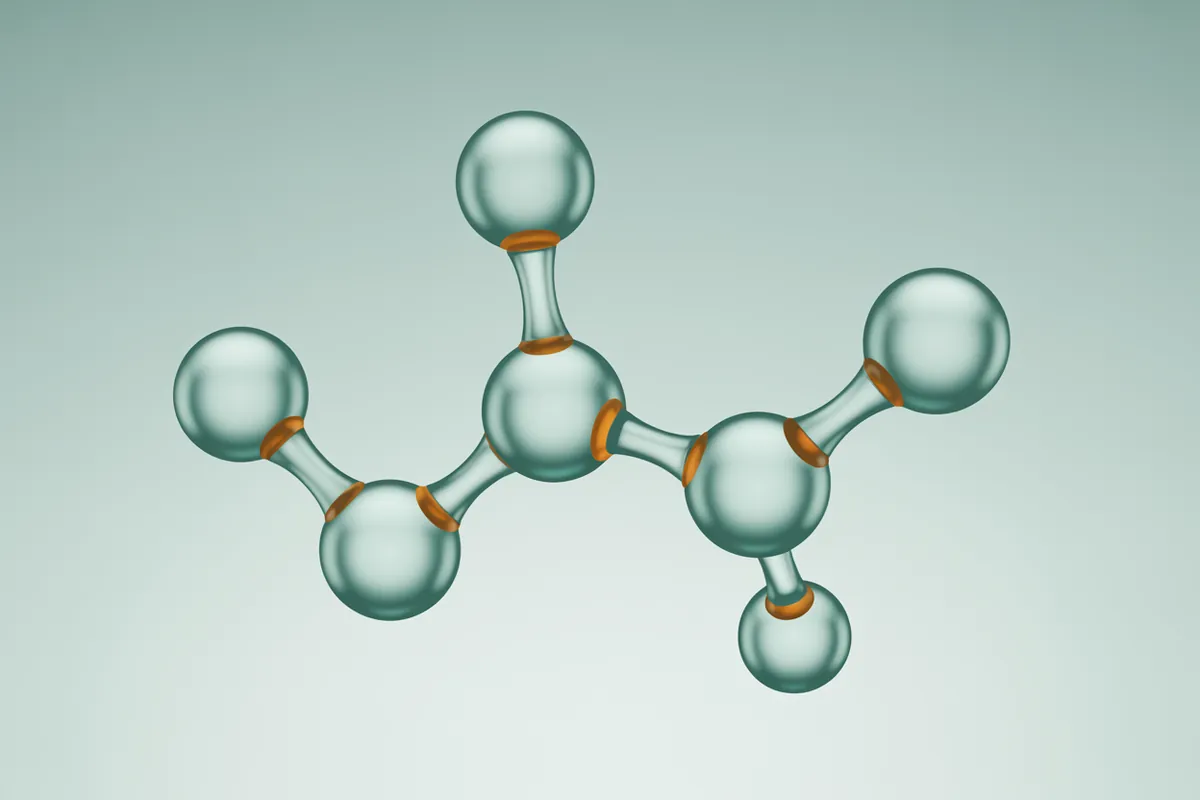
Glutathione is one of the most abundant antioxidants in the human body. Empire's IV faculty, Dr. Chris Croley, often recounts how the physician who taught his first IV class so trusted glutathione that she told her family to bring it and give it to her immediately in the event of a serious injury or illness — a story that captures how clinicians who use it think about its importance. What makes it remarkable is its simplicity: glutathione is a tripeptide, built from just three amino acids — cysteine, glutamic acid, and glycine. The cysteine residue carries a sulfur-containing thiol group, and that thiol is the chemical engine behind nearly everything glutathione does.
The body produces glutathione naturally, but our levels are not fixed. As we age and accumulate chronic illness, natural glutathione tends to decline, which is thought to leave cells more vulnerable to oxidative damage. That decline is a large part of why glutathione has become a target for supplementation — the premise is to restore a molecule the body makes less of over time.
Mechanistically, glutathione works on several fronts at once. It provides antioxidant protection, donating electrons to neutralize free radicals and limit their damage to cells and DNA. It is central to detoxification, helping the liver conjugate and clear harmful substances including heavy metals and other toxins. It supports the immune system by enhancing the activity of white blood cells. It contributes to protein synthesis and the maintenance of other cellular components. And it helps maintain overall cell health, buffering tissues against oxidative stress and inflammation. This is the legitimate, well-described core of what glutathione is — before any wellness marketing is layered on top.
Why give glutathione intravenously?
The case for the intravenous route rests on bioavailability, and glutathione is one of the more genuine examples of that argument in IV nutrition therapy. For a long time, the prevailing view was that oral glutathione is poorly absorbed — that the digestive tract breaks the tripeptide down before it can reach the bloodstream intact. Delivering it intravenously bypasses the gut entirely, putting the molecule directly into circulation.
The honest, current picture is more nuanced. The oral-absorption question is still debated: some newer studies suggest oral glutathione can in fact be taken up by intestinal cells and converted into its active form in red blood cells and the liver. So the older "oral does nothing" framing has softened. What remains true is that the IV route delivers a known, immediate dose into the blood without depending on gut handling — which is exactly why many providers who use glutathione clinically still prefer it. For a fuller treatment of when the intravenous route is worth the cost and when it is not, see our comparison of IV versus oral supplements.
Claimed benefits — and how solid they are
It helps to sort glutathione's claims into tiers, because they are not all backed equally.
Antioxidant and detoxification support
This is the strongest ground. Glutathione's role as the cell's master antioxidant and as a cofactor in hepatic detoxification is well established at the biochemical level — it neutralizes free radicals and participates directly in the liver's clearance of toxins and heavy metals. The reasonable claim is that glutathione supports these systems. The overreach is implying that an infusion meaningfully "detoxes" the body of unspecified toxins in a way that produces measurable clinical outcomes; that broader claim is not well supported.
Immune support
Glutathione contributes to normal white-blood-cell function, so there is a plausible mechanistic link to immune support, and patients frequently seek it for that reason. But "supports immune cell function" is a biochemical statement, not proof that IV glutathione prevents or shortens illness. Treat immune-boost language as a hypothesis, not a demonstrated outcome. The same caution applies across the cluster — see IV therapy for immune support.
Skin brightening and skin lightening
This is the weakest and most heavily marketed claim, and it deserves a clear statement: skin-lightening and skin-brightening uses of IV glutathione are off-label and not well supported. Glutathione can shift melanin synthesis toward lighter pigment in laboratory settings and a handful of small studies, which is the mechanistic seed behind the marketing. But robust, high-quality evidence for durable cosmetic skin-lightening from IV glutathione is lacking, and the FDA has not approved glutathione for skin lightening. Providers should not advertise cosmetic skin-lightening as an established outcome.
What the evidence shows
The candid summary is that glutathione's foundational biology is solid and its clinical wellness claims are thin. That it is the body's master antioxidant, that it is built from cysteine, glutamic acid, and glycine, that it supports detoxification and white-cell function — these are textbook. What is far less settled is whether bumping circulating glutathione with an infusion produces the energy, anti-aging, immune, or cosmetic outcomes that wellness clinics often promote. Much of that benefit is reported anecdotally and has not been confirmed in large, rigorous human trials.
This mirrors a theme that runs throughout IV nutrition therapy: there is a real difference between correcting a deficiency — or supporting a well-defined biochemical pathway — and selling an elective wellness infusion on the strength of mechanism alone. Glutathione sits in an honest middle. Its physiology is real and its safety profile is reasonable, but the responsible provider frames it as antioxidant and detoxification support, not as a proven treatment for specific diseases or a guaranteed cosmetic result. The FDA has been explicit that IV therapy clinics must not make health claims that have not been substantiated — and glutathione is precisely the kind of compound where that line is easy to cross.
How glutathione IV therapy is given
In practice, glutathione is rarely the whole appointment. The most common pattern is to add it as a slow IV push at the end of a vitamin infusion — frequently a Myers'-type cocktail of B vitamins, vitamin C, magnesium, and minerals. The patient receives the base infusion, and then glutathione is pushed slowly over several minutes as the finishing step. Doses used clinically generally start modestly and can be adjusted upward based on the patient, with the intravenous route favored precisely because it sidesteps the oral-absorption question.
There is a practical compounding wrinkle worth understanding conceptually. Some providers instead add glutathione into the last portion of fluid in the IV bag and let it infuse as the drip finishes. That works, but it counts as adding an ingredient to the bag — and immediate-use IV preparation rules limit how many sterile components a single bag may contain. A slow IV push, by contrast, does not add an ingredient to the bag, which is part of why it is the cleaner option when a protocol is already near that limit. The exact doses, push rates, concentrations, infusion-compatibility details, and the immediate-use compounding math are taught in Empire's IV Nutrition Therapies Training rather than reproduced here, because concentrations vary by pharmacy and the technique is where safety lives.
Safety and cautions
IV glutathione is generally well tolerated when administered by a qualified provider using sterile technique and sound patient selection. It does not carry the dramatic cautions of, say, high-dose vitamin C, which requires G6PD screening. Still, several considerations belong on every provider's radar.
- Sulfur sensitivity. Glutathione is a sulfur-containing molecule by virtue of its cysteine thiol. Patients with sulfa or sulfite sensitivity warrant extra care, and a thorough allergy history — covering not just the active ingredient but preservatives and additives in the formulation — should precede any infusion.
- Asthma and bronchospasm. Rare bronchospasm has been reported with glutathione, which is why a history of asthma deserves attention before administration and monitoring during it.
- General infusion risks. As with any IV therapy, vascular access, strict sterility, and the small but real possibility of an allergic or anaphylactic reaction apply. Resuscitation readiness — the ability to recognize and treat a reaction — is part of running an IV practice responsibly.
- Good-faith evaluation. Glutathione therapy is a medical procedure. It requires a good-faith medical exam by an authorized prescriber, appropriate documentation, and informed consent that presents benefits and risks honestly rather than in an alarmist or oversold way.
Who it suits
The candidates who fit glutathione best are generally healthy adults seeking antioxidant and detoxification support as part of a broader wellness plan — often patients already receiving a vitamin infusion who want glutathione added as the finishing push. It pairs naturally with the integrative, anti-aging, and recovery-oriented services many aesthetic and wellness practices offer.
It is a poorer fit, or warrants caution, in patients with known sulfur or sulfite sensitivity, in poorly controlled asthma, and in anyone whose expectations are anchored to unproven claims — particularly cosmetic skin-lightening. Pregnancy and breastfeeding call for individualized caution, as with IV nutrients generally. And as always, the patient's expectations should be calibrated to what the evidence actually supports. The provider's job is not just to administer glutathione well but to frame it honestly — the surest way to build a wellness practice that lasts.
Training to offer glutathione IV therapy
Glutathione is simple as a molecule and deceptively easy to administer, which is exactly why structured training matters. The clinical skill is not pushing a syringe — it is everything around it: understanding the biochemistry well enough to counsel patients honestly, selecting and screening candidates, knowing dosing ranges and IV-push technique, staying inside immediate-use compounding rules, and communicating benefits without crossing into unsubstantiated claims.
Empire's curriculum teaches glutathione in that full context, alongside the rest of the IV nutrition toolkit. It connects to the broader Anti-Aging & Functional Medicine Academy and to the complete IV Nutrition Therapy resource center for providers building or expanding a wellness-infusion practice responsibly.
Learn IV therapy the right way
Empire Medical Training's IV Nutrition Therapies Training is a CME-accredited course developed by Dr. Chris Croley, MD — board-certified anesthesiologist and Empire's Chief Medical Officer. It covers glutathione and the full IV nutrient toolkit: biochemistry, dosing, IV-push technique, compounding and compliance, patient selection, safety, and honest benefit communication. Available in person and via livestream.
Explore the IV Nutrition Therapies Training → Claim Your Prize!