







 Medically reviewed by
Faride Ramos, MD, FAAMFM, ABAARM
Double Board-Certified in Internal & Functional Medicine
Medically reviewed by
Faride Ramos, MD, FAAMFM, ABAARM
Double Board-Certified in Internal & Functional Medicine Few topics in gut health generate more confusion than leaky gut. Patients arrive convinced it explains everything; some clinicians dismiss it entirely. The truth sits in between, and getting it right matters. As Dr. Faride Ramos frames it in Empire's functional gut health course, the honest clinical position is to separate two things: increased intestinal permeability, which is a real and measurable physiological state, and “leaky gut syndrome,” the broader functional-medicine label that is not formally recognized as a standalone diagnosis.
This guide situates leaky gut within the broader subject of gut health and is written for clinicians who want an accurate, candid overview. It is clinical education, not medical advice, and nothing here should be read as a treatment recommendation or protocol.
What is leaky gut?
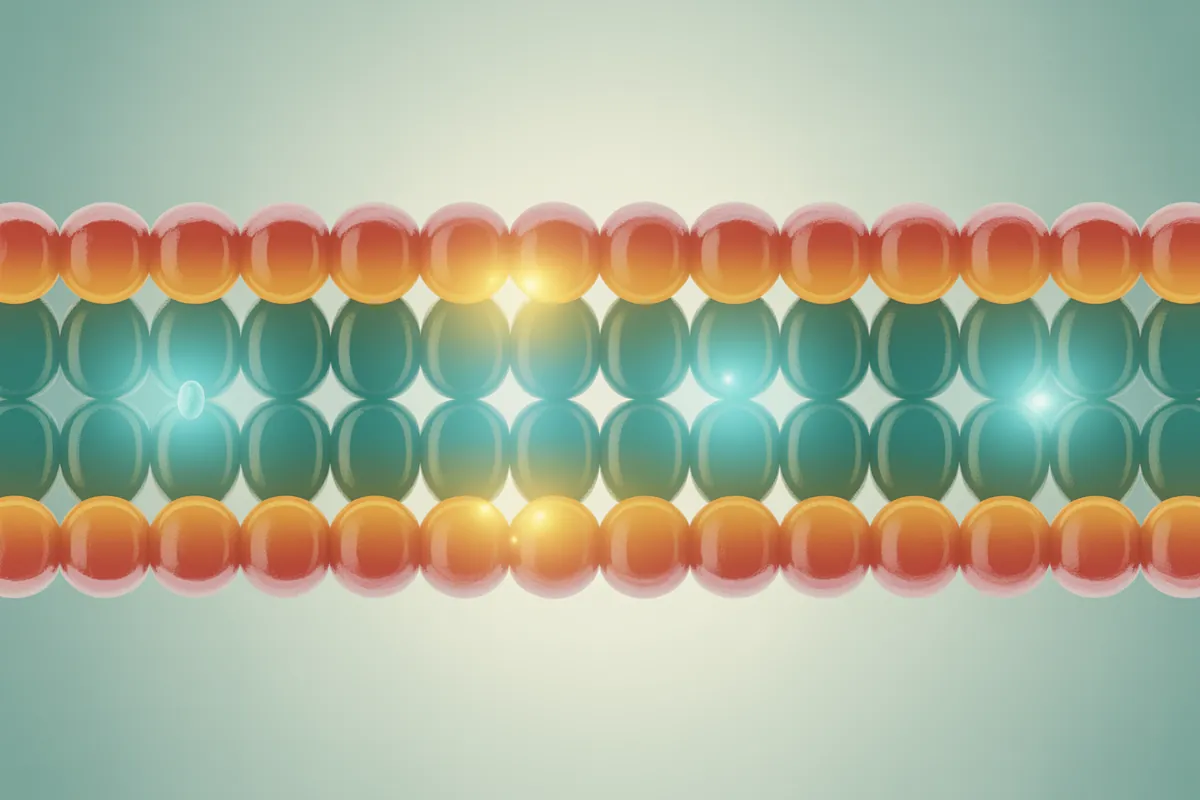
To understand leaky gut, start with the structure it describes. The intestinal lining is the body's primary interface with everything we ingest. It is built around a single layer of epithelial cells that, as Dr. Ramos teaches, has to perform two opposite jobs at once: selectively absorb beneficial nutrients into the bloodstream while keeping out a vast array of external substances, including food antigens and environmental toxins. That selective gatekeeping is what a healthy gut barrier does.
What holds that single-cell layer together are tight junctions — the protein seals between adjacent epithelial cells that determine how tightly the barrier is closed. They are not static. Their openness is actively regulated, and one of the key regulators is a protein called zonulin, which controls the movement of molecules across the gut lining. When tight-junction regulation is working, the barrier stays appropriately selective. When it loses integrity, the barrier becomes more permeable — and that increased permeability is precisely what “leaky gut” is meant to describe.
The mechanism Dr. Ramos emphasizes is that this is not a single wall but a layered defense system: a physical barrier (tight junctions and epithelial integrity), a chemical barrier (mucus, enzymes, and stomach acid), a microbial barrier (the gut microbiota acting as an immune modulator), and an immune barrier (the gut-associated lymphoid tissue, or GALT). Permeability is the property of the physical barrier specifically, but it is shaped by all four layers working together.
The science vs. the “syndrome”
This is where intellectual honesty matters most. Increased intestinal permeability is real, measurable, and well established in mainstream medicine. Barrier dysfunction is documented and accepted in conditions such as celiac disease and Crohn's disease, and the phenomenon has been studied since the 1970s. None of that is fringe. Researchers have also linked altered barrier function to disorders including irritable bowel syndrome and food allergies, and the association between high permeability and inflammatory conditions is an active, legitimate area of study.
The term “leaky gut syndrome” is a different thing. It is the functional-medicine framing that takes the measurable phenomenon of permeability and casts it as a standalone diagnosis driving a wide range of illnesses. That broader claim is not formally recognized, and it should be presented candidly as such. As Dr. Ramos puts it plainly, there is “the other side of the coin”: in conventional medicine the direct-cause evidence is limited, and it remains unclear whether targeting permeability itself is an effective way to prevent or treat conditions like IBS. More research is needed before permeability becomes a gold-standard treatment target.
What damages the gut barrier
Whatever one calls the end state, the inputs that compromise the barrier are well described. Dr. Ramos catalogs a consistent list of disruptors that can weaken the gut lining and increase permeability:
- Diet, food allergies, and intolerances — inflammatory foods and individual sensitivities that irritate the lining (see our overview of food sensitivities and intolerances).
- Chronic stress — one of the most consistently cited contributors, with supporting research linking stress directly to altered gut-barrier function.
- Gut dysbiosis — an imbalance of gut bacteria, with too many pathogenic organisms (bacteria, viruses, parasites, or yeast) and too few of the beneficial ones (see gut dysbiosis).
- Persistent infections of any kind, which keep the lining under chronic assault.
- Regular NSAID use — common over-the-counter pain relievers that can weaken the intestinal lining and lead to structural damage.
- Excessive alcohol, bile acid imbalances, hormonal fluctuations, and aging-related changes — additional factors that erode barrier integrity over time.
The clinical takeaway is the one Dr. Ramos returns to throughout her teaching: symptoms are usually the surface manifestation of one or more of these underlying drivers. A root-cause approach — identifying which disruptor is actually at work for a given patient — is what makes intervention meaningful, rather than simply layering on probiotics or enzymes and hoping.
The immune and autoimmune connection
The reason barrier integrity attracts so much attention is its proximity to the immune system. The gut is the body's primary defense interface, and a large share of immune tissue lives in the gut wall as the GALT. So when the barrier becomes more permeable, the proposed mechanism is straightforward: substances that should stay in the gut lumen — bacterial fragments, undigested food particles, pathogens — cross into deeper tissue and the bloodstream, where they can drive immune activation and an increased antigenic and toxic load.
Dr. Ramos describes a measurable signature for this. Components of gram-negative bacterial cell walls, called lipopolysaccharides (LPS), function as endotoxins; when they cross a compromised barrier, they can trigger an inflammatory immune response. This is the biological logic behind the association between dysregulated permeability and inflammatory and autoimmune conditions, including the documented barrier dysfunction in celiac disease and the broader associations functional-medicine clinicians describe.
Here, candor is essential again. Association is not proof of a one-way causal chain. That increased permeability is found alongside immune activation in certain conditions is established; the claim that leaky gut causes a long list of unrelated systemic and autoimmune diseases outruns the current evidence. The responsible framing is that the barrier and the immune system are intimately linked, that permeability is a plausible and partly validated contributor, and that the full causal picture is still being worked out.
How intestinal permeability is assessed
Because permeability is a physiological property, it can be measured — and the assessment tools are part of what separates serious clinical work from speculation. Dr. Ramos describes a panel of gut-barrier biomarkers used to evaluate barrier integrity and the immune response to its breakdown:
- Zonulin antibodies — reflecting activity of the key tight-junction regulator; elevations suggest disrupted junction function and increased permeability.
- Occludin antibodies — a marker of tight-junction integrity, since occludin is a crucial protein maintaining junction stability.
- Actomyosin network antibodies — reflecting the structural complex that regulates tight-junction contraction and barrier integrity.
- Bacterial lipopolysaccharide (LPS) antibodies — suggesting that endotoxin has crossed the barrier and activated the immune system.
Functional and integrative practitioners also lean on comprehensive stool analysis and related testing to characterize the broader picture. One point Dr. Ramos makes emphatically belongs in any assessment discussion: a high fecal calprotectin is a red flag. Calprotectin is an FDA-cleared inflammatory biomarker capable of helping differentiate IBS from inflammatory bowel disease, and a significantly elevated result should prompt referral and conventional workup — including colonoscopy to rule out Crohn's or ulcerative colitis — not a permeability-repair protocol. Functional stool testing is covered in its own guide; the detailed interpretation of these panels is taught in Empire's course.
How the gut barrier is supported
When the goal is to support a compromised barrier, the functional-medicine approach is sequential and root-cause-driven rather than a single supplement. Dr. Ramos teaches it conceptually as remove, replace, repopulate, repair, and rebalance — an honest framing that keeps the work anchored to the underlying driver rather than chasing the symptom. At a conceptual level:
- Remove triggers — identify and eliminate inflammatory foods, allergens, and any overgrowing pathogens that are perpetuating the problem.
- Support digestion and the microbiome — replace what is missing (such as digestive enzymes or stomach acid where indicated) and repopulate with appropriate prebiotics and probiotics to restore balance.
- Supply gut-repair nutrients — Dr. Ramos highlights zinc (mucosal protection), vitamin A (epithelial cell health), and L-glutamine (tissue repair and a precursor for glutathione) as the core repair-phase nutrients used to help remodel barrier integrity.
- Rebalance — address the lifestyle inputs that decide whether the barrier holds: an anti-inflammatory diet, stress, sleep, and the circadian factors that influence gut function.
One cross-cluster note belongs here. The regenerative peptide BPC-157 is discussed in regenerative circles as a gut-repair compound; like the rest of this discussion it is presented conceptually, and it sits in a different and less rigorously established evidence category than the foundational steps above. For the full sequence as a clinical workflow, see our gut healing protocol overview. The specific assessment-to-repair protocols, dosing, and supplement selection are deliberately reserved for Empire's Functional Gut Health course — this page teaches the science and the why, not a substitute treatment plan.
Learn gut-barrier repair the right way
Empire Medical Training's Functional Gut Health course teaches barrier physiology, honest interpretation of functional testing, red-flag recognition, and evidence-graded repair within a root-cause framework — taught by board-certified physicians including Dr. Faride Ramos. Build a defensible, candid approach to gut health for your practice.
Explore the Functional Gut Health Course →Training for providers
Leaky gut is a topic where the difference between a credible clinician and an overclaiming one comes down to how honestly the evidence is handled. A provider who can explain that increased intestinal permeability is real and measurable, that “leaky gut syndrome” as a catch-all diagnosis is debated, and that certain symptoms demand conventional GI workup — that provider earns trust and protects patients. That balanced judgment is exactly what structured education delivers.
Empire's curriculum is built around this kind of practical, candid reasoning: barrier physiology, the disruptors that compromise it, honest interpretation of the biomarker panels, the red flags that route a patient to conventional gastroenterology, and the remove-replace-repopulate-repair-rebalance framework applied responsibly. It connects the science of the gut microbiome to a defensible clinical workflow, and every step is graded against the strength of its evidence rather than the strength of its marketing.
 Claim Your Prize!