







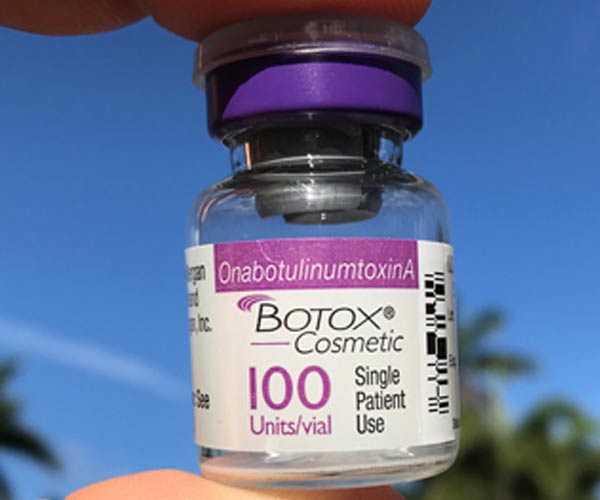
“How much is a vial of Botox?” has two completely different answers depending on who is asking. A patient wants to know what a treatment costs. A provider wants to know what the product costs them wholesale, how many units are in the vial, and what that works out to per unit once waste and overhead are accounted for. This guide answers the provider version properly, because that is the number you actually run a practice on.
One caveat up front: wholesale pricing moves. The figures below reflect published 2026 pricing, but list prices change and distributor pricing depends on volume, so confirm current numbers with your own supplier before you set your fee schedule.
What a Vial of Botox Costs a Provider
Botox Cosmetic is supplied in a 100-unit vial. (The 200-unit presentation is Botox Therapeutic, used for medical indications such as chronic migraine and hyperhidrosis — a different product line, and the source of a lot of confused pricing online.)
For the 100-unit Cosmetic vial, three numbers matter:
- Published WAC (Wholesale Acquisition Cost): approximately $656 per 100-unit vial, per AbbVie's public pricing disclosure. This is the list benchmark, not what most clinics actually pay.
- Typical distributor cost, low-to-mid volume: commonly $500–$600 per vial through authorized US distributors for practices ordering a handful of vials a month.
- High-volume negotiated cost: large practices and chains ordering at scale can reach $300–$400 per vial.
The gap between $656 list and $400 negotiated is not a rounding error — at a busy practice it is the difference between a healthy and a thin toxin margin. Volume and distributor relationship are the levers.
How Many Units Are in a Vial, and What That Means Per Unit
A Botox Cosmetic vial contains 100 units. So the per-unit product cost is simply your vial cost divided by 100:
- At $600/vial → $6.00 per unit in raw product
- At $500/vial → $5.00 per unit
- At $400/vial → $4.00 per unit
That is product cost only. It is not what a unit costs you to deliver, and pricing off the raw number is how practices quietly lose money on toxin.
Why Your Real Cost Per Unit Is Higher Than the Vial Math
A reconstituted vial has a working life. Any product not used within that window is waste, and waste is real cost spread across the units you did bill. A provider who reconstitutes a full vial for a single small treatment can easily double or triple their effective per-unit cost.
Layered on top of product and waste:
- Reconstitution supplies, needles, and consumables
- Clinician and staff time per treatment
- Facility, storage and cold-chain overhead
- Insurance and the cost of managing product inventory
The practices that price well track a fully-loaded per-unit cost, not the sticker price of the vial, and they manage vial usage to minimise waste — batching appointments, matching reconstitution to booked demand.
What Patients Pay, and How Providers Set the Fee
Patients are almost always billed per unit rather than per vial, commonly in the range of $10–$20 per unit depending on market, provider experience and positioning. Some practices price per treatment area instead, which can obscure the per-unit economics for the patient but still has to pencil out against your loaded cost.
The spread between a ~$5–$6 product cost and a $10–$20 patient price is not pure profit — it absorbs the overhead above, no-shows, and the clinical expertise the patient is actually paying for. Framing that expertise is what lets a well-run practice hold price without competing on the toxin itself.
Ready to put this into practice?
Explore Empire's hands-on, CME-accredited Aesthetic & Injectable Training courses — live patients, expert faculty, and ongoing mentorship.
Finding Competitive Pricing Without Undercutting Safety
Toxin is one of the few aesthetic products where a “great deal” is frequently a warning sign. Protect the practice on sourcing:
Be skeptical of prices well below distributor norms
If a supplier is offering vials far under the going distributor range, ask why. Counterfeit and grey-market toxin is a real and dangerous problem. The savings are not worth a patient safety event or the licensing exposure that follows.
Buy only through authorized channels
Purchase from AbbVie/Allergan-authorized US distributors. Verify the product, the cold chain, and the paper trail. This is a clinical decision, not a procurement one.
Use volume, not corners, to lower cost
The legitimate route to a lower per-vial price is order volume and distributor relationship — not an unfamiliar supplier with an implausible price.
Manage waste as aggressively as you manage purchase price
For many practices, reducing wasted product moves the effective per-unit cost more than another dollar off the vial. Scheduling and reconstitution discipline are underrated margin levers.
Frequently Asked Questions
How much is a vial of Botox?
A 100-unit vial of Botox Cosmetic has a published WAC around $656, but most practices pay roughly $500–$600 at low-to-mid volume and $300–$400 at high volume through authorized distributors. Confirm current pricing with your supplier, as list prices change.
How many units are in a vial of Botox?
Botox Cosmetic comes in a 100-unit vial. Botox Therapeutic, used for medical indications, comes in a 200-unit vial — a common source of pricing confusion.
What is the cost per unit of Botox for a provider?
Raw product cost is vial price divided by 100 — about $4–$6 per unit at typical wholesale. Your real per-unit cost is higher once waste, supplies, staff time and overhead are included, which is what you should actually price against.
Why do patients pay so much more per unit than the wholesale cost?
The $10–$20 per-unit patient price covers far more than product: overhead, waste, no-shows, and the clinical expertise being provided. Product is a small fraction of the total cost of delivering a safe, good result.
Is cheaper Botox ever a red flag?
Yes. Prices well below the normal distributor range are a warning sign for counterfeit or grey-market product. Source only through authorized channels; lower your cost through volume, not through unfamiliar suppliers.
Master Botox Injection and Practice Economics
Pricing toxin well starts with injecting it well and understanding the business behind it. Empire Medical Training's Botox and neurotoxin training covers hands-on injection technique alongside the practical side of running a profitable, safe aesthetic practice. You can also browse the full schedule of aesthetic training workshops to find the format that fits your practice.




 Claim Your Prize!