Be the pharmacy prescribers call for peptides.
Your prescribers are already writing peptide protocols. Learn the medicine behind them, the compounding and sourcing around them, and the rules that govern both. You train in the same room as the physicians writing the scripts.
One certification is available now. The master certification launches December 1 — pre-enroll and save $500.
The program at a glance
Empire’s Peptide Therapy Certification is built for practitioners who want more than an overview. Physicians, nurse practitioners, physician assistants, dentists and pharmacists all take it together, and for a pharmacist that is the point: the questions you get asked are clinical ones. Not only whether a preparation can be made, but whether it should be — for this patient, at this dose, under the rules as they stand today.
You start at the science and finish at the practice. How each peptide works and who it suits. How it is dosed, stacked and monitored. How medical necessity is documented so the file holds up. Where every peptide currently sits with the FDA. Along the way you get business training from people who run profitable practices, and healthcare-law lessons taught with a law firm. Patient first, peptide second — the same order your prescribers are taught to think in. From the company that has trained medical professionals since 1998.

One program. Three essential disciplines.
We do not just teach you about peptides. You learn the medicine, the regulatory environment, and how the service is built — the same three disciplines your prescribers are learning beside you.
Filling the script is the easy part
Peptides are the fastest-moving corner of compounding, and the pharmacies winning that work are not the ones quoting the lowest price. They are the ones a prescriber can call and get an answer from.
The rules keep moving
The FDA has changed its position on compounded peptides more than once in recent years. Knowing where each peptide stands today is part of your job now.
Sourcing is a clinical decision
Supplier qualification, Certificates of Analysis, purity, sterility, stability. None of that is paperwork. It decides whether the therapy works, and who carries the risk when it does not.
The call comes to you
Prescribers call with real questions. Which peptide. What concentration. Whether it can be compounded at all. Answer those well and you become the pharmacy they send every peptide patient to.
Empire teaches pharmacists and prescribers the same curriculum, at the same time, so both sides of that call speak the same language.
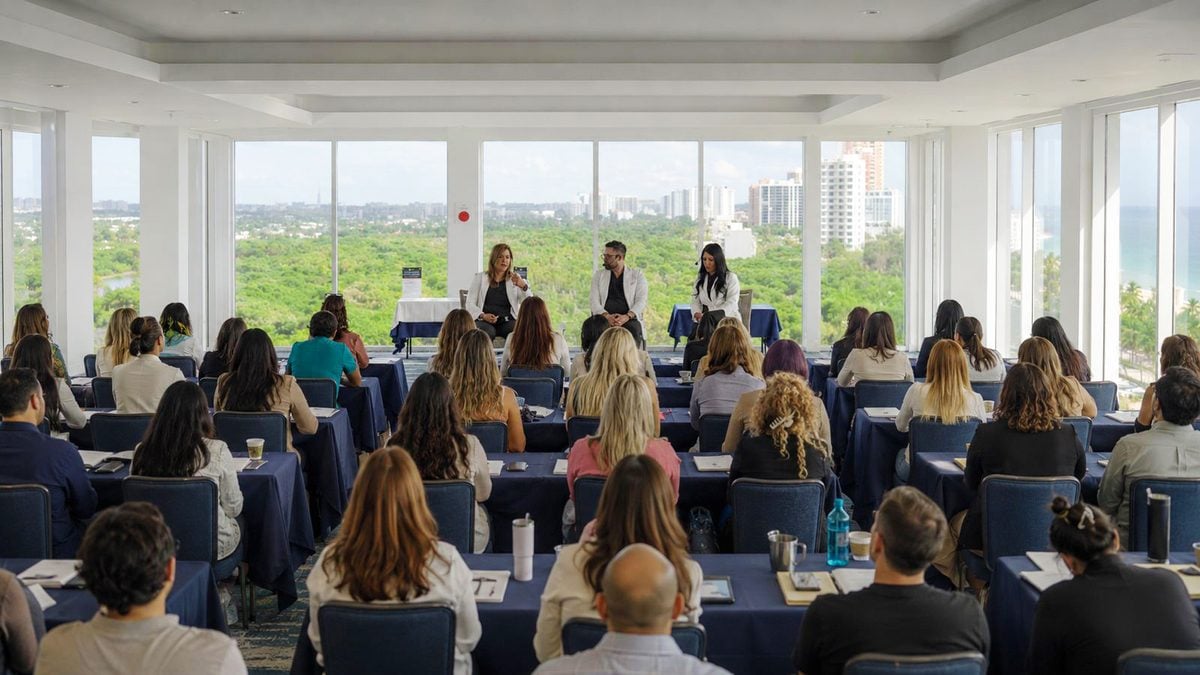
You train in the room with the prescribers
There is no separate pharmacy track. You sit in the same live sessions as the physicians, nurse practitioners and PAs writing these protocols, and you work the same cases they do. That is why the call afterward gets easier.
Two peptide certifications. Pick your depth.
You take the same two programs the physicians take. The Peptide Practitioner Certification (PPC) is available today. The Master Peptide Practitioner Certification (MPPC) is pre-enrolling now and launches December 1.
Peptide Practitioner Certification (PPC)
$3,999$2,999
Available now · save $1,000 Or split it into easy monthly payments with — start now, pay over time iSubject to an eligibility check and approval. Payment options depend on your purchase amount, and a down payment may be required. Rates range from 0–36% APR. Payment options through Affirm are provided by these lending partners: affirm.com/lenders.
- 15+ hours · 18 lessons
2 live workshops
Two days — the Peptide Therapy Master Course and Peptides in Clinical Practice — taught live by Empire faculty across multiple cities and dates. Attend both in person, or by livestream with live Q&A, and begin with either course. Both certification programs include these two workshops.
Course 1: Peptide Therapy Master Course
9 lessons: GLP-1 agonists, growth-hormone secretagogues, repair peptides, hair restoration, clinical operations and compliant practice integration. Learn more about this course →
Course 2: Peptides in Clinical Practice
9 lessons: reconstitution and dosing demonstrations, sourcing and pharmacy law, screening, protocols and practice integration. Learn more about this course →
In person or livestream — your choice
Both courses run in person and by livestream with live Q&A — same course, same content, same price. Choose whatever is more convenient. Start right away on livestream, or wait for an in-person date near you. The video lessons still unlock the day you enroll.
A knowledge-based quiz after every lesson
Each of the 18 lessons ends in a quiz you must pass in the Empire Portal before moving on. No final exam or case series in this program.
Earn 3 credentials in total
A Certificate of Achievement for each of the two courses, plus the PPC certification itself — yours for life. Annual Recertification adds new educational content (on-demand video, resources and virtual training) and proficiency testing each year as agents and regulations change, so the material you hold keeps pace with the field. Earned by passing every lesson quiz, not granted for attendance.
Term: Lifetime
A lifetime credential that never goes stale. The $249-a-year Annual Recertification updates your course material every year — new training videos and new tests covering new agents, new regulatory positions and new safety findings — so you are always up to date and always protected with must-have education. Your status stays current, with no re-examination and no expiration date.
Master Peptide Practitioner Certification (MPPC)
$5,495$4,995
Pre-enroll now · save $500 · immediate early access to the video curriculum · full launch December 1 Or split it into easy monthly payments with — start now, pay over time iSubject to an eligibility check and approval. Payment options depend on your purchase amount, and a down payment may be required. Rates range from 0–36% APR. Payment options through Affirm are provided by these lending partners: affirm.com/lenders.
- 40+ hours · 56 lessons
2 live workshops
Two days building peptide protocols and stacks alongside faculty, working through a printed protocol guide you keep. Attend both in person, or by livestream with live Q&A. Included in both certification programs, not an MPPC extra.
In person or livestream — your choice
Both workshops also run by livestream with live Q&A — attend in person or online, same content, same price, whichever is more convenient for you.
Everything the PPC covers, in more depth
You still attend both workshops and earn their certificates. Their material is then woven into the MPPC curriculum and taught further by the wider faculty. Beyond it you cover many more peptides, work through many more patient scenarios, and study case studies built for clinical application — so you are equipped for the full range of concerns patients bring you, not only the most common ones.
Modules 1–10 — the clinical curriculum
46 of the 56 lessons, taught live by faculty: 1. Foundations & Peptide Science. 2. Regulatory, Sourcing & Compounding Quality. 3. Metabolic Health & Weight Management. 4. Growth Hormone Axis, Anabolic & Performance. 5. Regenerative, Musculoskeletal & Organ Repair. 6. Immune, Gut & Inflammation. 7. Neurocognitive, Mood & Sleep. 8. Longevity, Mitochondrial & Senolytics. 9. Aesthetics, Skin, Hair & Sexual Health. 10. Clinical Practice, Safety & Integration. All 128 formulary agents are taught across these ten. See every lesson →
Module 11 — business & marketing
Five lessons only in the MPPC: clinic economics and profit per treatment, package and membership pricing, pharmacy partnership, and growth — funnels, retention and scale.
Module 12 — healthcare law
Five lessons taught with a board-certified healthcare law firm: legal structure and CPOM, establishing medical necessity and documenting it correctly, delegation and medical direction.
Full curriculum, taught live by faculty
All 12 modules and their 56 lessons, livestream with live Q&A — bring your own patient cases. Every peptide for aesthetics, functional medicine and pain management, with all 128 formulary agents taught in depth.
Faculty review of your own patient cases
5 documented cases from your own practice, with follow-up — you apply every protocol on real patients, with faculty reviewing your work, before you certify.
A knowledge-based quiz after every lesson, plus a final exam
Each of the 56 lessons ends in a quiz you must pass in the Empire Portal. The MPPC then closes with one comprehensive 50-question exam across the whole curriculum — the only program with a final exam.
Earn 3 credentials in total
A Certificate of Achievement for each of the two courses, plus the MPPC certification — yours for life. Annual Recertification adds new educational content (on-demand video, resources and virtual training) and proficiency testing each year as agents and regulations change, so the material you hold keeps pace with the field. The program’s highest credential, earned through the case series and the final exam, not granted for attendance.
Term: Lifetime
A lifetime credential that never goes stale. The $249-a-year Annual Recertification updates your course material every year — new training videos and new tests covering new agents, new regulatory positions and new safety findings — so you are always up to date and always protected with must-have education. Your status stays current, with no re-examination and no expiration date.
Please note: many agents studied in these programs are not FDA-approved for the uses described or are available only as compounded preparations; regulatory status changes over time. Course content, schedules, faculty, pricing and credit designations may change. Faculty statements are their own professional opinions. Certification certifies completion of an Empire educational program and is not a license or specialty board certification. See the Legal Disclaimer, Terms & Conditions and Privacy Statement.
Certifying your pharmacists together costs less per seat
- 4 to 9 seats — 10% off
- 10 seats or more — 15% off
Same curriculum, same credential — the difference is that your team finishes it together, so the protocol conversation inside your pharmacy is one conversation instead of four. At current pricing, ten seats on the master certification saves $7,492.
Group rates are arranged by phone rather than at checkout, so we can match the seats to the right program and dates.
Twelve modules. The four that change your day the most.
You take all 12 modules and 56 lessons. These four matter most to a pharmacy.


128 peptides, each with its FDA status
This is the reference we teach from. Every peptide, what it treats, how it is dosed, and where it stands with the FDA. It is free to read right now. Read it before you spend anything, and judge us on it.
Browse the Formulary
How the peptide certification works around a full-time counter
No prior peptide experience is required, and the schedule is built so a working rota is not the thing that stops you.
-
Start the day you enroll
The video curriculum unlocks immediately and is fully self-paced. Watch it at whatever hour suits your shift.
-
Attend the two live workshops
Held in person across multiple cities and dates — or attend by livestream with live Q&A if nothing lands near you. Same content, same price. See upcoming dates →
-
Pass as you go
A knowledge-based quiz after every lesson in the Empire Portal. The MPPC adds five documented patient cases and a 50-question final exam.
-
Certify
PPC: about a month or less. MPPC: about three months. Finish the content faster and you certify sooner.
Not sure which of the two certifications fits your pharmacy? One call settles it.
Peptide compounding: the pharmacy half of the curriculum
You get the pharmacy side in full:
- 503A compounding pharmacies and 503B outsourcing facilities
- FDA regulation of compounded drugs and bulk drug substances — including changing FDA positions on compounded peptides
- API sourcing, supplier qualification and Certificates of Analysis
- Quality, purity, sterility, stability, storage and handling
- USP sterile and nonsterile compounding principles, where applicable
- Patient-specific prescription considerations, documentation and compliance
- Concentration, formulation, dosing and medication-safety considerations
- Pharmacist–prescriber communication, with case studies of commonly compounded peptides
Plus all 128 agents in the Peptide Formulary — each with its indication, dosing and regulatory status. See every lesson →
Five lessons taught with a healthcare law firm
Module 12 is taught with a healthcare law firm. Five lessons on compounded medications, establishing medical necessity and documenting it properly, sourcing, prescribing and delegation. It answers the questions that land on the pharmacy as often as the clinic. Included in the MPPC.
The clinicians who teach the peptide certification
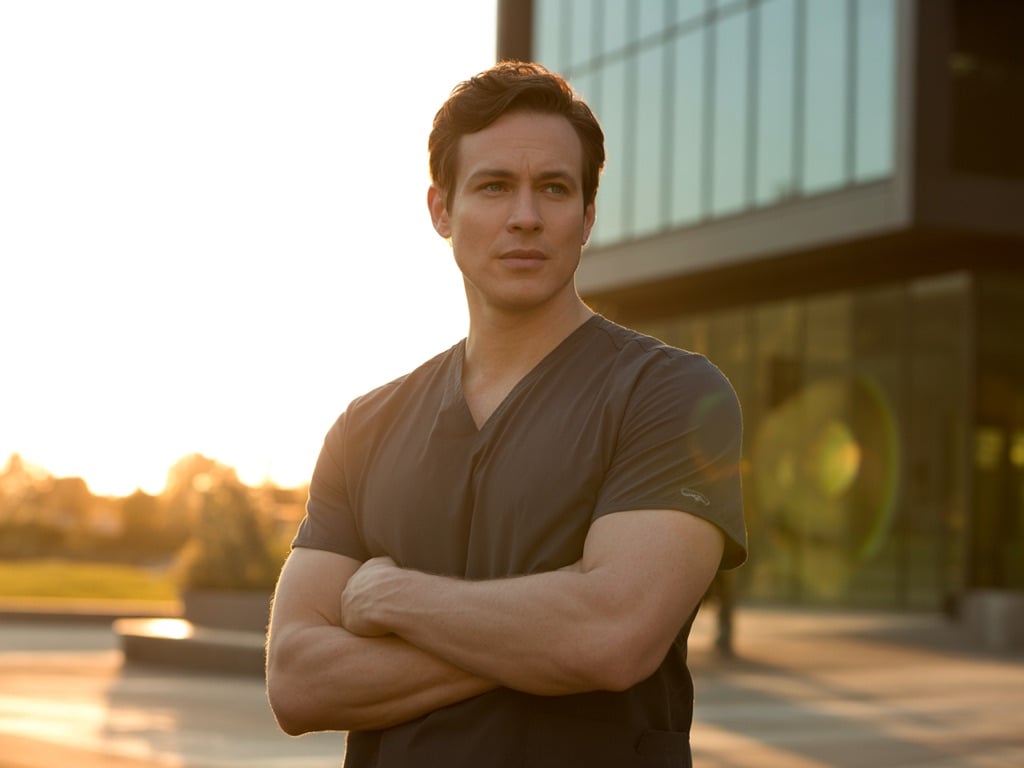
Board-certified physicians and nurse practitioners who prescribe these protocols in their own practices. Open any bio. These are names your prescribers already know.
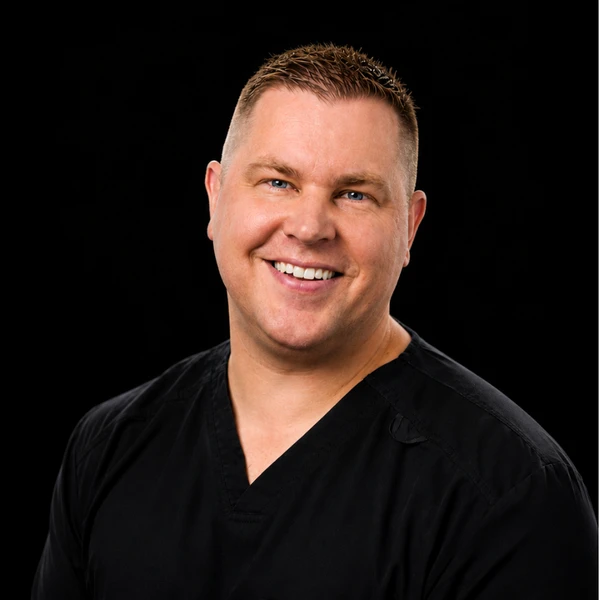
Dr. Joseph B. Beavers, MD
- Board-Certified, Family Medicine
- Residency, Mayo Clinic — Rochester
- 20+ Years in Clinical Practice
Dr. Beavers is the senior instructor of Empire's multi-part peptide video curriculum — the detailed, module-by-module foundation that anchors the PPC certification program. He earned his medical degree at Ross University School of Medicine and completed his Family Medicine residency at the Mayo Clinic in Rochester, Minnesota.
Before medicine, he trained at the United States Air Force Academy and the University of Florida, where he earned both a BS and an MS in Applied Physiology — a background that still shapes how he teaches peptide science: physiology first, protocols second. He brings more than 20 years of clinical experience to the program. Full faculty profile →
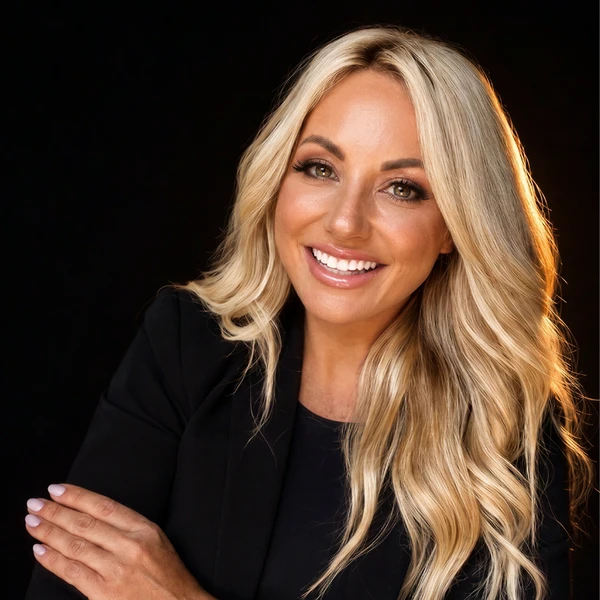
Dr. Valerie F. Civelli, MD
- Board-Certified, Family Medicine (ABFM)
- Board-Certified, Functional & Regenerative Medicine (ABAARM)
- Chief Resident, UCLA-Affiliated Residency
Dr. Civelli is double board-certified — in Family Medicine through the American Board of Family Medicine, and in Functional & Regenerative Medicine through ABAARM. She earned her MD at Windsor University School of Medicine and completed her Family Medicine residency at UCLA-affiliated Rio Bravo, where she served as Chief Resident.
Her research on chronic disease and innovative therapies has been published in peer-reviewed journals including Oxford University Press and the Journal of Investigative Medicine. She has served on multiple executive health and community boards, and her honors include being twice named "Outstanding Physician of the Year" and receiving the Hans Einstein Award. A physician, educator, and researcher, she bridges conventional medical rigor and innovation — with a mission to educate and empower clinicians through personalized, scientifically sound care.
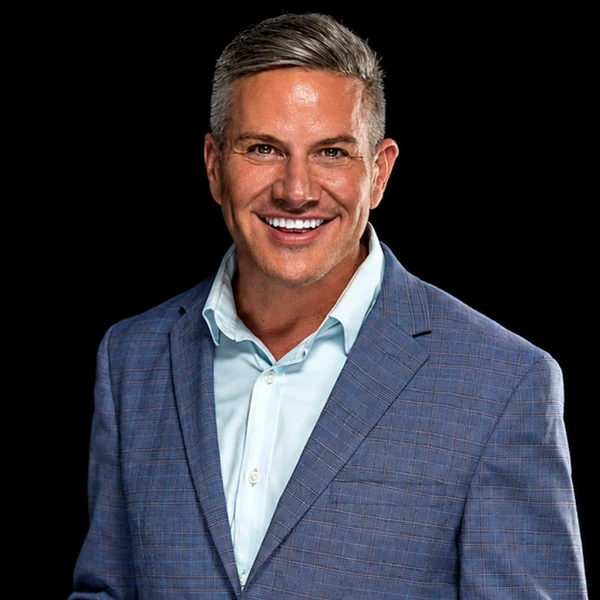
Dr. Chris Croley, MD
- Board-Certified, Anesthesiology
- Board-Certified, Critical Care Medicine
- 20+ Years of Clinical Experience
As Chief Medical Officer of Empire Medical Training, Dr. Croley oversees the medical standards behind every Empire program — including this certification. He is board-certified in Anesthesiology and Critical Care Medicine, trained at Rush and Northwestern, with more than 20 years of clinical experience.
His role in the certification program is the standard itself: ensuring the curriculum, assessments, and clinical protocols meet the bar Empire has held its training to since 1998. Full faculty profile →
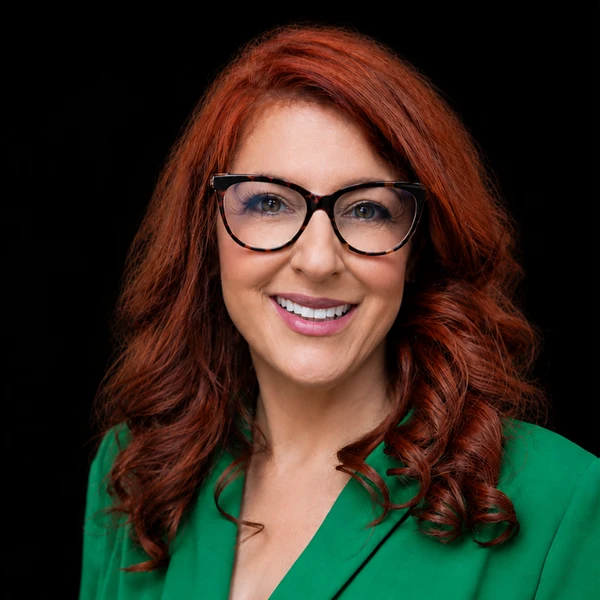
Dr. Betsy Greenleaf, DO
- Board-Certified, Obstetrics & Gynecology
- Board-Certified, Urogynecology
- Two Decades in Women’s Health
Dr. Greenleaf is Empire’s Director of Anti-Aging and the first board-certified female urogynecologist in the United States. She teaches Empire’s hormone pellet therapy and medical weight loss programs — the two areas where clinicians most often meet peptides first.
That work maps directly onto this curriculum: the metabolic and weight-management module, the hormone–peptide interface, and the longevity protocols where hormones and peptides have to be coordinated rather than stacked blindly. Full faculty profile →

Dr. Stephen Cosentino, DO
- Board-Certified, Family Medicine
- Founder of Empire Medical Training, 1998
- 22+ Years in Aesthetic Medicine
Dr. Cosentino founded Empire Medical Training in 1998 and remains actively involved in this program: he created a good portion of its content and curriculum and maintains hands-on clinical oversight of what it teaches. He earned his Doctor of Osteopathic Medicine at Nova Southeastern University and completed his Family Practice residency at Mt. Sinai in New York.
Every Empire credential carries his standard, and this one is no exception: he signs off on what the program claims, what it assesses, and what a graduate is entitled to say they can do. Full faculty profile →

Dr. Faride Ramos, MD
- Board-Certified, Internal Medicine
- Board-Certified, Functional Medicine (ABAARM, FAAMFM)
- Gut Health, Microbiome & Integrative Medicine
Dr. Ramos is double board-certified in Internal Medicine and Functional Medicine. She practiced internal medicine for several years after medical school before earning her functional medicine board certification, and today leads her own functional and integrative medicine clinic in South Florida.
Her work bridges conventional internal medicine with a root-cause, functional approach — the same framework she brings to Empire's curriculum, where she teaches the Functional Gut Health course and serves as medical reviewer for Empire's gut health and functional medicine guides. Full faculty profile →
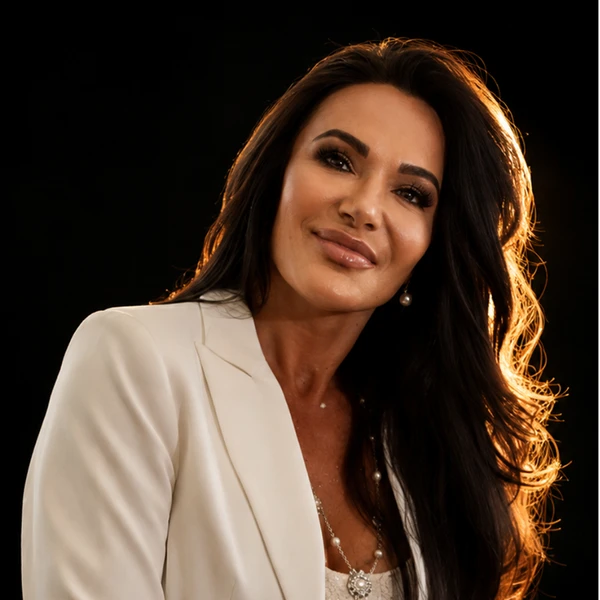
Susan Omar, NP
- Nurse Practitioner, 7+ Years in Practice
- Advanced Training in Anti-Aging & Regenerative Medicine
- U.S. Army Veteran — 8 Years of Service
Susan Omar is a nurse practitioner with more than seven years of experience specializing in aesthetic and regenerative medicine, with advanced training across anti-aging, aesthetic and regenerative medicine, sexual health and wellness, and interventional pain management.
She serves as an educator for Empire Medical Training, where she trains and mentors other providers in advanced medical aesthetics, and practices at ELIVATE. She is a U.S. Army veteran with eight years of service.
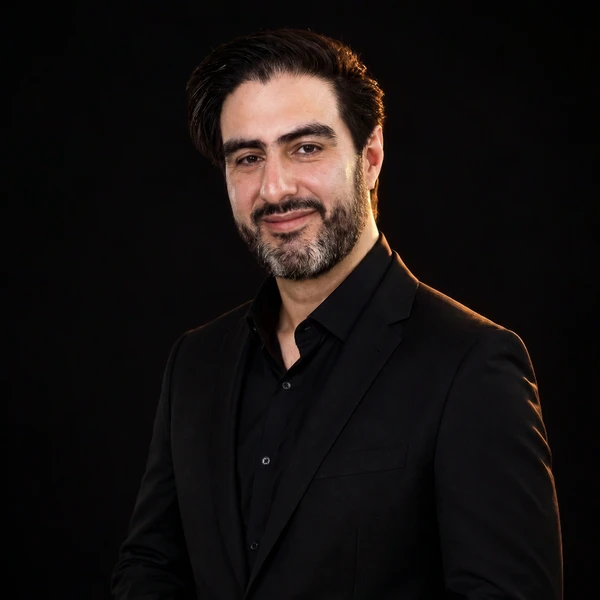
Dr. Francisco Hernández Gómez Crespo, MD
- MD, MBA — Aesthetic & Regenerative Medicine
- Cadaver Anatomy & Ultrasound for Fillers, Universidad de Alcalá de Henares
- Research in Biostimulation & Biomimetic Peptides
Dr. Hernández is an aesthetic and regenerative medicine physician practicing in Mexico, where he founded Veyrith | Advanced Regenerative Aesthetics. His clinical work centers on advanced facial harmonization, rhinomodeling and non-surgical facial lifting, and he has developed his own protocols in facial harmonization and biorevitalization.
His research interests sit squarely in this program’s territory: biostimulation and biomimetic peptides for evidence-based skin regeneration, alongside hyaluronic acid and growth-factor approaches. He completed cadaver anatomy and ultrasound training for filler materials at the Faculty of Medicine, Universidad de Alcalá de Henares, and speaks regularly at national and international aesthetic medicine congresses.
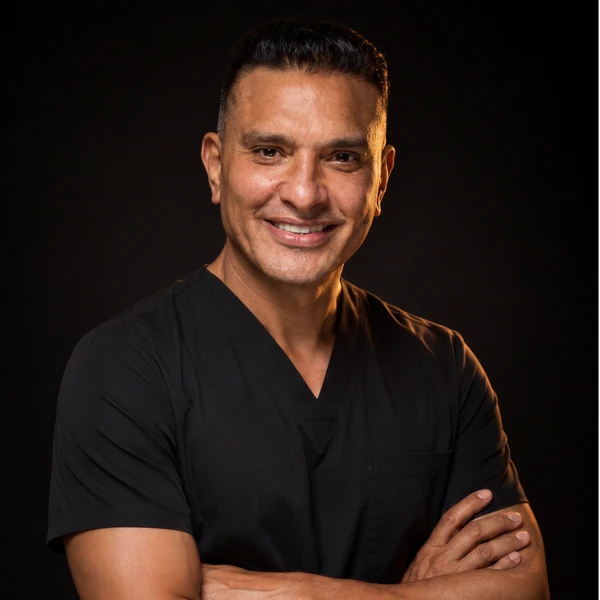
Dr. Gamil Makar, MD
- Board-Certified, Family Medicine
- Board-Certified, Aesthetic Medicine
- In Practice Since 2009
Dr. Makar is board certified in Family Medicine along with several additional boards including Aesthetic Medicine. He entered the aesthetic field in 2009 — initially including liposuction and fat transfer — and has focused exclusively on non-invasive aesthetics since 2019.
He currently practices out of two offices in Clifton and Paterson, New Jersey. Full faculty profile →
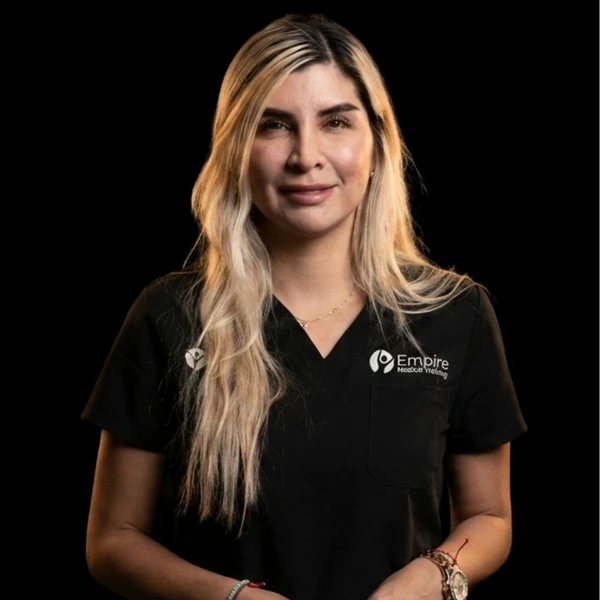
Dra. Julieth Martínez Ocampo
- International Master’s in Aesthetic Medicine, College of Catalonia
- Master’s in Aesthetic Medicine, Nutrition & Clinic Management (CTO)
- Permanent Lecturer, ACICME Colombia
Dra. Martínez Ocampo is an aesthetic physician with extensive academic and clinical experience across aesthetic medicine, nutrition, and clinic management. She holds an International Master’s Degree in Aesthetic Medicine from the College of Catalonia and a Master’s from CTO and the Colombian Medical Federation, plus a Diploma in Epidemiology from Universidad del Rosario.
She is a permanent lecturer at the annual courses of the Colombian Scientific Association of Aesthetic Medicine (ACICME), and her practice emphasizes research and clinical study alongside patient care. Full faculty profile →
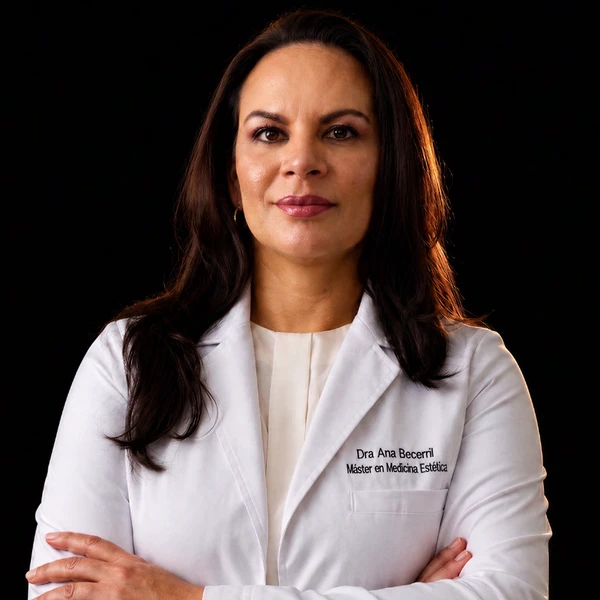
Dr. Ana Cecilia Becerril
- Master’s in Aesthetic Medicine, UIB — Palma de Mallorca
- Master’s in Aesthetic & Longevity Medicine, Mexico
- President, Asociación de Medicina Estética, Longevidad y Cosmética Clínica
Dr. Becerril holds a Medical Degree from the Universidad del Estado de Morelos, Mexico, a Master’s in Aesthetic Medicine from UIB in Palma de Mallorca, Spain, and a Master’s in Aesthetic and Longevity Medicine in Mexico.
She serves as President of the Asociación de Medicina Estética, Longevidad y Cosmética Clínica and Academic Director of its Advanced Diploma Program. A certified member of AMWC and the Sociedad Española de Medicina Estética, she is also a certified instructor with the Sociedad Médica Mexicana de Terapia Celular. Full faculty profile →
Clinicians who trained with Empire
4.9★ Average Rating · 200,000+ Graduates · 300+ Verified ReviewsPhysicians, nurses and PAs on what changed in their practice — and their revenue — after training with us.
A Nurse’s Journey from Challenges to Triumph
Maritza Mejia
From Urology to Aesthetics: Artistic Evolution
Dr. Lanna Cheuk
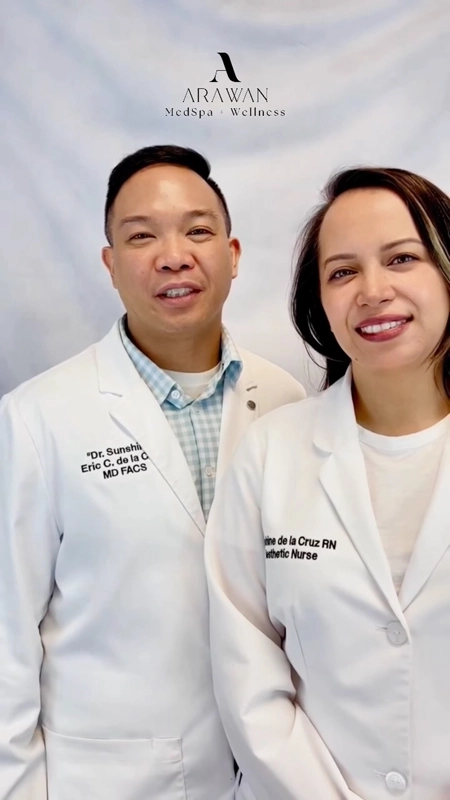
Partnering for Success: The Dynamic Journey of a Power Couple
Eric and Sunshine De La Cruz

Empowering Success: The Inspiring Journey of a Physician Assistant
Rupert Evans
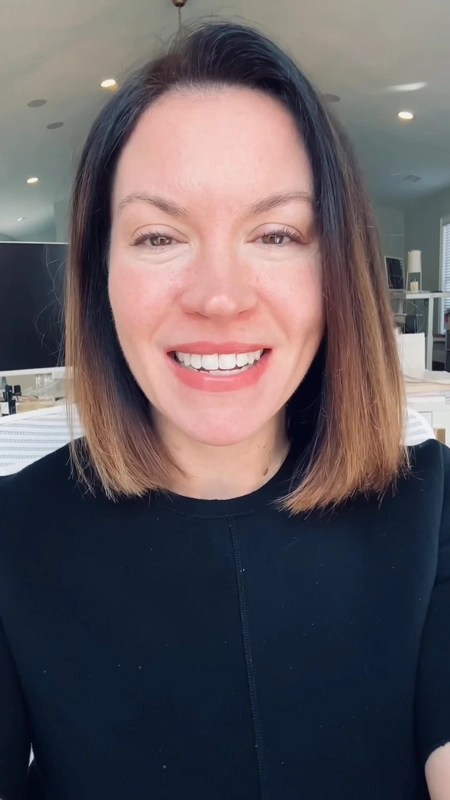
Pioneering the Path from Doctor to Founder, CEO, CCO & Practice Owner
Sarah L. Allen, MD
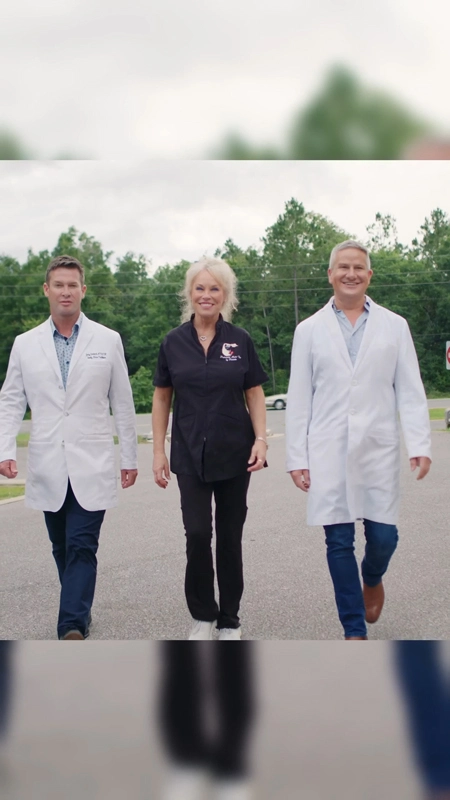
Journey from Practitioners to Practice Owners
Chris Croley & Jerry Dwain

Remarkable Journey from Student to Key Opinion Leader
Dr. TJ Tsay
Peptide compounding, answered
The questions pharmacies and their prescribers ask most. All of this is covered properly inside the program.
What is peptide compounding?
Preparing a peptide therapy for a specific patient, to a specific concentration, against a valid prescription — rather than dispensing a manufactured, FDA-approved finished product. In practice it covers sourcing the active ingredient, verifying its quality, reconstitution and dosing, sterility and stability, storage, and the documentation behind all of it.
Can compounding pharmacies make peptides?
It depends on the individual peptide and on your facility. Whether a substance may be compounded turns on its regulatory standing — including the FDA bulk drug substance lists — and on whether you are operating as a 503A pharmacy or a 503B outsourcing facility. Those positions have changed more than once in recent years, which is why the program teaches you to check current status per agent instead of memorising a list.
Are compounded peptides FDA approved?
No. Compounded preparations are not FDA-approved products, and that is true of compounded medications generally, not peptides specifically. What matters is whether the substance may lawfully be compounded, under which framework, and how the decision is documented. Module 2 and Module 12 deal with exactly this.
How do you verify a peptide Certificate of Analysis?
You check that the COA matches the lot in front of you, that identity and purity were tested by a method appropriate to a peptide, and that the testing laboratory is independent of the seller. The program covers COA review alongside supplier qualification, because a COA is only as good as the supplier and the method behind it.
Do compounded peptides need a prescription?
Yes. A 503A preparation is made for an identified patient against a valid prescription from a licensed prescriber. Establishing and documenting medical necessity is part of that record, and it is taught in the healthcare-law module.
Do I need prior peptide experience to enroll?
No. The curriculum starts at peptide foundations — signaling, pharmacokinetics and sourcing — and builds from there. Pharmacists already dispensing compounded peptides tend to use it to formalize what they picked up on the job.
Where are the in-person workshops held?
Across multiple cities and dates through the year. If nothing falls near you, both workshops also run by livestream with live Q and A at the same price, so location is not a barrier to certifying.
Can I certify more than one pharmacist at a time?
Yes, and it costs less per seat. Empire discounts group enrollments at 10 percent for four to nine seats and 15 percent for ten or more. Group rates are arranged by phone rather than through the online checkout, so the seats can be matched to the right program and workshop dates for your team.
Is this a state board of pharmacy credential?
No, and we will not imply otherwise. It is a professional certification issued by Empire Medical Training. It does not alter your license, your scope of practice or what your state board permits you to compound. What it gives you is the clinical, regulatory and business education behind peptide therapy, plus a credential you can show prescribers and patients.
Is there a peptide certification for pharmacists?
Pharmacists take the same Peptide Practitioner Certification and Master Peptide Practitioner Certification as physicians, NPs and PAs — there is no separate pharmacy-only credential. Physicians on the program earn 40 AMA PRA Category 1 Credits™. Continuing-education designation for pharmacists is being finalized with our accreditor and will be published when it exists.
Clinicians book because someone answered their questions first. Ask yours.
Everything is published before you buy
This costs real money. Here is everything you can check before you spend it, and the one thing we will not claim.
Nothing is hidden
All 12 modules, 56 lessons and 336 topics are published, and the 128-agent formulary is free to browse. Read the whole syllabus before you enroll.
The credential is for life
No expiration and no re-examination. Optional Annual Recertification at $249 adds new educational content (on-demand video, resources and virtual training) and proficiency testing each year as agents and regulations move.
Earned, not attended
A knowledge-based quiz after every lesson you must pass in the Empire Portal. The MPPC adds five documented patient cases reviewed by faculty and a 50-question final exam.
Attend how you like
Both live workshops run in person or by livestream with live Q&A — same content, same price. Your online lessons unlock the day you enroll.
No membership required
You can enroll and certify without buying an Empire academy membership. The tuition on this page is the whole price of the credential.
Split the cost
Both programs can be paid monthly through Affirm, subject to eligibility and approval. Start now, pay over time.
A course already proven
More than 2,100 clinicians have already taken the Peptide Therapy Master Course that both programs are built on.
What we will not claim
Pharmacist CE designation is still being finalized with our accreditor. We will publish it when it exists and not before — call and ask us where it stands.
You have seen the curriculum, the faculty and the price. Pre-enroll in the master certification and save $500 before it launches December 1.
What you earn
- The PPC or MPPC certification itself — yours for life, earned by assessment rather than attendance
- A Certificate of Achievement for each of the two live workshops
- Physicians on the program earn 40 AMA PRA Category 1 Credits™. Continuing-education designation for pharmacists is being finalized with our accreditor and will be published before it applies — we will not claim it until it exists.
Community, clinical, consultant, compounding, or pharmacy owner. Same program, same credential.
Understand the peptide, the patient, the prescription and the regulation.
Call and we will tell you which program fits your pharmacy and when the next dates are. No obligation.