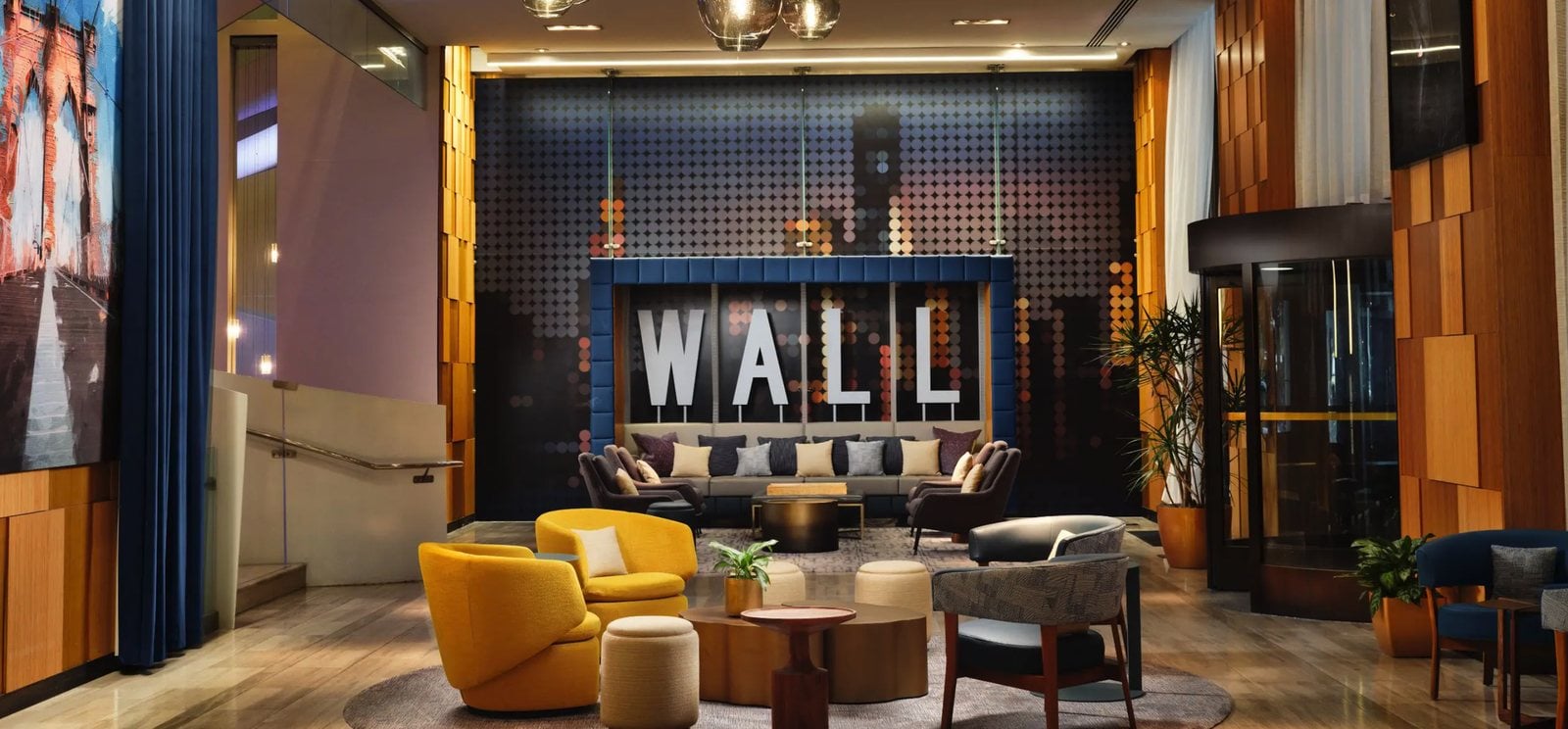
Friday, December 4, 2026 · 10:00 AM · Hyatt Centric Wall Street, NYC
El simposio de péptidos
Walk in on Friday with questions about peptides. Walk out knowing what you can prescribe, what you can say to a patient, what to charge, and how to keep it legal — so the next patient who asks is one you keep instead of refer.
Seat$999 $399, or free with the Member seat Early-bird ends Oct 31
Your Patients Are Already Asking About GLP-1s and Peptides. Most Practices Send Them Elsewhere.
Semaglutide. Tirzepatide. BPC-157. NAD+. Patients are walking into aesthetic and primary-care practices asking about compounds by name — and walking back out to a med spa down the road, because their own clinician has no answer for them.
That is the gap this room exists to close. Peptide therapy is the rare service line you can open for patients who are already in your chair, in a field where demand arrived faster than the training did.
Six speakers spend the day on the questions that actually stand between you and offering it: what is legal to prescribe today, what the evidence will support in front of a patient, where to source without risking your license, and how to position the service so the right patients ask for it.
This is not a hands-on injection course. It is six clinicians who prescribe peptides every week, laying out what is working and taking your questions — Friday, December 4, 2026, in person in Manhattan, the day after The Art of the Face Event. Free with the Member seat, or $399 on its own.
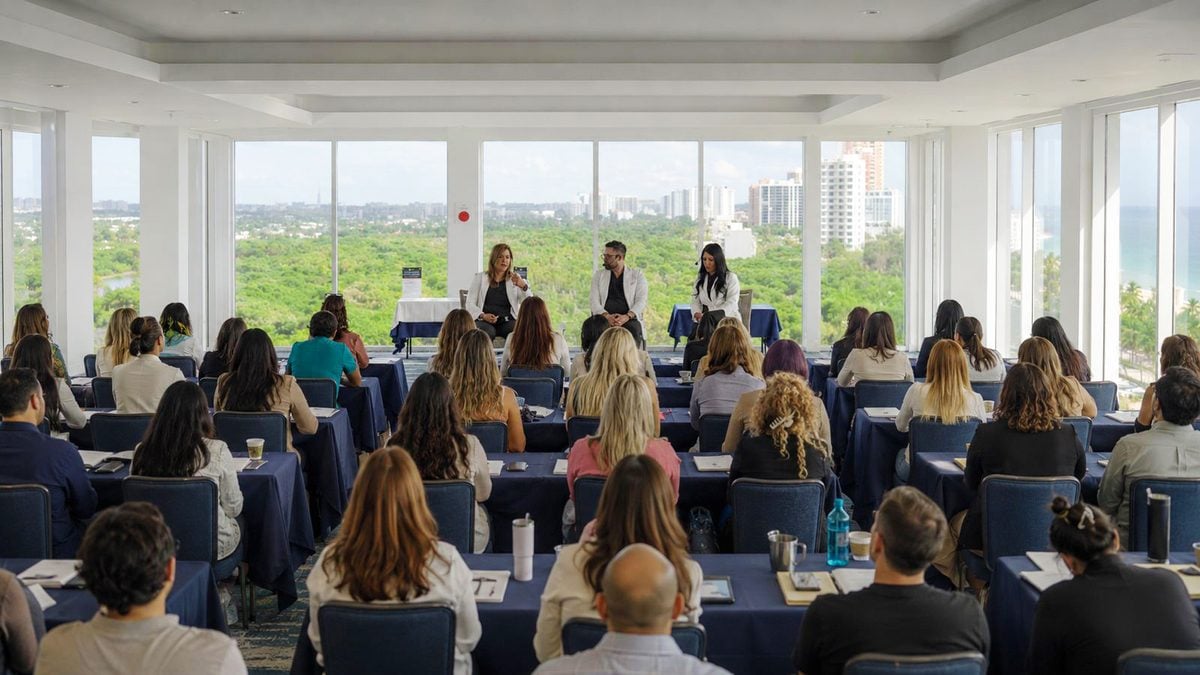
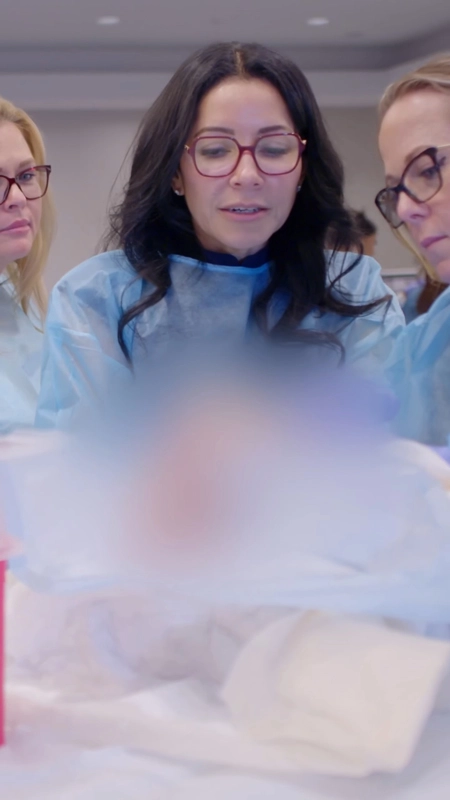
Empire faculty in session — the format the Symposium runs on: presentation, then the room.
Six Questions About Prescribing Peptides. Six People Who Can Answer Them.
These are the questions clinicians ask most about peptides. Each one has someone in the room whose job is to answer it.
“Is this a real service line, or a fad I’ll regret building around?”
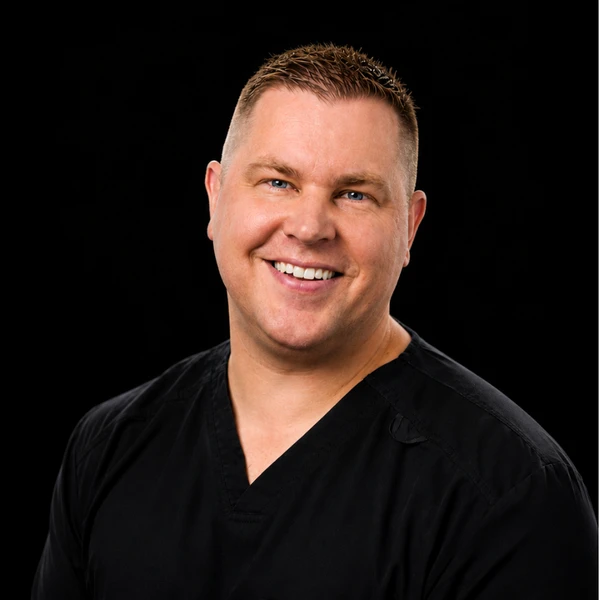
Dr. Stephen Cosentino, DO
“My male patients ask for testosterone. What else should I be looking at?”
Dr. Joseph B. Beavers, MD
“Who is actually a candidate, and how do I document medical necessity?”
Dr. Valerie F. Civelli, MD
“A patient read about BPC-157 online. What can I honestly tell them?”
Dr. Chris Croley, MD
“Should I be treating the patient’s biology before I treat the face?”
Francisco Hernández, MD
“What can I legally prescribe, advertise and charge for right now?”
A Healthcare Law Firm
Five Physicians and a Healthcare Law Firm, on Peptides You Can Legally Prescribe
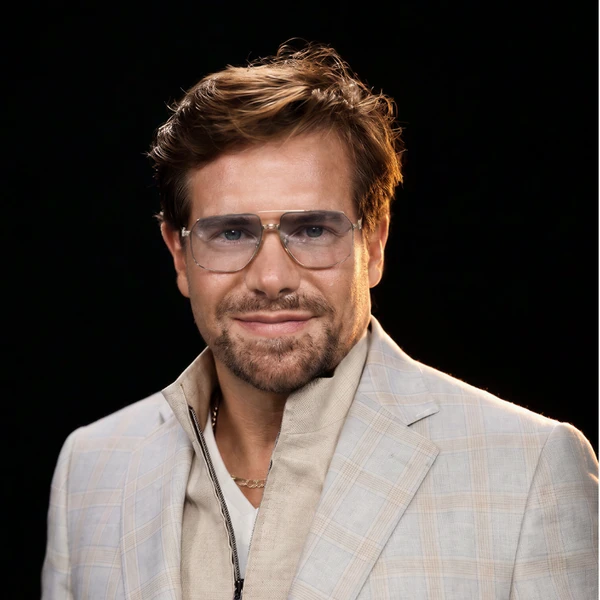
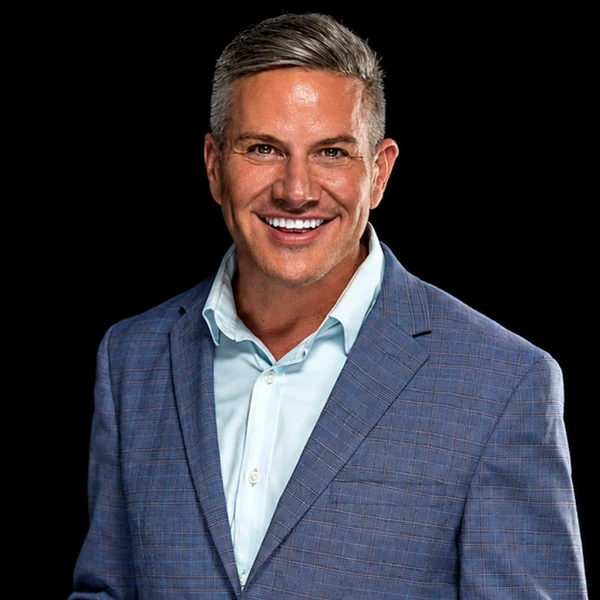
Five Empire faculty who prescribe and teach peptide medicine, and a healthcare law firm on the legal and regulatory side. Tap any face to read their background.
The Part Nobody Says Out Loud
Someone Near You Already Offers Peptides.
Not a hospital system. A med spa with a nurse injector and a compounding account, taking the patient who asked you first. Peptide therapy did not wait for the profession to agree on it — it went where the demand was.
The clinicians who moved early are not smarter. They are just further along the same learning curve you would start on Friday.
The Day, Hour by Hour
Four presentations, two moderated panels and an open floor to close. The topics are below.
Morning
The day opens
10:00 – 10:15
Welcome
Opening remarks and how the day runs.
10:15 – 11:00
Presentation
The Transformation Four
Dr. Valerie F. Civelli, MD
11:00 – 11:45
Panel
Cómo cerrar la brecha entre la estética y los péptidos
11:45 – 12:00
Vendor Presentation
Midday
Break for lunch
12:00 – 1:00
Almuerzo
Afternoon
The clinical core of the day
1:00 – 1:45
Presentation
Peptide-Primed Aesthetics: Treat the Biology Before the Procedure
Francisco Hernández, MD
1:45 – 2:30
Presentation
Run a Peptide Practice That Holds Up
Presented by a healthcare law firm
2:30 – 2:45
Receso
2:45 – 3:30
Presentation
Low T, High Stakes
Dr. Joseph B. Beavers, MD
Closing
Discussion and open floor
3:30 – 4:15
Panel
Salud masculina y péptidos
4:15 – 4:30
Vendor Presentation
4:30 – 5:00
Q&A
Open floor with the full faculty.
Presenting order is confirmed closer to the date.
The Topics
Four presentations across the day. Dr. Cosentino and Dr. Croley join as panelists and for the closing open floor rather than presenting their own session.
Peptide-Primed Aesthetics: Treat the Biology Before the ProcedureFrancisco Hernández, MDIdentify the biological limitation before you choose the peptide or the procedure.
A five-step framework — Assess, Prime, Treat, Recover, Maintain — that starts treatment planning with the patient’s biology rather than the procedure on the menu.
Covers the metabolic and reparative factors that decide how well a patient responds: body composition, mitochondrial function, inflammatory balance and tissue repair capacity.
Applied to real scenarios — the GLP-1 patient with weight-loss-associated concerns, the patient preparing for an energy-based device, the patient with age-related skin quality — across microneedling, biostimulation, threads and surgery.
Peptides are discussed by biological target, with established indications kept clearly separate from what is still investigational.
The Transformation FourDr. Valerie F. Civelli, MDFour tools, four different biological bottlenecks, one honest evidence hierarchy.
An academic review of topical hormones, tirzepatide, tesamorelin and GHK-Cu — chosen because each targets something the others do not.
Hormones for endocrine signaling. Tirzepatide for appetite and metabolic regulation. Tesamorelin for visceral fat and GH biology. GHK-Cu for tissue remodeling.
Every claim is placed on a stated evidence level: established clinical outcomes, established only within a specific population, or still emerging and translational.
Closes on a four-lever model for matching the right intervention to the right biological problem.
Low T, High StakesDr. Joseph B. Beavers, MDFertility, fractures, function and the axis most prescribers skip.
How the male hypothalamic-pituitary-gonadal axis is regulated, and where common causes of low testosterone act on it.
The reversible contributors to low testosterone to identify before starting replacement therapy.
The benefits, risks and fertility effects of testosterone replacement.
Options that preserve the body’s own testosterone production, compared on their evidence and regulatory status.
Emerging peptide approaches to male hormonal and sexual health, evaluated.
⚖Run a Peptide Practice That Holds UpPresented by a healthcare law firmWhat a prescriber needs settled before the first patient.
Shifting FDA positions and what they mean for what you can legally prescribe today.
Corporate practice of medicine, medical-director duties and how ownership structure affects your exposure.
Malpractice coverage, informed consent and documentation that survives scrutiny.
Sourcing: 503A and 503B compounding, and vetting a pharmacy before you order.
Casos de éxito
Profesionales clínicos que se capacitaron con Empire
4.9★ Calificación promedio · Más de 200,000 graduados · Más de 300 reseñas verificadas
Médicos, enfermeras y PA cuentan qué cambió en su consulta — y en sus ingresos — después de capacitarse con nosotros.
El camino de una enfermera: de los desafíos al triunfo
Maritza Mejia
De la urología a la estética: una evolución artística
Dr. Lanna Cheuk
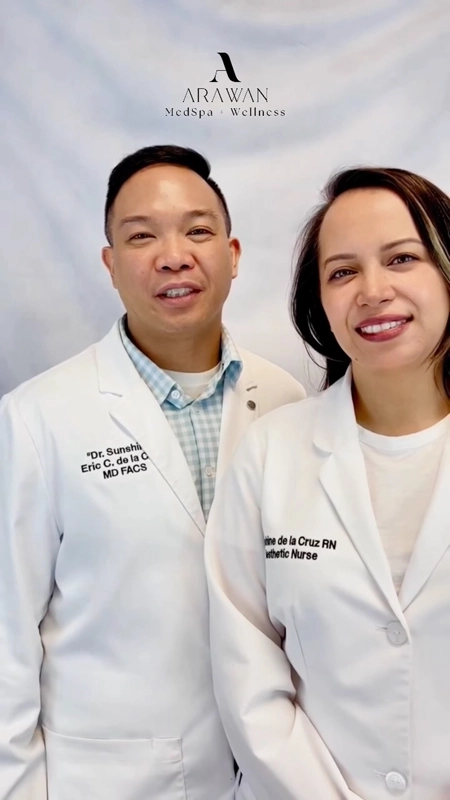
Aliados para el éxito: la dinámica trayectoria de una pareja profesional
Eric y Sunshine De La Cruz
Impulsar el éxito: la inspiradora trayectoria de un asistente médico (PA)
Rupert Evans
Abriendo camino: de médico a fundador, CEO, CCO y propietario de consulta
Sarah L. Allen, MD
De profesionales clínicos a propietarios de consultorio
Chris Croley & Jerry Dwain
Una trayectoria notable: de estudiante a líder de opinión clave
Dr. TJ Tsay
The Honest Question
Are Peptides Going Away? No.
GLP-1s carry phase 3 data in tens of thousands of patients and now sit in cardiovascular and obesity guidelines. The FDA’s compounding lists have moved twice in three years — that is a field being formalized, not one fading out.
Empire’s formulary runs to 128 named agents. That is not a trend list. It is a working pharmacopoeia, and it is still growing.
1.8 Million Peptide Searches a Month. None of Them Yours Yet.
In the United States alone, the five biggest peptide terms — tirzepatide, semaglutide, peptides, BPC-157 and sermorelin — are searched roughly 1.87 million times every month. This is not an emerging interest. It is one of the largest live conversations in medicine.
823,000“tirzepatide” · monthly US searches
368,000“semaglutide” · monthly US searches
201,000“BPC-157” · monthly US searches
~42,000“near me” peptide searches monthly
That last number is the one that should hold your attention. Roughly 42,000 times a month, someone in the United States searches for peptide therapy, semaglutide, tirzepatide or a peptide clinic near me. They are not researching. They are looking for a provider who is open.
And the market has already priced them. Advertisers pay up to $19.72 a click for “semaglutide near me” — per click, not per patient. That is what practices already offering this are willing to spend to reach the person who would have walked into your office.
semaglutide near me
tirzepatide near me
weight loss injections near me
hormone therapy near me
peptide clinic near me
peptide doctor near me
where to buy peptides
glp 1 near me
Search volumes and cost-per-click: Semrush, US database, August 2026.
$399 a Seat. Free If You Are a Member.
Seating is capped at 200. There are two ways in.
Early-bird pricing ends October 31. Prices go up on November 1 — the Member seat rises from $499 to $699. Book now to lock in today’s rate.
La inscripción anticipada termina el 31 de octubre14d 07h
All six presentations and every panel discussion
Open Q&A with all six speakers
Seats are transferable — send a colleague or staff member if your schedule turns
Empire Members
$999 Included free
The Symposium comes with the $499 Member seat for The Art of the Face Event — Empire’s thank-you to active Members. Any active Member as of the event date qualifies, and you can join before you RSVP.
Open to any licensed healthcare professional, whether or not you are coming to the evening event or hold an Empire membership. Same day, same six speakers.
Make It Two Days in New York
Add The Art of the Face Event for $299 more: the evening event on Thursday, December 3, then the Symposium on Friday, December 4.
Hyatt Centric Wall Street, Lower Manhattan — the same hotel hosting The Art of the Face Event the evening before, so one trip covers both. Rooms are available at a preferred attendee rate — see hotel & travel.
Before You Book
Does the Symposium carry CME credit?
No. The Symposium is an expert panel, not an accredited course — there is no CME attached to it. If you want accredited peptide training, that is the Peptide Therapy Certification, which carries 40 AMA PRA Category 1 Credits™.
What time does it start and finish?
The Symposium runs 10:00 AM to 5:00 PM on Friday, December 4, 2026, at the Hyatt Centric Wall Street. The full hour-by-hour running order is published on this page.
Do I have to attend The Art of the Face Event as well?
No. The evening event is Thursday, December 3 and is a separate ticket. Book the Symposium on its own for $399, or claim it free with the $499 Member seat if you are attending both.
Is this hands-on?
No. There are no injections and no live demonstrations. This is presentations and moderated discussion, with clinicians who already prescribe peptides answering what works and what does not.
I am not an Empire Member. Can I still come?
Yes. The $399 seat is open to any licensed healthcare professional. If you would rather join first, membership makes the Symposium free with the Member event seat.
How many seats are there?
200. The Symposium runs in one room at the Hyatt Centric Wall Street, and the capacity is the room’s — there is no overflow and no livestream. Members claiming their free seat count toward the same 200.
Can I send a member of my staff instead?
Yes — seats are transferable. Email [email protected] with the name change before the event.
After Friday
La certificación en terapia con péptidos de Empire
A day of answers is a start. This is the training that turns peptides into something you actually offer — and a credential that says so.
Every question the panel raises on Friday — who to treat, what to source, what to charge, what is legal — taught properly, assessed, and credentialed. It includes the business and marketing training and the healthcare-law education, because a peptide practice needs all three to survive.
The Symposium carries no CME. The certification carries 40.
Fundador, presidente y director médico, Empire Medical Training
Dr. Stephen Cosentino, DO
Certificación de la junta en medicina familiar
Fundador de Empire Medical Training, 1998
Más de 22 años en medicina estética
Dr. Cosentino founded Empire Medical Training in 1998 and still keeps daily, hands-on oversight of what it teaches. He earned his Doctor of Osteopathic Medicine at Nova Southeastern University and completed his Family Practice residency at Mt. Sinai in New York.
Every Empire credential carries his standard, and this one is no exception: he signs off on what the program claims, what it assesses, and what a graduate is entitled to say they can do.
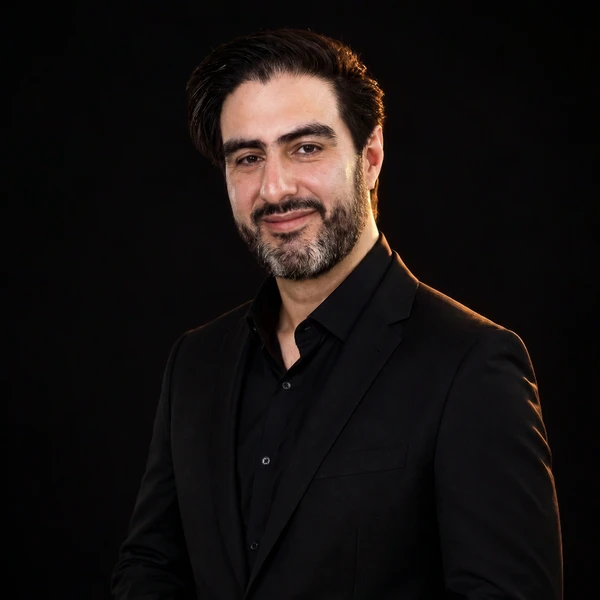
Dr. Beavers is the creator of Empire's multi-part peptide video curriculum — the detailed, module-by-module foundation that anchors the PPC certification program. He earned his medical degree at Ross University School of Medicine and completed his Family Medicine residency at the Mayo Clinic in Rochester, Minnesota.
Before medicine, he trained at the United States Air Force Academy and the University of Florida, where he earned both a BS and an MS in Applied Physiology — a background that still shapes how he teaches peptide science: physiology first, protocols second. He brings more than 20 years of clinical experience to the program.
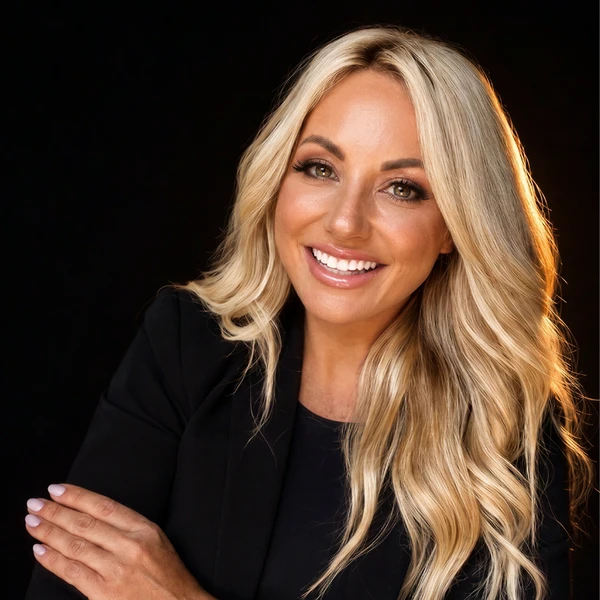
La Dra. Civelli cuenta con doble certificación de la junta — en medicina familiar por el American Board of Family Medicine y en medicina funcional y regenerativa por ABAARM. Obtuvo su título de médico (MD) en la Windsor University School of Medicine y completó su residencia en medicina familiar en Rio Bravo, programa afiliado a UCLA, donde fue jefa de residentes.
Sus investigaciones sobre enfermedades crónicas y terapias innovadoras se han publicado en revistas científicas arbitradas, incluidas Oxford University Press y el Journal of Investigative Medicine. Ha formado parte de varias juntas directivas de salud y comunitarias, y entre sus reconocimientos figuran haber sido nombrada en dos ocasiones "Médica Destacada del Año" y haber recibido el Hans Einstein Award. Médica, educadora e investigadora, combina el rigor médico convencional con la innovación — con la misión de educar y empoderar a los profesionales clínicos mediante una atención personalizada y con base científica.
Director médico, Empire Medical Training
Dr. Chris Croley, MD
Certificación de la junta en anestesiología
Certificación de la junta en medicina de cuidados intensivos
Más de 20 años de experiencia clínica
Como director médico de Empire Medical Training, el Dr. Croley supervisa los estándares médicos de cada programa de Empire — incluida esta certificación. Está certificado por la junta en anestesiología y medicina de cuidados intensivos, se formó en Rush y Northwestern, y cuenta con más de 20 años de experiencia clínica.
His role in the certification program is the standard itself: ensuring the curriculum, assessments, and clinical protocols meet the bar Empire has held its training to since 1998.
Cuerpo docente de medicina estética y regenerativa
Francisco Hernández Gómez Crespo, MD
MD, MBA — medicina estética y regenerativa
Anatomía en cadáveres y ecografía para rellenos, Universidad de Alcalá de Henares
Investigación en bioestimulación y péptidos biomiméticos
Dr. Hernández is an aesthetic and regenerative medicine physician practicing in Mexico, where he founded Veyrith | Advanced Regenerative Aesthetics. His clinical work centres on advanced facial harmonization, rhinomodeling and non-surgical facial lifting, and he has developed his own protocols in facial harmonization and biorevitalization.
His research sits squarely in this program’s territory: biostimulation and biomimetic peptides for evidence-based skin regeneration, alongside hyaluronic acid and growth-factor approaches. He speaks regularly at national and international aesthetic medicine congresses.
The next patient who asks you about semaglutide, BPC-157 or peptide therapy is coming either way. The only thing you control is whether you have an answer, a protocol and a price — or a referral to the practice down the road.